Sunday, May 10, 2026
Home Blog Page 912

Critical Race Theory bill hearing is Monday in Senate

By DAVID BOYLE

Alaskans have a chance to ensure their children are not indoctrinated in Critical Race Theory and Marxist ideology in Alaska’s public schools. Senate Bill 196, “An Act relating to transparency and compelled speech in public education,” would enable parents to know what their children are being taught. 

The next hearing on this bill is on April 4 at 9 am in the Senate Education Committee, chaired by Sen. Roger Holland. Those wishing to sign up to testify or provide written testimony to Senate can reach the committee at [email protected]. Provide specific instances of your child being taught that one race is superior to another, that one race is inherently racist, or instances of teachers teaching disrespect for America. 

The first part of the bill requires school districts/schools to post curriculum on their websites. This would ensure that curricula which addresses Critical Race Theory principles — principles that say some races are inherently racist or privileged — would be visible to parents and the community.

This is not a requirement to post any copyrighted teaching material, but to provide parents with the learning objectives and list the resources being used to teach their children. 

Parents have a need to know what their children are being taught. Knowing what children are being taught enables a parent to reinforce those principles and concepts at home. Posting the listed material being used in a classroom is far more important than posting what is being served for lunch.

Is the education system being used to indoctrinate our children in a woke culture? Should our public education system be teaching our children that they are inferior to others or a victim, or an oppressor simply because of the color of their skin?  Are Alaska’s children being taught about multiple genders and other sexualized content?

Do you believe it is the parent not the public education system that should teach children about these issues or should the schools focus on the basic ABCs of education, topics where the schools are currently failing the children?  

The second part of the bill deals with what is called “compelled speech.”  This deals with students not being required to participate in political activism or lobbying efforts.  

Some legislators will state that this is not and has not happened in the past. But this is happening and has happened in the past.

Gov. Bill Walker worked with the Anchorage School District in 2015 to get students to support his budget. He provided his budget information to the students in a very biased way. Here is the exact wording of instructions to the students for their assignment:

“Students have a homework assignment that requires them to take a survey home and spread the word. You may be able to identify some consensus upon which method may be best to solve our budget problems. They also get extra credit if they post on our blog their results.”

Students should learn about how our government works, the legislative process, and how a bill becomes law. But they should not be used to promote a political agenda anytime, anywhere. Under Gov. Bill Walker, students were political pawns, indoctrinating their own family members.

SB196 would also prohibit the education industry from using students to travel to Juneau to lobby for more money for that industry.

The bill would prevent students from being compelled to believe America is basically racist or sexist; or compelled to believe one is inherently racist because of the color of one’s skin.

Some legislators believe there is no need for this bill because none of the principles of Critical Race Theory is being taught in our schools.  But they are wrong. The Anchorage School District is in the process of hiring a new superintendent. As a part of that process the district provided a survey on its webpage that asked about values in a superintendent.  

One of these qualities is the dog whistle: “Is able to lead district diversity, equity, and inclusion efforts.”  This is a direct reference to Critical Race Theory and its tenets. It’s just stated in a way that makes it look benign.

The contract with the superintendent search firm has an entire page devoted to “Inclusion, Equity and Elimination of Institutional Racism.”  It says, “We will recognize systemic racism as an equity problem for children’s access to a fair, thorough and effective public education” It would appear these tenets of CRT are vital for the new superintendent selection.  

Read about the superintendent search criteria here. 

You can read more about the bill at this legislative link. 

According to the sponsor statement for the bill:

Transparency: A public school including charter schools shall display on school’s website, regularly updated, all training material used for teachers, instructional or curricular material, school procedures, title and author of materials, and any organizations associated with the material, a brief description and link to the material and identity of a teacher if they produced the material.

Prohibit Compelled Speech: The classroom may not be a venue for political activism, lobbying efforts. A student or teacher, administrator, or other employee must not be compelled to adhere to the belief or concept that the United States, the state, or individual is fundamentally or irredeemably racist or sexist, that an individual by virtue of sex, race ethnicity religion or color or national origin, an individual’s moral character is necessarily determined by their sex, race, ethnicity, religion color or national origin.

Enforcement: The Attorney General may commence civil action in the superior court to enjoin a state agency, school district’s governing body, charter school, or public school from violating transparency or compelled speech.

Nikki Haley is endorsing Sarah Palin for Congress, but Alaskan of the Year Perry Green is all-in on Nick Begich

Former South Carolina Gov. Nikki Haley has endorsed Sarah Palin for Congress for Alaska’s one seat, now vacant since the death of Congressman Don Young. Haley is the former U.S. ambassador to the United Nations who is interested in running for president in 2024.

Haley is returning the favor to Palin, who backed Haley in 2010 for governor. Palin’s endorsement rocketed Haley forward to the front of the pack, after she had been trailing in the polls in the gubernatorial race.

Back home in Alaska, Alaska legend Perry Green has now endorsed Nick Begich III for Congress. Green, who has endorsed Congressman Don Young for his entire career, was honored as Alaskan of the Week by Sen. Dan Sullivan in 2019.

Perry Green is world champion poker player, and founder of Green Furrier.

Green, a fur trader from Anchorage who has traveled the state to buy furs in villages and has rock-star status in rural Alaska, is also known as a world class poker player. He has played in the World Series of Poker in the 1970s, and has won several coveted bracelets, starting in 1976. His family business is David Green Master Furrier. He also has a long history of charitable giving and community service, always serving on boards of nonprofits and helping to raise funds for charities, especially those who serve military families.

Begich and Palin are two out of 50 people who, at this point, will appear on the special election primary ballot on June 11 to temporarily replace Congressman Don Young, and both will be vying for the regular primary on Aug. 16 for the two-year seat. The winner of the temporary seat serves until the winner of the regular seat is sworn in next January.

The election calendar:

April 4: Last day to withdraw as a candidate for the special primary election.

May 12: Voter registration cutoff for special primary.

May 20: Ballots mailed out to voters for special primary.

May 27: Absentee voting centers open across the state for special primary for in-person voters.

June 11: Election Day for special primary. Mail-in ballots must be have June 11 postmark on them to be accepted. Top four candidates proceed to the special general election.

June 25: Target date for certifying the special election.

Aug. 16: Special election regular election, concurrent with regular election primary for two-year seat.

Nov. 8: Election Day

Ballots never arrived at dozens of Anchorage homes

The complaints are founded: Some conservative-leaning voters in West and South Anchorage have still not received their ballots from the Municipal Clerk for the election that ends on April 5. Those ballots were supposed to be in the mail on March 15 from a post office in Washington State. They must be postmarked by April 5.

In the south Jewell Lake, Sand Lake, and Campbell Lake areas, a survey of homes on Saturday found that five of 28 households had not received ballots in neighborhoods south of Dimond Blvd. Two of those five people surveyed knew of two additional neighbors (not reached by surveyors because they were not home) for a total of seven known people not having received their ballots out of 28 surveyed.

This is the district where candidate Liz Vazquez and Kameron Perez-Verdia are vying for the District 3 Assembly seat. Perez-Verdia is the incumbent, and Vazquez is the conservative.

Dozens of midtown voters are also saying they haven’t received ballots. Volunteers have identified more than two dozen people so far who confirm they have not received a ballot.

Additionally, at least two voters who did not get ballots tried to vote at the Loussac Library and were given “questioned ballots” that had no candidates on them, only bond issues. The two reported the problem to election workers who then printed out new ballots for them.

Meanwhile, 16,750 ballots that were mailed from Washington state have not been deliverable to households. The return address for those ballots is not the Washington state post office from where they were mailed, but the post office at the Anchorage airport. Every day, election workers go to the airport post office and pick up bins of undeliverable ballots, averaging about 2,000 a day. The ballots have yellow sticky labels that say “return to sender.” Some have handwritten messages from the people living at the address, telling postal delivery workers that the addressee is no longer living there.

The ballots then go into a cage at the Anchorage Election Office at Ship Creek, and are wrapped in cellophane. No one knows whether those ballots contain the ones not being delivered to West, South, and Midtown Anchorage residents because no one takes another look at those ballots. Volunteer observers do not have access to them to see if they just have a transposed number or if there was another mistake.

What to do if you didn’t get a ballot? Those who do not have a ballot should go to the Loussac Library or City Hall and request one. But voters need to be aware that if workers give them a ballot that has nothing but the bonds on it, they should hand it back and request a ballot with their proper candidates on it.

Win Gruening: A poetic moment in Alaska history, with Don Young and Nick Begich III

By WIN GRUENING

“History doesn’t repeat itself but it often rhymes.” — Mark Twain

This quotation is usually attributed to Mark Twain although its origin is unsettled. It’s a twist on the more common adage “History repeats itself”, saying no two events are exactly the same but that patterns in history may still offer clues to the future.

The quote could not be more applicable as Alaska faces a mind-boggling political race for its lone U.S. House seat, now vacant due to the sudden death of Rep. Don Young. Young held the seat for almost five decades and was the longest serving member of the current Congress.

The story of Don Young’s advancement from state Legislature to Congress and his passing while flying from Washington, D.C., to campaign events in Southeast Alaska plays into an Alaska story that, while unique, is eerily familiar.

In Don Young’s first congressional race in 1972, his opponent was Nick Begich, a first-term incumbent who had won the seat two years prior by defeating Frank Murkowski. Twenty-two days before the election, Begich went missing when his plane was lost flying to a campaign event in Juneau. Neither the airplane nor its four occupants were ever found. Begich was elected posthumously but Don Young won the special election to fill the vacancy the following March – and later won the next 24 consecutive elections.

Don Young’s principal primary opponent in this year’s race was Nick Begich III, the grandson of the man who defeated Young in 1972. Nick Begich III, currently the leading Republican contender, will now compete in a special primary in June and a special general election in August to determine who will occupy the seat for the remainder of the term. Concurrently in August, the regular primary election will be held followed by a November general election to determine Don Young’s permanent successor.

While this set of events may seem extraordinary, there have been two other similar occurrences in recent Alaska political history.

In 1968, Mike Gravel defeated my grandfather, Ernest Gruening, in Alaska’s U.S. Senate Democratic primary race. Twelve years later, my brother, Clark Gruening, defeated Mike Gravel in the primary for the same seat. Newspaper headlines the next day read, “The grandson also rises”. Clark went on to lose the 1980 general election to Frank Murkowski.

Also in 1968, Ted Stevens lost his second bid for statewide office in the U.S. Senate Republican primary race but was subsequently appointed to Alaska’s other Senate seat when Sen. Bob Bartlett died. Stevens then won the special election in 1970, serving for almost 40 years as the longest-serving Republican senator in history at the time. After losing his 2008 senatorial race, Ted Stevens died in a plane crash in southwestern Alaska in 2010. The man who defeated him, Democrat Mark Begich, is the son of Nick Begich and the uncle of Nick Begich III.

While irony abounds in these electoral connections, some significant differences exist in this year’s race.

As of this writing, almost two dozen candidates [editor’s note: Now 50] are considering running in the special election to temporarily fill Alaska’s U.S. House seat. Prior to Young’s death, there were only a handful of candidates who had officially filed for the regular election.

The wrinkle is that newly implemented election procedures require that all races for congressional and statewide offices (including special elections) will have an open primary to determine the top four vote-getters regardless of party affiliation. Those four will advance to the general election where voters will rank them in order of preference under Alaska’s new ranked choice voting system. Therefore, voters will be casting four separate ballots for this race, with the special primary, due to timing and staffing issues, conducted by mail.

How this all plays out is anyone’s guess but it’s shaping up to be one of the most fascinating races in the country.

Right now, Nick Begich III, has a huge head start, more money, more endorsements, and more name recognition than any of his challengers. Furthermore, he has a strong conservative background (he co-chaired Don Young’s campaign in 2020) and, unlike many political players, has a solid record of entrepreneurial accomplishment.

If he prevails, history won’t just rhyme, it will wax poetic.

After retiring as the senior vice president in charge of business banking for Key Bank in Alaska, Win Gruening became a regular opinion page columnist for the Juneau Empire. He was born and raised in Juneau and graduated from the U.S. Air Force Academy in 1970. He is involved in various local and statewide organizations.

Don Young’s ashes brought home to Alaska, where he was memorialized in fitting fashion at the church he loved

Picture, if you will, Marine Corps Colonel and U.S. Sen. Dan Sullivan getting down on one knee and comically kissing the ring of the Dean of the House.

Or the story about how when, after years of work and frustration, the bill to open the 10-02 area of the Arctic National Wildlife Refuge to exploration and oil development was on President Donald Trump’s desk for his signature. Congressman Don Young attended the signing and turned to the president, who was barely into his first year in office, and said, “So YOU’RE the other Don in this town!”

Sen. Dan Sullivan eulogized Congressman Don Young at Anchorage Baptist Temple.

Those stories and more were shared by Sen. Sullivan and leaders who spoke at the Anchorage memorial for Congressman Young on Saturday.

Over 500 Alaskans attended the memorial at the Anchorage Baptist Temple, and listened to memories and eulogies by elected officials including Sen. Lisa Murkowski, Sen. Sullivan, Gov. Mike Dunleavy, Mayor Dave Bronson, Pastors Jerry Prevo, Ron Hoffman, and Glenn Clary, and family members, including Anne Young, the congressman’s widow. The political establishment of Alaska was present, as well as over 100 former staff members for Young, many of whom flew to Alaska for the memorial service.

Sen. Murkowski spoke first and warmly about her longtime friend in the House: “He’s a teacher. He’s a trapper. He’s a tugboat captain,” said Murkowski. “He’s just kind of a regular Alaskan guy, who somehow or other decades ago, 49 years ago, found his way to Washington, D.C.”

Then it was Sullivan’s turn. In addition to acting out how he would fake reverence for the longest serving Republican in the House by kissing his ring, Sullivan told the story of Rep. Nancy Pelosi commenting on one of Young’s bolo ties that featured, a salmon, a seal, and a walrus.

“Don I love your tie,” Pelosi said. “You’re turning into an environmentalist.”

“No, Nancy,” Young replied. He pointed at the carvings on the ivory and said, in classic Don Young style: “This is lunch.”

“Probably more than any member of the House, Don knew how to get things done. In D.C. there are talkers, and doers,” Sullivan said. “Show horses, and work horses. From Day One, Don was a doer, a workhorse, and man! Did that matter for all of us here in Alaska!”

The day after Young was sworn in in 1973, there was a hearing on the Trans Alaska Pipeline Authorization Act, Sullivan said. After being held up many years by environmental lawsuits, Young successfully pushed through his amendment to halt all the studies and the litigation and the lawsuits. It was a hard fight.

“Initially some on my own side were fighting against it,” Sullivan recalled Young saying. “But Don’s amendment prevailed.”

In remembering how much he means to Alaskans, “So many in the United States Congress felt the same,” said Sullivan. “And they did so because Don Young was such an integral part of this enduring American institution. Less than 50 Americans in our nation’s history have been afforded the honor of lying in state in our nation’s Capitol. And Don Young was one of them.”

Mayor Bronson gave wry-and-dry remarks about the late congressman. Young called him not long after Bronson took office. Bronson jokingly asked if Young was calling to give him advice about “turning on the fluoride,” in reference to a hot-topic item he was dealing with. Young just advised him to keep doing what he thought was right.

When Bronson announced to the audience that the city will rename the Port of Alaska the “Don Young Port of Alaska,” he was met with thunderous applause.

“He deserves that and his family deserves that. We’re going to get it done,” Bronson said.

Gov. Mike Dunleavy spoke and thanked everyone who had put together the memorial.

Gov. Mike Dunleavy made a point to thank all the people who had put together the memorials, both in Alaska and in Washington, D.C., and gave a shout-out to Alaska Airlines’ Vice President Marilyn Romano for ensuring that Young and his family could get to the nation’s capital, and then back to Anchorage, and that the congressman’s body could be on an honor flight to the Capitol, so he could lie in state. He also thanked Curtis Thayer, Chad Padgett, Daniel George, and others for working hard to bring the memorial together for Alaskans.

“Don and I had things in common. Don moved to the state, like a lot of us did. Lived in rural Alaska, like I did. Married somebody local, like I did, in rural Alaska. Daughters, like myself, and like Sen. Sullivan and his wife, Julie. Loved hunting. Don was a teacher. And so there’s things we could talk about,” Dunleavy said.

“Obviously the oosik is legendary and the knife is legendary, and the trap on the hand is legendary. There are so many legends you’d have to have a book,” Dunleavy said.

The congressman’s youngest daughter Dawn told a story that showed Don Young as a young dad. Once when she was in grade school and having a particularly rough time, she told her mother that she “wanted my daddy.” At the time, Congressman Young was in Alaska, meeting with constituents. The next day her father showed up at her school in the middle of the day; he had flown all night to be with her because she said he needed him.

Dr. Jerry Prevo spoke at the memorial of Congressman Don Young in Anchorage.

Pastor Jerry Prevo also spoke about the long friendship between him and Young that endured even after Prevo left Anchorage Baptist Temple to work at Liberty University. They would talk often. Prevo used his time at the microphone to do what he does best — remind people that if they want to see Don Young in heaven, the best way is to accept Jesus Christ as their savior, and he called out to the audience to sincerely embrace the Christian faith, if they were still on the fence about it.

Prevo donned the beaded bolo tie that Young gave him when he retired from Anchorage Baptist Temple two years ago.

No one was present at the memorial who remembered Young as a child or a young man. If he had been present, Young would have been one of the oldest in the building, having outlived so many of his contemporaries when he died at 88 years old on March 18.

A 21-gun salute and the presentation of the American flag to Anne Young, the congressman’s widow, finished the ceremony, which was followed by a reception. Some candidates for the congressional seat were at the event, including former Gov. Sarah Palin, Sen. Josh Revak, Nick Begich. Palin and Revak gave interviews to the media after the service in the foyer of the church.

Do Santa Claus or Sarah Palin have a shot at Congress?

With 50 people in the race for Alaska’s lone congressional seat, politicos are noodling through the shifting math problem for how many votes the candidates would probably need to emerge from the June 11 special election primary into in the final four for the special general election set for Aug. 16.

Alaska’s new voting system is made more complicated this year by the need to conduct a special election to temporarily replace Congressman Don Young, who died March 18, 2022. It’s the first time Alaskans have had a special election to replace a congressman since Young’s predecessor, Congressman Nick Begich, died in office in 1972.

The stampede to sign up at the Division of Elections ended at 5 pm on April 1, and among the hopefuls are a pair of former lawmakers: former State Rep. Andrew Halcro of Anchorage, and former State Sen. John Coghill of Fairbanks. There are a couple of sitting lawmakers as well: State Rep. Adam Wool of Fairbanks and State Sen. Josh Revak of Anchorage.

Most voters in Kasaan or Kaktovik won’t likely recognize those names when they receive their mail-in ballots from the Elections Division at the end of May.

But nearly all voters will know a few names on the list at the end of this story: former Gov. Sarah Palin, Nick Begich, Alan Gross, and … wait for it … Santa Claus.

Claus, who changed his birth name from Thomas Patrick O’Connor in 2005, is a no-party candidate who serves on the North Pole City Council. In an array of names that may not mean much to the average set-netter in Egegik or truck driver in Glennallen, Santa Claus could be where the hard-working, distracted, or tuned-out Alaskan voter makes his mark. For the primary, it’s a “pick one” choice. After all, how bad can a guy named Santa Claus be?

The timeframe is short for any of the candidates to build a loyal following, much less the political tribe needed to propel them to victory. Most are starting from scratch with no money and no volunteers, and if 50 remain on the ballot in June, (Jesse Sumner has dropped already) it’s almost a given that none who reach the final four ballot on Aug. 16 will do so with more than 22 percent of the vote.

The top contenders will be the ones who already have that political tribe — or some undeniable name recognition factor, someone like actor Chuck Norris or NASCAR driver Danica Patrick. Alaska has four with such name recognition who have signed up for the special primary election.

Here are four who have the political tribe or name recognition needed:

Alan Gross: He ran in 2020 against Sen. Dan Sullivan and raised over $9 million, much it from Outside Alaska. He had tens of millions spent on his behalf by Democrat political groups that thought they could unseat Sullivan. It was more money than had ever been seen in Alaska’s senatorial races. In the general election he received 146,068 votes, or 41 percent of the vote. Those voters are his political tribe now; he has their contact information and he knows how to reach them. He also has an experienced political team to fall back on with the Ship Creek Group. The Democratic Party backed Gross before and will probably back him again, even though he is a registered nonpartisan.

Gross has kept up a steady pace with his social media presence. He posts positive pictures of his family and their exciting and happy life. He just returned from Cambodia, where he was teaching surgery. He is not starting this race from zero, like he did in 2020 when he challenged Sullivan.

Sarah Palin: Palin is a money-raising machine on the national level. She has over 4 million followers on Facebook, and 207,000 followers on Instagram. As Alaska’s former governor, her social media score is higher than any other Alaskan. A low-propensity voter looking at 50 names on a ballot that arrived in the mailbox might seize on her name as the only one he or she knows.

In 2006, Palin won the governor’s race against Gov. Tony Knowles with over 114,000 votes, or 48 percent of all votes. At least some of those voters still live in the state, and a percentage of them still remember the hounding she endured from the Anchorage Daily News. Some would like to see her vanquish the media that hates her. A vote for Palin is a vote against mainstream media. Newcomers to the state might be attracted to her name due to her undeniable star factor, even if the political wizards of the state don’t think she has what it takes.

Palin is a communication expert and has kept her profile high since prematurely quitting as governor in 2009. She will have to overcome the reputation as “quitter,” because few will remember that, as described by a close associate, “Attacks inside Alaska and largely invisible to the national media had paralyzed her administration. She was fully aware she would be branded a ‘quitter.’ She did not want to disappoint her constituents, but she was no longer able to do the job she had been elected to do. Essentially, the taxpayers were paying for Sarah to go to work every day and defend herself.” It was death by a 1,000 public records requests by the mainstream media in 2009. (Wall Street Journal, July 8, 2009).

Palin is now embroiled in a lawsuit against the New York Times for defamation regarding their editorial characterization of her political action committee somehow fomenting a climate of political violence that led to a mass shooting in Arizona. She is appealing the Manhattan federal court’s ruling against her case. Now that the ink is dry on her divorce papers with Todd Palin, she has the bandwidth to launch a campaign. The political insiders in Alaska say she has been working with Corey Lewandowski, of Trumpworld. Lewandowski was the first campaign manager of Trump’s 2016 presidential campaign, and has been an analyst for One America News Network, Fox News and CNN. That could lead to an endorsement from Donald Trump, who has also endorsed Kelly Tshibaka against incumbent Sen. Lisa Murkowski.

Nick Begich: Begich is the grandson of Congressman Begich, who died in a plane crash in October of 1972, just before the election. Even then, Begich, after whom Nick III is named, won the election over Don Young. Young then won the special election in 1973. In a twist of fate, Young died on a plane on March 18, 2022. Nick III, a Republican in a family known for Democrats, has been in the race to replace him since October, and has a huge following, with over 100 influential endorsements, a list that seems to grow daily. An argument can be made that he has built enough of a following to make it to the final four in August.

Begich immediately contracted with Axiom Strategies, which has just come off of a win for Glenn Youngkin for the the governor’s race in Virginia, and before that, a successful Dave Bronson for mayor of Anchorage. Read about that in this Must Read Alaska story from 2021. Axiom is the largest Republican campaign firm in the nation. Its president, Jeff Roe, cut his teeth by helping a relatively unknown Hispanic win for U.S. Senate for Texas. That winner was Sen. Ted Cruz, who beat David Dewhurst in the Texas Senate Republican primary.

Santa Claus: The jolly elf who typically votes Democrat sits on the North Pole City Council. He has the requisite fluffy beard and bowl-full-of-jelly belly, and he’s got centuries of marketing behind his name, with no baggage to speak of. Claus really won’t have to do much to attract the voters who take one look at the ballot; some will vote under the influence of a whim or dram of whiskey. Others will be the “to heck with them all” voters who pick Claus as a protest of the whole confusing election process this year.

Claus is a happy liberal who once told Congressman Young that if he ever ran against him it would be “Santa vs. Pinocchio.” Claus isn’t in it for the full two-year term. He’s only interested in serving as a temporary congressman. After all, he’s 74 going on 75.

Claus is an independent, progressive, democratic socialist type, and shares many of U.S. Sen. Bernie Sanders’ positions. He was a Sanders alternate delegate to the National Democratic Nominating Convention. Sanders was very, very popular with Alaska Democrats in 2016, beating Hillary Clinton in a landslide at the Democratic caucuses. Clinton seemed to win the party nomination by hook or by crook that year, however, as evidenced in the WikiLeaks episode that showed party leaders colluded to cut out Sanders. That story is told in Must Read Alaska here.

Claus does not solicit or accept campaign contributions. His campaign will by by social media.

ALSO RANS

The runners up may be cringing at the thought of losing to Palin, Begich, Claus, and Gross, but only 70 days remain before the June 11 special election primary comes to a close. Anyone without the name recognition not coming with a massive campaign war chest to build that public profile and get out the vote is starting at a great disadvantage. To be clear, it’s almost an impossible disadvantage as Alaskans move into their busy summer season and are distracted by fish and home improvements.

The current elected officials who are running for the seat have a unique problem: Adam Wool and Josh Revak will not know until the third week of June if they have made the final four for the August 16 special general election. But they will have to come off of the regular primary ballot if they intend to move forward. Why? They cannot appear on the ballot in two spots — as a state candidate and as a congressional candidate.

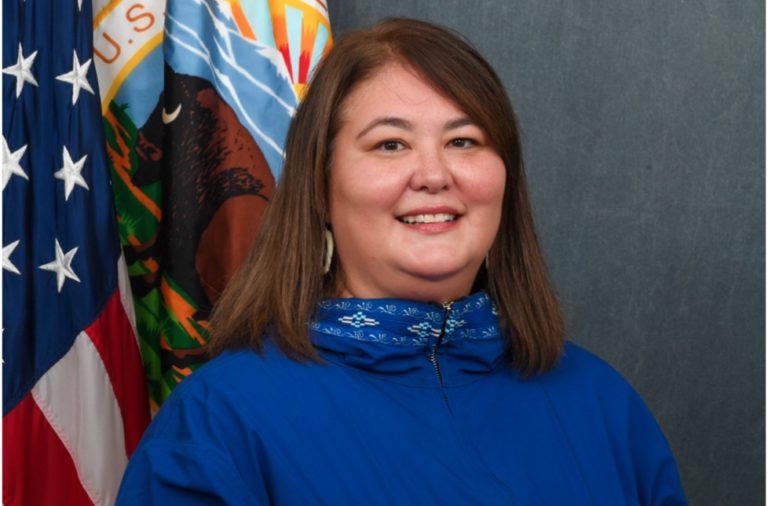
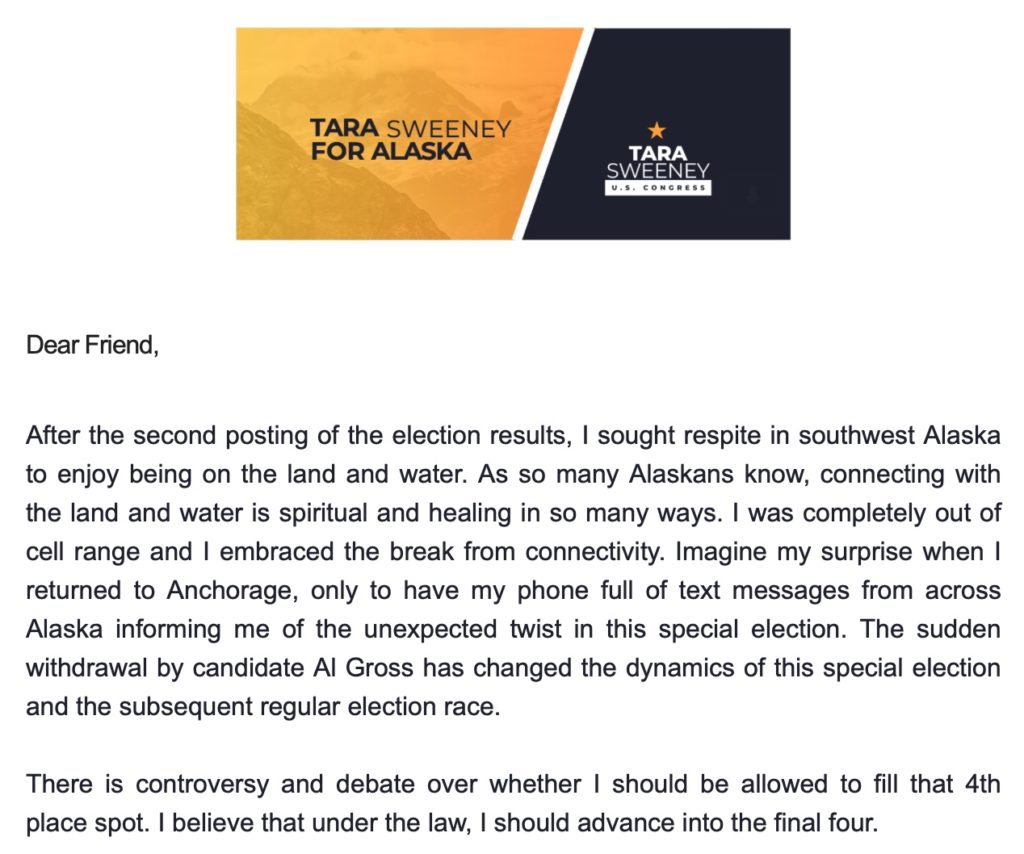
As for Tara Sweeney, a Native leader and political insider with the Sen. Lisa Murkowski and her strong network, she may have built a political tribe among influential Natives, Democrats, and Republicans over the years. Although the Native vote has been somewhat weak in the past, the thought of having an Alaska Native in Congress may invigorate the vote. Sweeney was appointed by President Donald Trump to lead the Bureau of Indian Affairs, a position she left when President Biden was sworn into office. Emil Notti, a Native elder, will peel off votes from some who recall that he ran against Don Young in 1973, and came close. But Sweeney takes votes from Revak; the two were the co-chairs for the Alaskans for Don Young campaign this year.

For the June 11 special primary, the candidates have until close of business Monday to withdraw. Ballots will be mailed to qualified voters no later than May 20. The target date for certification of the final four is June 25.

Another consideration: With so many on the ballot, the likelihood of someone asking for a recount is strong. That could delay the process in late June.

On Aug. 16, the final four will be in a ranked choice voting general election, which will take place at the same time the regular primary election is held in Alaska. Answers to questions about the entire process are here.

CURRENT FIELD FOR SPECIAL PRIMARY (Independent = nonpartisan or undeclared with a party):

Nick Begich (R)
Gregg Brelsford (Independent) 
Robert Brown (Independent) 
Chris Bye (L) 
John Callahan (R) 
Arlene Carle (Independent) 
Santa Claus (Independent) 
John B. Coghill (R) 
Christopher Constant (D) 
Breck Craig (Independent) 
Lady Donna Dutchess (Independent) 
Otto Florschutz (R) 
Laurel Foster (Independent) 
Thomas Gibbons (R) 
Karyn Griffin (Independent) 
Alan Gross (Independent) 
Andrew Halcro (Independent) 
Ted Heintz (L) 
William Hibler (Independent) 
John Howe (Alaskan Independence Party) 
David Hughes (Independent) 
Don Knight (Independent) 
Jeff Lowenfels (Independent) 
Robert Lyons (R) 
Anne Mccabe (Independent) 
Mikel Melander (R) 
Sherry Mettler (Independent) 
Mike Milligan (D) 
Richard Morris (Independent) 
J.R. Myers (L) 
Emil Notti (D) 
Robert Ornelas (American Independent Party) 
Sarah Palin (R) 
Silvio Pellegrini (Independent) 
Mary Peltola (D) 
Josh Revak (R) 
Jesse Sumner (R) – Withdrew April 1
Maxwell Sumner (R) 
Tara Sweeney (R) 
David Thistle (Independent) 
Ernest Thomas (D) 
Richard Trotter (R) 
Bradley Welter (R) 
Jason Williams (Independent) 
Jo Woodward (R) 
Adam Wool (D) 
Stephen Wright (R)

Alaska Airlines pilot pickets snarl travel in Northwest

Those traveling in and out of Alaska this weekend should prepare to bring their patience. Approximately 120 Alaska Airlines flights were canceled on Friday, affecting 15,300 passengers, and it looks like Saturday will also be as difficult for travelers in the Northwest, with over 77 flights by the Seattle-based airlines already canceled. Sunday cancellations for the main air carrier serving Alaska are beginning to build as well.

The customer service desk in the N Terminal in Seattle is crowded with customers trying to make alternate arrangements Saturday morning. About 11 percent of all of the Alaska Airlines Saturday flights were canceled as of 7 am on Saturday.

FlightAware’s live flight cancellation page is at this link.

The disruption is due to worker shortages as pilots picketed the airlines in locations around the west, including at Ted Stevens Anchorage International Airport. Three years of negotiations are, according to union reports, getting nowhere.

Pilots from other cities and other airlines came to Anchorage to participate in the picket, Must Read Alaska has learned, including pilots from Jet Blue. Other airports targeted included the Alaska Airlines bases of Portland, Seattle, San Francisco and Los Angeles, according to a news release from the Air Line Pilots Association, the union representing pilots.

“A new pilot contract remains a top priority for Alaska,” said Jenny Wetzel, vice president of labor relations for Alaska Airlines. “We’ve put a package on the table that’s competitive and addresses the issues most important to our pilots. It’s a significant financial investment in our pilot group while recognizing that we are still working to recover from $2.3 billion in losses from the COVID-19 pandemic. We are eager to conclude negotiations quickly so our pilots can enjoy these new benefits as soon as possible.”   

Among the highlights:  

  • Alaska is offering a top of scale wage of $280 per hour for captains and a market wage adjustment a year after the contract is ratified to keep pilots’ wages competitive with that of other airlines. An Alaska captain’s average salary is currently $341,000 per year. For first officers, the airlines has proposed a rate of $100 per hour, which would be the top rate in the nation. 
  • Any aircraft operated by Alaska Air Group that has more than 76 seats will be flown by Alaska’s seniority list pilots.  
  • The airlines has offered flexibility so pilots can set their schedules. Alaska Airlines pilots currently work 16 days a month on average.   

The two sides have been in negotiations since 2019, including through 2020, when air travel stalled, with planes grounded for months due to the Covid-19 pandemic.

A statement from the Alaska Airlines Master Executive Council of the Air Line Pilots Association was released at the launch of the system-wide picket.

“Alaska Airlines received a $2.3 billion bailout from American taxpayers during the pandemic to weather the economic downturn, retain its workforce, and be ready to take advantage of the recovery we are now experiencing. It has one of the strongest balance sheets with industry-leading profit margins and came out of the pandemic with less net debt than before it.

“Yet, despite all of this, Alaska Airlines failed to properly plan for increased travel demand and take the steps necessary to ensure it attracted and retained pilots. In fact, just this week, ALPA met with two corporate vice presidents who made clear that they have failed to adequately retain and staff up to meet a predictable return to flying.

“Now, they’re trying to distract the public from their mismanagement and blame the pilots who helped save their company. Pilot leaders have been warning for years that pilots will choose to fly for other airlines due to an inadequate contract that will only exacerbate existing staffing challenges.

“Hundreds of Alaska pilots will be exercising their lawful right to conduct nondisruptive informational picketing today in five cities around the country to highlight Alaska’s strong financial position and urge the company to get serious about concluding a contract. Alaska pilots are more than ready.”

It’s unclear exactly why flights were canceled and whether the picketing pilots had been scheduled to work those flights. Other pilots from other airlines participated on the picket line, indicating there was a type of “sick-out” under way.

One pilot for Alaska believes the pilots’ union is pushing too far and that wage inflation will have real consequences for the entire air travel sector. Read his opinion here:

Nick Begich all of a sudden in crowded race of competitors, signs Axiom campaign team, gets key endorsements

As the filing deadline ended for the special primary election to replace Congressman Don Young, Republican Nick Begich is racking up endorsements and resources. Begich said his phone was buzzing all day with calls from reporters and supporters. The total number on the special primary ballot is now 51 plus a write-in slot.

Another key Republican District came forward with a unanimous endorsement. District 29 Republicans, who reach from the Mat-Su Valley to Valdez, voted to “stick with Nick.” He already has endorsements from:

  • Associated Builders and Contractors, Alaska Chapter
  • Alaska Outdoor Council
  • Anchorage Young Republicans
  • Eagle River District 22 Republicans
  • Homer District 6 Republicans
  • Interior District 36 Republicans
  • Kenai Peninsula Republican Women of Alaska
  • Republican Women of Fairbanks

With over $1 million in campaign receipts at the end of the first quarter, Begich has brought in Axiom Strategies as general consultants.  Axiom recently elected Gov. Glenn Younkin in Virginia and won the Anchorage Mayor’s race for Mayor Dave Bronson and is the preeminent campaign consultancy in the nation for Republicans.

Nick has also been endorsed by numerous former and current elected officials:

  • Jesse Sumner – Matanuska-Susitna Borough Assembly Member 
  • Michael Welch – North Pole Mayor 
  • Glenda Ledford – Wasilla Mayor 
  • Charlie Pierce – Kenai Borough Mayor 
  • Mark Jensen – Petersburg Mayor 
  • Jubilee Underwood – Mat-Su School Board
  • Shelley Hughes – Senate Majority Leader 
  • Mike Cronk – State House Member
  • Dee McKee – Matanuska-Susitna Borough Assembly member
  • Jamie Allard – Anchorage Assembly member
  • Ken McCarty – State House member
  • Kevin McCabe – State House member
  • Rob Yundt – Matanuska-Susitna Borough Assembly member
  • Crystal Kennedy – Anchorage Assembly
  • Pamela Melin – Palmer Deputy Mayor
  • Teea Winger – Kenai Council member
  • Thomas Bergey – Mat-Su School Board
  • Roger Holland – State Senator
  • Tom McKay – State House member
  • Pete Kelly – Former Alaska State Senate President
  • Mike Prax – State House member
  • Ron Gillham – State House member
  • Jai Mahtani – Ketchikan City Council
  • Bill Elam – Kenai Borough Assembly member
  • Lynn Gattis – Former State House member
  • George McKee – Former Matanuska-Susitna Borough Assembly member
  • Mike Shower – State Senator
  • Richard Derkevorkian – Kenai Borough Assembly member
  • Clay Koplin – Cordova Mayor
  • Sarah Vance – State House member
  • Ben Carpenter – State House member
  • Josh Verhagen – Mayor of Nenana
  • Matthew Sampson – Fairbanks North Star Borough School District School Board
  • Jimi Cash – Fairbanks North Star Borough Assembly
  • Charisse Millett – Former Alaska House Majority Leader
  • Dan Kendall – Former Anchorage Assembly member

“Over the past five months, I have been traveling around the state, meeting Alaskans from all walks of life and listening to their concerns, hopes for the future, and often their frustrations with government,” Nick said. “Doing so has only strengthened my resolve to represent our great state and her people. With just one seat in the U.S. House, it is paramount that Alaska’s critical role in our nation’s resource, defense, and energy strategies be made clear and compelling. I would be honored to be that voice for Alaskans. With hard work, I believe Alaska’s best days are ahead of us.”

Turnout in Anchorage election is lackluster, and many registered Republicans have not received their ballots

Just 30,119 voters have turned in their ballots as of Thursday evening in the Anchorage Municipal election. The lowest voter is in downtown, where there are no candidates running for Assembly. The lowest turnout for contested races is in Eagle River (District 2), with just 4,300 having voted in an area that has 41,601 registered voters, or a 10.35 percent turnout in the most conservative part of the city.

Voters in Sand Lake and Campbell Lake area, in two heavily Republican precincts, are reporting to the Clerk’s Office that ballots have not been received, more than two weeks after the ballots were mailed, March 15. People in these precincts have also reported to election observers that they’ve not received ballots.

For each district, the turnout is:

Voters have until April 5 to get their ballots in.