A high school in New York City high school is not having classed on Wednesday, after being converted to a camp for illegal immigrants. Some 2,000 illegal immigrants have been bused in from a former air field field in Brooklyn to James Madison High School on Tuesday evening to get out of the cold.
A storm moving through the East Coast threatened the tents that were set up for the immigrants at Floyd Bennett Field.
James Madison High School announced Tuesday that students would be learning “remotely” on Wednesday “to ensure a smooth transition for families temporarily sheltering overnight in the building.” All after-school activities were canceled for students, although boys basketball, swimming, and table tennis teams were still scheduled.
The high school, which has been in existence for more than 100 years, is the alma mater of Sen. Chuck Schumer and three Supreme Court justices.
More than 150,000 illegal immigrants have arrived in the city in the past two years, wrote the New York Times in December: “Nearly 70,000 migrants crammed into hundreds of emergency shelters. People sleeping on floors, or huddled on sidewalks in the December cold.”
?Illegal migrants force American students in New York into remote "COVID" learning after school evacuated to be used as a migrant SHELTER pic.twitter.com/1iPVcsYR5P
The federal government says you can rock climb, but you just can’t use traditional techniques of setting anchors.
The National Park Service and U.S. Forest Service released draft climbing management directives late last year, proposing a major shift in the regulation of fixed climbing anchors within wilderness areas. Alaska has 57.5 million acres of designated federal wilderness area, and a large rock-climbing community.
These directives, which have sparked controversy among outdoor enthusiasts and climbing organizations, could render all fixed climbing anchors illegal until they are individually reviewed and approved by land management agencies. The public has until Jan. 30 to comment on the new proposals.
Under the proposals, the term “fixed anchors” includes all permanent or left-behind protection, including bolts, rap rings, slung trees, stuck nuts, and even snow pickets, such as those used by climbers on Alaska’s Mount Denali.
The directives categorize these anchors as “installations,” a designation historically used to describe objects like paved roads, fire towers, buildings, bridges, and landfills.
According to the 1964 Wilderness Act, installations are automatically prohibited within wilderness areas, but they can be permitted on a case-by-case basis through what is called a minimum requirement analysis.
Instead of assuming that fixed anchors are permitted, subject to approval, the directives presume that all anchors in wilderness areas are illegal, possibly even if they were installed before the Wilderness Act. The anchors would be subject to either removal or non-replacement until federal workers have resources to conduct a minimum requirement analysis, critics say. But the directive notes that existing anchors can remain until they are analyzed.
Historically and currently, specialized anchoring equipment and ropes are used while climbing to reduce the risk of a fall. The new directive, while it affirms that “climbing is a legitimate and appropriate use of wilderness” and that “the occasional placement of a fixed anchor for belay, rappel, or protection purposes does not necessarily impair the future enjoyment of wilderness or violate the Wilderness Act,” also says “the establishment of bolt-intensive face climbs is considered incompatible with wilderness preservation.” It has extensive verbiage that describes the bad aspects of anchors, and how using a drill to set an anchor disrupts the quiet solitude of the wilderness.
The Director’s Order 41 §7.2 also states that “fixed anchors or fixed equipment should be rare in wilderness” and that ‘“clean climbing” techniques should be the norm in wilderness. The directive indicates that climbing ice falls or rock faces in federal wilderness land may have to be done without setting anchors, which renders the sport too dangerous.
“This Reference Manual 41 directive clarifies that fixed anchors and fixed equipment (hereinafter referred to as ‘fixed anchors’) are a type of installation under §4(c) of the Wilderness Act, consistent with the definition of that term in Reference Manual 41 §3.1 as ‘anything made by humans that is not intended for human occupation and is left unattended or left behind when the installer leaves the wilderness.’ Fixed anchors fall into this definition because they are installed and remain in place long after the installer has left. Although fixed anchors may be small, there is no ‘de minimis’ exception to the Wilderness Act’s restriction on installations, and the combined impact of many fixed anchors in a single area or rock wall can have a significant effect on wilderness character. Therefore, fixed anchors constitute a prohibited use pursuant to the Wilderness Act §4(c) and may only be authorized if they are determined to be “necessary to meet minimum requirements for the administration of the area for the purpose of [The Wilderness Act]” through a minimum requirements analysis (MRA),” the new directive explains.
Read the National Park Service planning document and provide comments at this link.
A group backed by the dark-money Sixteen Thirty Fund turned in about 41,000 signatures to the Alaska Division of Elections, which means the group likely has the required amount to advance a ballot question to voters: Shall Alaska’s minimum wage be set at $15 an hour?
Alaska’s Minimum Labor Standards Initiative, as it’s called, would increase the Alaska minimum wage to $13 an hour in 2024, and to $14 an hour in 2026, and then to $15 an hour in 2027. After that it would be adjusted for inflation. The initiative would allow employees the ability to accrue up to 56 hours of paid sick leave for year if their employers have 15 employees or more, and up to 40 hours of paid sick leave if their employers have 15 employers or less. The initiative also prohibits employers from compelling employees to attend meetings regarding religious or political matters unrelated to their work.
Primary sponsors include Rep. Genevieve Mina, Ed Flanagan, and Carey Fristoe.
The Sixteen Thirty Fund has meddled in Alaska politics for years, including opposing the constitutional convention and supporting Forrest Dunbar for mayor of Anchorage. It’s also opposed the Pebble Project. The Sixteen Thirty Fund is a Democrat “dark money” group that bankrolls left-of-center candidates and organizations around the country, and is managed by Arabella Advisors, a company with ties to the Democratic Party.
On a vote of 10-2, the Anchorage Assembly ended its handwringing and agreed with a citizens’ naming panel to designate the Port of Alaska after the late Congressman Don Young, who served in the U.S. House on behalf of Alaska for 49 years before passing on March 18, 2022.
The two voting against the naming of the port were Assemblywomen Karen Bronga and Meg Zaletel. The vote came after several months of grudging delays by the Assembly.
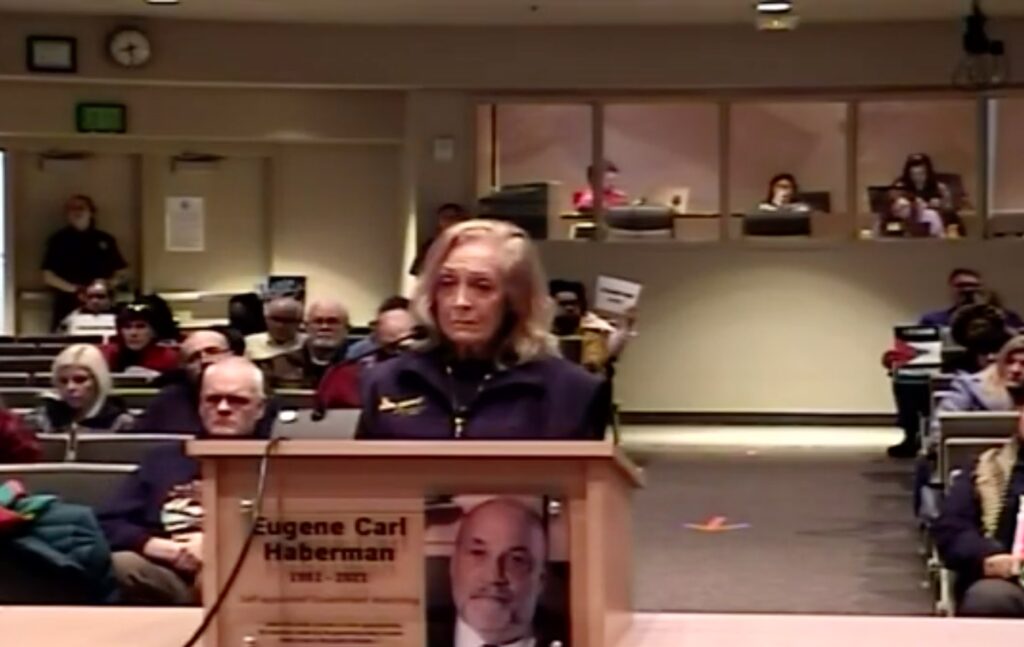
Anne Young, widow of Don Young, waits for the Anchorage Assembly to vote on the naming of the Port of Alaska.
Appearing before the 12 Assembly members during the vote was Anne Young, Congressman Young’s widow, who stood at a podium that the Assembly had quickly named for a citizen activist, Eugene Carl Haberman, with no controversy, after Haberman died on Oct. 21, 2021.
It took the Assembly less than a month to name the podium, but naming a port was another matter. That deliberation took on a partisan quality, with member Karen Bronga delivering decidedly hostile remarks about the congressman.
“Don Young had his day for Alaska. But he aged into someone who was insensitive, a bully and who disrespected women. Rewarding a public figure for this bad behavior because he brought the state money is not in the best interest of our city. The naming of a volcano after him is, in my opinion, way more fitting,” said Bronga during one meeting on the topic last year.
Even during Tuesday night’s deliberations, the matter got caught up in confusion and parliamentary muddling. At one point, an effort was made to try to delay the vote yet again until March, but that was vetoed by Mayor Dave Bronson.
Bronson noted that Young had asked him personally if he would name the port after him. The citizen naming panel had been convened and in June of 2023 had recommended naming the port the Don Young Port of Anchorage.
But the Assembly in September not only postponed its vote, it ordered the citizens’ panel to hold another public hearing and to hold another vote. The Assembly said there had not been enough public notice or input. In December, the group came back with the same name, agreed on unanimously.
It’s election season in Anchorage again, and soon the office of the mayor and several Assembly seats and School Board positions will appear on the April 2 ballot, which will go in the mail to voters eligible and ineligible — in mid-March.
Although no candidate can officially file until Friday, Jan. 12 at 8 am, several candidates have already filed candidate registration documents at the Alaska Public Offices Commission, which regulates campaign fundraising, expenditures, and speech during state and local elections.
Those who have already filed with APOC for mayor include incumbent Mayor Dave Bronson, Chris Tuck, Bill Popp, Suzanne LaFrance, Dustin Darden, and Darin Colby.
For Eagle River’s seat on the Assembly, Cody Anderson and Mark Littlefield have filed; Assemblyman Kevin Cross has decided to leave the Assembly early and this will be considered a special election to complete his final year.
For School Board, candidates who registered with APOC include incumbents Pat Higgins, Dora Wilson, and Carl Jacobs. Also filed is Kay Schuster.
Candidates will have until Friday, Jan. 26 at 5 p.m. to file their official declarations at the Anchorage Clerk’s Office at City Hall, 632 W. 6th Avenue, Suite 250, Anchorage, Alaska 99501, or at the city’s Election Center, Election Center, 619 E. Ship Creek Avenue, Door D Entrance, Anchorage, Alaska 99501.
On Thursday, Jan. 11, the public is invited to witness the random drawing of letters of the alphabet, which will determine the order candidates’ names will appear on the 2024 Regular Municipal Election ballot. That event will take place at the Election Center (619 E. Ship Creek Avenue, Door D), at 1 pm.
Voters will be sent their ballot package in the mail at least 21 days before Election Day, which is around March 13. They are typically mailed from Washington State after being printed there. Voters may return their voted ballot to one of 18 drop boxes, to an Anchorage Vote Center, or by mail with first-class postage.
In addition to the seats noted above, there will be several bond issues that the Assembly will ask voters to fund through their property taxes. And there will be seats on several boards for road service areas across the municipality.
The cost of the annual election in Anchorage is substantial. It doubled after the Assembly ordered the city to use vote-by-mail.
In December, the Anchorage Assembly approved spending more than $61,000 of taxpayer money with the Anchorage Daily News to advertise the upcoming election in a sole-source contract.
The Assembly also had approved spending $86,283 with the League of Women Voters to produce election material.
In addition to the more than $1 million it will cost the municipality to run the all-mail election, the Assembly in November approved another $350,000 for the expected runoff in the mayor’s race, which will take place later in April if no candidate wins more than 45% of the vote on the first ballot.
The Municipal Clerk’s budget for 2024 is over $4 million. Anchorage has about 235,500 voters, and during the last election, 65,853 voted, for a turn out of about 28%.
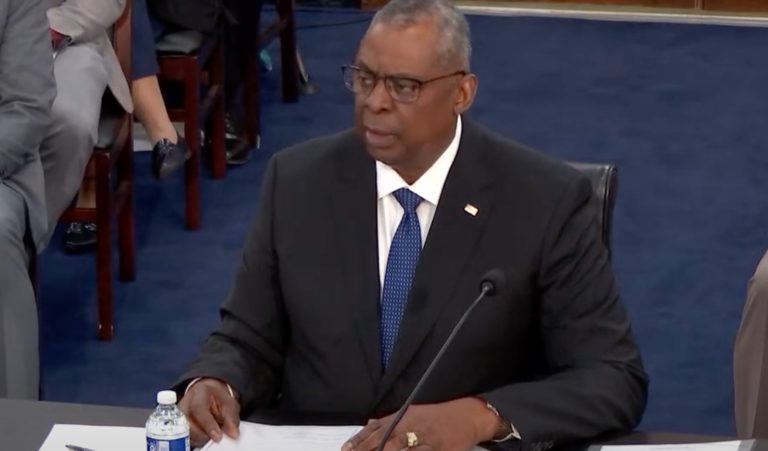
After spending nine days in the hospital, three of them in the intensive care unit, Secretary of Defense Lloyd Austin has revealed what “elective procedure” occurred in December that led to his readmission on Jan. 1: Surgery for prostate cancer that resulted in an infection.
As part of Secretary Austin’s routinely recommended health screening, he had regular prostate specific antigen surveillance, typical for a man of his age, officials said.
Changes in his laboratory evaluation in early December, 2023 identified prostate cancer, which required treatment, Walter Reed National Military Medical Center announced on Tuesday afternoon.
On Dec. 22, 2023, after consultation with his medical team, he was admitted to Walter Reed National Military Medical Center and underwent a “minimally invasive surgical procedure called a prostatectomy” to treat and cure prostate cancer.
He was under general anesthesia during this procedure, but this was not revealed to either the president or the public from the Dec. 21 surgery until Jan. 9. Secretary Austin recovered uneventfully from his surgery and returned home the next morning, said Dr. John Maddox, Trauma medical director, and Dr. Gregory Chesnut, Center for Prostate Disease Research of the Murtha Cancer Center.
“His prostate cancer was detected early, and his prognosis is excellent,” Maddox said. Austin went home to recover but developed intense pain and nausea.
On Jan. 1, Secretary Austin was admitted to Walter Reed National Military Medical Center with complications from the December 22 procedure, including nausea with severe abdominal, hip, and leg pain. Initial evaluation revealed a urinary tract infection. On Jan. 2, the decision was made to transfer him to the ICU for close monitoring and a higher level of care. Further evaluation revealed abdominal fluid collections impairing the function of his small intestines. This resulted in the back up of his intestinal contents which was treated by placing a tube through his nose to drain his stomach. The abdominal fluid collections were drained by non-surgical drain placement. He has progressed steadily throughout his stay. His infection has cleared. He continues to make progress and we anticipate a full recovery although this can be a slow process. During this stay, Secretary Austin never lost consciousness and never underwent general anesthesia,” Maddox said.
Austin has been the subject of criticism because he did not reveal to the president that he was in the ICU for three days. During that time, Deputy Secretary Kathleen Hicks assumed some of his authority, but she was not informed that Austin was in the ICU.
Austin and his staff did not notify the public or Congress of either hospitalization until Friday, which left the White House and the entire military command in the dark about his serious medical condition.
Also, when the news was finally released by the Defense Department that he had been hospitalized, it first said the procedure was “elective,” but the doctor in charge clearly said on Tuesday that it was “required.”
The timeline of the events, as they are known, are at this link:
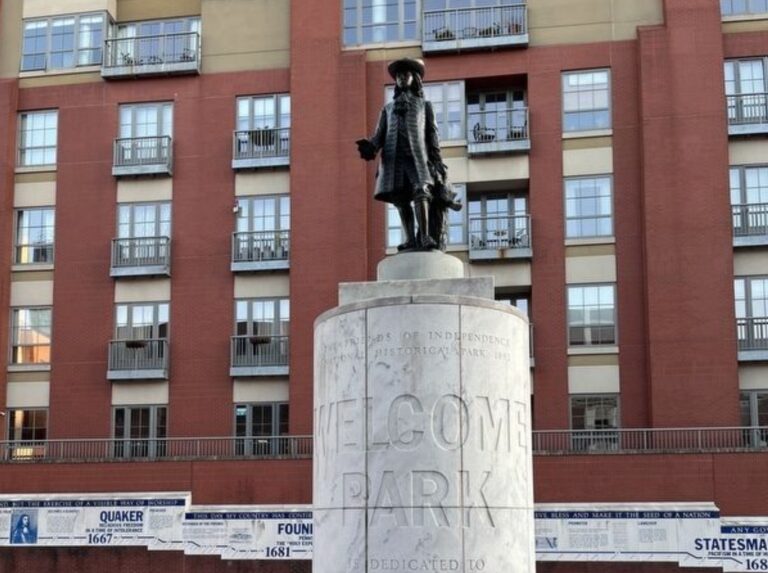
The National Park Service has reversed course on its plan to remove the William Penn statue from a Philadelphia memorial park. It had announced last week it was removing the statue to make the park more inclusive to Native Americans.
“Independence National Historical Park has withdrawn the review of a draft proposal to rehabilitate Welcome Park and closed the public comment period. The preliminary draft proposal, which was released prematurely and had not been subject to a complete internal agency review, is being retracted. No changes to the William Penn statue are planned,” the Park Service announced.
In fact, the public outcry was intense, as Americans objected to the erasure of American history. Removing the historic statue in the middle of a presidential election year may have suddenly seemed unwise to the Biden Administration.
“The National Park Service (NPS) remains committed to rehabilitating Welcome Park as the nation prepares to commemorate the 250th anniversary of the Declaration of Independence in 2026. Upon completion of all the necessary internal reviews, the park looks forward to engaging in a robust public process to consider options for refurbishing the park in the coming years,” the Park Service said.
The park is located on the site of William Penn’s home, the Slate Roof House, and is named for the ship, Welcome, which transported William Penn to Philadelphia. The design and construction of Welcome Park was funded by the Independence Historical Trust and was completed in 1982.
Updates on the project may be found on the park’s website at www.nps.gov/INDE.
U.S. lawmakers will hold a hearing Thursday on “woke ideologies” influencing the military and how that may be negatively impacting national security, including recruitment of new members.
Subcommittee on National Security, the Border, and Foreign Affairs Chairman Glenn Grothman, R-Wisc., will host the hearing.
“The men and women who bravely serve within the military must stay focused on combat readiness, not left-wing objectives which serve no military purpose,” Grothman said in a statement. “It is imperative to extract this poisonous and unhelpful thinking from our military and return the armed services to their core functions.”
A laundry list of controversial examples of military spending have fueled these concerns including DOD funding for drag shows, as well as training members on things like white privilege and pronoun usage.
This hearing comes as the Department of Defense continues to report difficulty meeting recruitment targets. The DOD reported last month that it had missed its fiscal year recruiting goal by 41,000.
In fact, that shortfall only comes after the military branches had already lowered their recruiting goals. The DOD did not list the growth of progressive ideology as a reason for the shortfall, but other experts and critics have cited that ideology as a key factor.
At a hearing last March, Grothman has raised concerns about “progressive ideals” and its impact on recruitment.
The concern over progressive ideology in the military was at the forefront of the debate over and eventual passage in December of the National Defense Authorization Act, which funds the military for another year.
One provision passed by the U.S. House but removed by the Senate was a provision preventing the Department of Defense Education Activity, which educates on-base children, from promoting critical race theory.
“The House-passed version also put an end to taxpayer-funded abortion travel, transgender surgeries, and President Biden’s radical climate agenda in our nation’s military,” Rep. Brad Finstad, R-Minn, said in a statement at the time. “Unfortunately, the Senate chose to strip these provisions and instead used the NDAA to implement its far-left agenda by continuing to fund these woke policies.”
Now, those policies are under further scrutiny as it is already time to start formulating the next NDAA.
“Our military has one primary function: defend Americans and American interests at home and abroad,” Grothman said. “At least this was the primary function until the Biden Administration force fed progressivism into the branches of the armed services.”
In the year 2024 we are facing huge shifts in the landscape of education for our future generations. When schooling became widespread back in the 1800’s, public schools were founded as a way to educate the masses for a new wave of technological advances.
It was all about efficiency and preparing lower classes of Americans to be equipped to work in the factories that were booming and transforming the economy. Today we are well beyond the era of the Industrial Revolution, but this one size fits all “standardized” approach to education is still engrained in our culture.
Today we have a multiplicity of cultural, political, and religious worldviews, a multiplicity of philosophies on how to train children, and a multiplicity of “best practice” educational theories. In this Information Age, we have found technology connecting us around the globe. Families can choose to educate in person, in a virtual classroom, at their own pace, or along with a group.
Just as the entertainment industry has been transformed into its various niches, so parents have a desire to educate their children according to their needs and their desires for their children. Within public schooling there are charter schools, magnet schools, correspondence schools, and specialty schools. Within the homeschool umbrella we find co-ops, micro-schools, virtual learning, small group classes and more. Private schools and independent educators abound. Here in Alaska it is common to find public homeschoolers who participate in a publicly funded charter school to exercise their freedom to make more flexible educational choices for their families.
While we sometimes refer to these groups as discrete segments of the population, the reality of these families is more nuanced. Some families have kids who are homeschooled and others who are in public school settings. Some families transition from private to public or vice versa within the span of the child’s educational experience. Parents are expanding their vision to see that different solutions might be helpful to them in different stages of their students’ and family’s development.
Rather than hunkering down in our public school, private school, or homeschool-only camps, we are realizing that all families need to be empowered to choose the best options for their children. We are realizing that a zip code or income level should not be the ultimate determiners in the scope of the choices families have.
Parents and other community advocates are realizing that our communities are better when we support the choices of others, even if they would choose differently. No one way of educating deserves a monopoly on the education market. No one particular cultural value or worldview needs to be dictated by powerful people. Educational choice is at the heart of liberty and innovation. It supports families where they determine there is a need. It helps great educators serve a greater segment of the population in the way that they determine is best. We support the right of families to educate independently as well as the right of families to receive assistance along the way.
Education impacts us all. In this Alaska School Choice Celebration 2024, we partner with National School Choice Week as we invite educators and community members of all sectors to celebrate the great educators and students Alaska has to offer.
This year our guest speakers include Alaska State School Board Member Pamela Dupras, Clark Middle School Teacher Sharon Gibbons, Mat-Su School Board President Jubilee Underwood, Principal of Anchor Lutheran School Dr. Matthew Baxter, and avid “choice schooling” parent Evelyn Dutton, emceed by educational advocate, Leigh Sloan.
There will be numerous educational vendors to visit so that parents can discover more options for their students. Free SWAG and food along with entertaining performances and fun interactive booths will also be available. Students may participate in an essay contest “Why I love the way I learn” and the winner will have an opportunity to share their essay at the event. Schools can participate in an art show that will be displayed at our state flagship event at the Alaska Native Heritage Center on January 22 (4-7 pm).