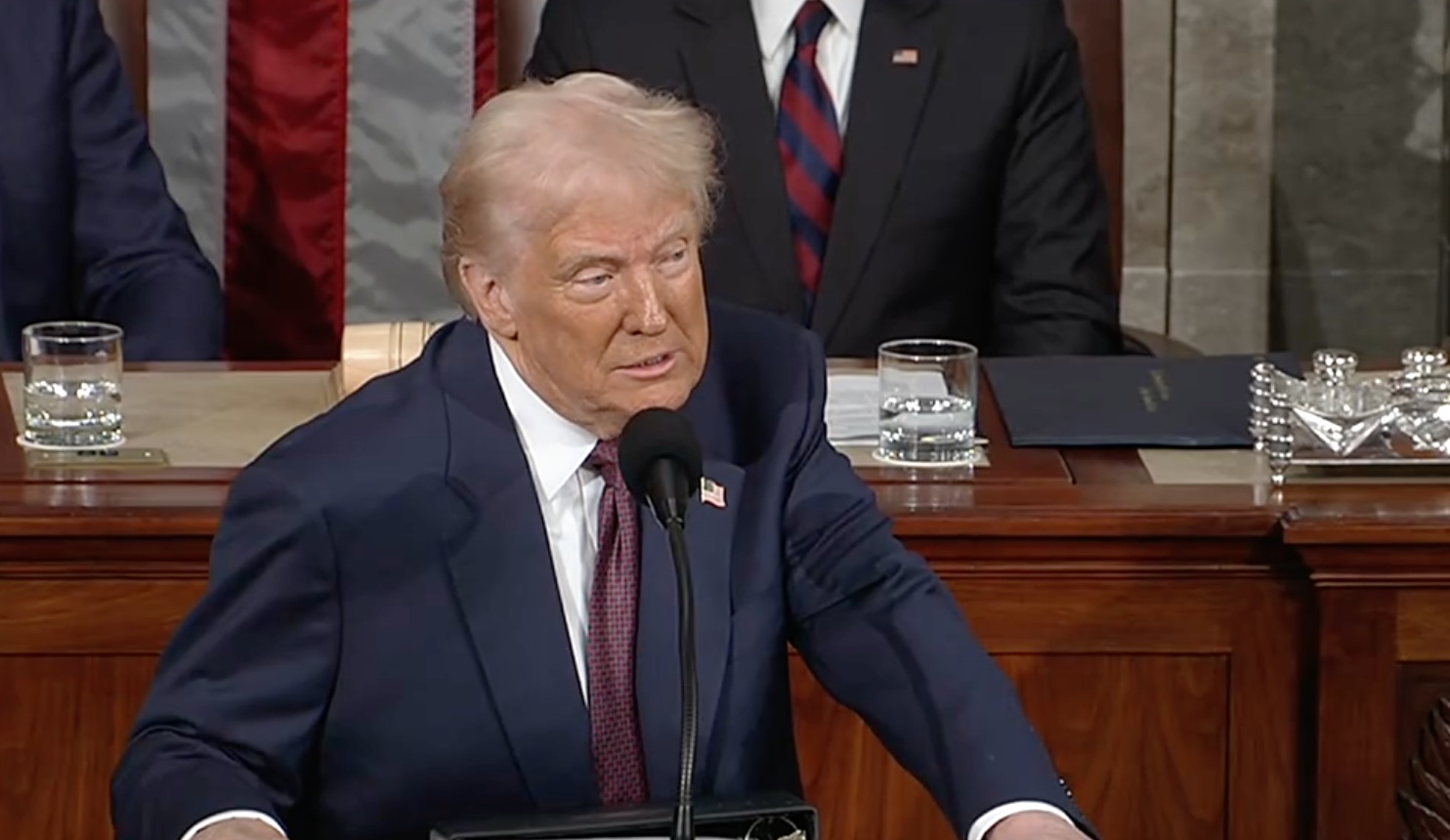
In response to Democrats taking control of both the U.S. House and the U.S. Senate in the midterms, President Donald J. Trump claimed Republicans would have won if he were on the ballot. The White House “Weekly Briefing” newsletter sent November 6, 2026, heavily emphasizes Trump’s record, and his commitment to being “Mr. Veto” against any attempts to “undo his record.”
The White House’s newsletter pointed to a lengthy compilation titled “President Trump’s Second Term: Promises Made, Promises Kept, Results Delivered,” released November 2, asserting that Trump has fulfilled 127 campaign and early-term pledges. The release highlights border security, immigration enforcement, crime reduction, tax policy, and foreign policy, framing the results as a rapid restoration of “sovereignty, strength, and prosperity.”
While claims regarding immigration enforcement, crime reduction, and certain economic policies hold true, the release fails to address Americans’ concerns about everyday affordability and gas prices. Below is a fact-checked summary of Trump’s accomplishments as well as areas where he has fallen short of his promises.
Border and Immigration Enforcement
Customs and Border Protection data cited in the release and confirmed by Department of Homeland Security announcements show southwest border apprehensions falling to 98,708 in fiscal year 2026—approximately a 95 percent decline from annual totals exceeding 1.8 million during peak Biden-era years. Nationwide encounters reached the lowest levels in agency history. The administration reports zero Border Patrol releases of migrants into the interior for 17 consecutive months, the reinstatement of the Remain in Mexico policy, suspension of most refugee admissions (down more than 80 percent), expanded travel restrictions on nationals of 19 countries, and the end of the CBP One app’s use for entry scheduling. Border wall construction resumed, with roughly 250 miles of new barrier completed and substantial funding obligated.
The White House further states that the unauthorized immigrant population declined by at least 2.3 million, with more than three million individuals leaving the country (including nearly 1.2 million formal removals or deportations), ICE conducting nearly 1.3 million arrests, and the United States recording negative net migration in 2025 for the first time in at least 50 years. The Laken Riley Act, requiring detention of certain criminal noncitizens and authorizing state lawsuits over non-enforcement, was signed early in the term. Cartels including Tren de Aragua and MS-13 were designated foreign terrorist organizations, and thousands of gang members were arrested.
These figures represent a decisive operational shift from the prior administration’s record. While the scale of enforcement is substantial, precise historical comparisons for “largest deportation operation” remain complicated by incomplete historical data series.
Crime and Public Safety
FBI statistics referenced in the release indicate the U.S. murder rate fell 18.1 percent in 2025, tying a record low, with violent crime recording its largest annual decline on record. Preliminary first-half 2026 data show further drops of roughly 10 percent in violent crime and 23 percent in murders. Drug overdose deaths are reported down more than 40 percent from their Biden-era peak. Targeted federal interventions in Washington, D.C., coincided with steep local reductions in homicides and carjackings. These trends predated the second term in some categories but accelerated under the current administration’s policies, according to the cited data.
Economy, Taxes, and Affordability
The release highlights the Working Families Tax Cuts (the One Big Beautiful Bill Act, signed July 4, 2025), which made permanent key provisions of the 2017 Tax Cuts and Jobs Act, added temporary deductions for tips, overtime, and certain auto-loan interest, expanded the child tax credit, and created “Trump Accounts” for children. Treasury analyses state that the large majority of filers received tax relief, with significant absolute benefits for middle-income households, though distributional analyses from other organizations note larger percentage gains for higher earners and accompanying cuts to some social programs.
On prices, the White House points to a sharp decline in prescription drug prices (the largest in decades), a September drop in grocery prices, and lower car-insurance costs, alongside more than one million private-sector jobs added and repeated S&P 500 record highs.
However, consumer prices are up 5.4 percent overall since the start of the term, gasoline prices up roughly 38 percent, unemployment near 4.1–4.2 percent, and real wage growth modest or recently lagging. National average gasoline prices, which stood near $3.11–$3.15 at inauguration, had risen into the mid-$4 range by fall 2026, influenced by global oil markets and the Iran conflict. Trump’s specific campaign goal of gasoline below $2 per gallon has never materialized.
Notable Omissions and Legal Constraints
The release lists an executive order ending birthright citizenship for children of illegal immigrants as a “promise kept.” The Supreme Court struck down that order in Trump v. Barbara on June 30, 2026, in a 6-3 decision holding that it violated the Fourteenth Amendment’s Citizenship Clause; subsequent narrower orders have also faced injunctions. The press release does not note the ruling invalidating the executive order.
Other claimed achievements—such as NATO allies’ agreement to raise defense spending toward 5 percent of GDP by 2035, military recruitment gains, expanded resource development— hold true to a certain extent with important limitations not mentioned in the press release.
On defense spending, NATO countries agreed in 2025 to aim for 5 percent of their economies on military and related security needs by 2035—higher than the old 2 percent goal. The United States pushed hard for the change, and spending did rise. But the target is still a decade away, some countries have said they will interpret the numbers more loosely, and there is a built-in review in 2029. Nothing is locked in if future governments change course. Military recruiting has improved after years of shortfalls, with the services hitting their recent goals. Pentagon officials called the results the best in more than 15 years. However, military analysts attribute rise in recruitment to new programs introduced by the Army and the Navy in 2022 and minor recruitment policy tweaks by other branches.
On energy, the administration reopened leasing in Alaska’s Arctic National Wildlife Refuge, sped up permitting for Alaska LNG, and loosened some environmental review rules. Whether companies actually drill more still depends on oil prices, lawsuits, state policy, and business decisions. The large investment total of more than $11 trillion— including $54 billion for Alaska LNG from South Korea— mostly add up announced plans and pledges, not money already spent or officially committed.
In sum, during Trump’s second term, America has seen historically low border encounters and meaningful crime reductions. Economic results are more mixed: the tax cuts are real, equity markets rose, and some targeted price categories improved, yet rising inflation and gasoline costs have left many Americans frustrated with Trump’s policies and continued military action in Iran. Foreign investment claims are often overstated with the administration portraying early non-binding pledges as binding commitments.