What the Cockpit and the Cabin Taught Me
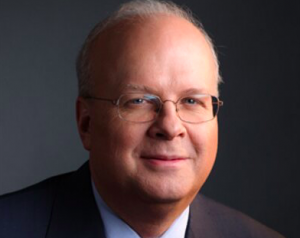
By Blake Gettys, 2026 Candidate for Lt. Governor
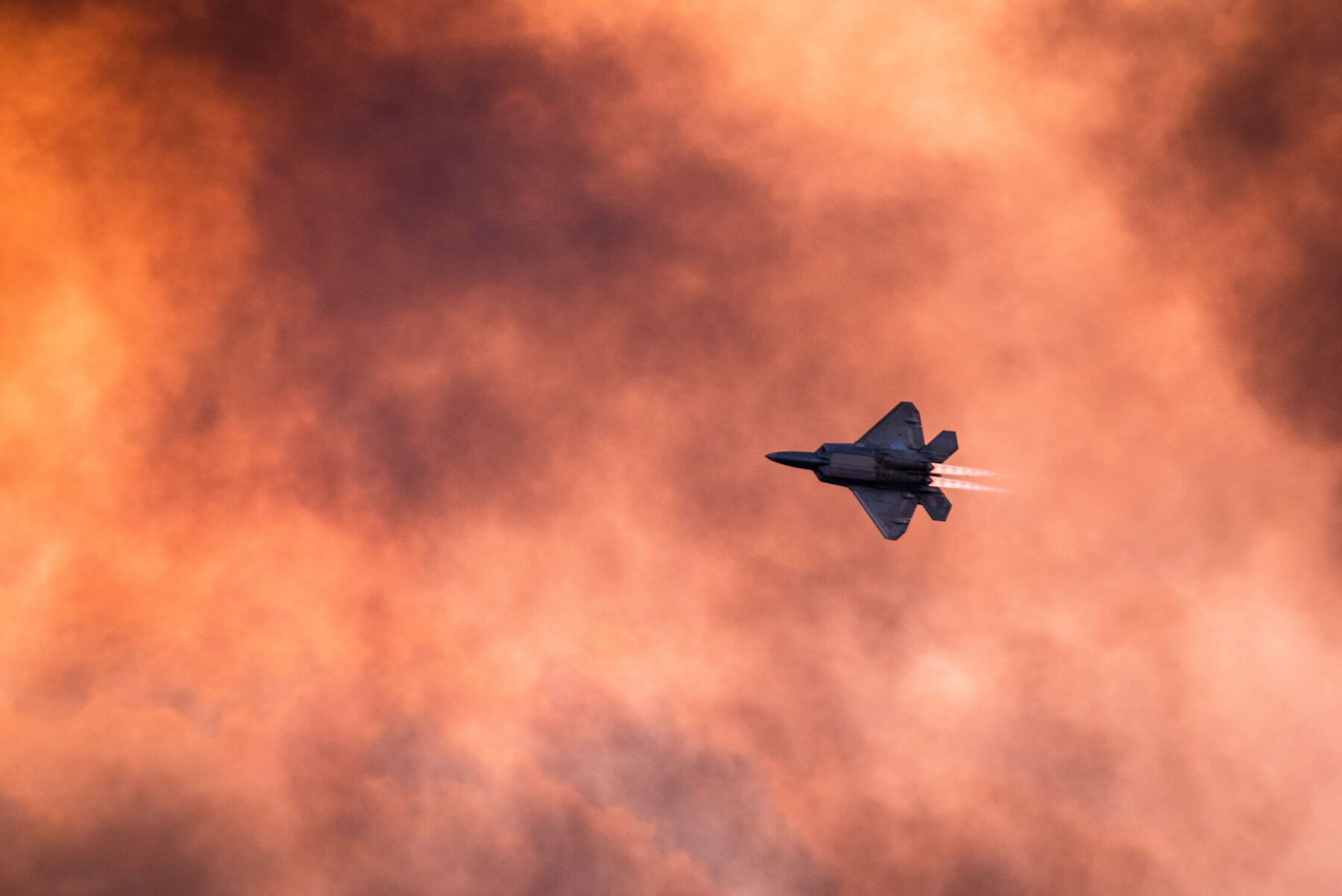
I spent more than three decades in an Air Force flight suit. I started as a cadet at the U.S. Air Force Academy and flew C-21s, C-130s, C-17s, HC-130s, and HH-60s. Between a dozen military and civilian aircraft, I have logged tens of thousands of hours. I commanded a squadron, an operations group, and eventually the 176th Wing of the Alaska Air National Guard, where I was responsible for 1,500 airmen and our state’s airlift, rescue, and homeland defense missions. I retired as a Brigadier General.
None of that prepared me for the two moments that taught me the most about leadership.
The first came as a deployed squadron commander in Afghanistan in the mid-2000s. We flew resupply airdrops into a forward operating base in a valley thick with enemy fighters. Our C-130s took heavy anti-aircraft fire nearly every run, coming home leaking fuel with holes punched clean through the fuselage. I asked for a fighter escort. Leadership said yes, but under the rules of engagement those A-10s could only fire on enemy positions that fired on them first—not on the ones firing at us. Taking the escort would have told the enemy we were inbound before we even arrived. So I turned it down, and we kept flying the mission unescorted, taking fire, because the alternative was worse. My airmen were as frustrated as I was. That was the day I learned that leadership sometimes means choosing between two bad options and owning the choice.
The second came later as a group commander with 600 airmen and then as a wing commander with 1,500. More than once I had to relieve people of duty, including officers who were friends, because they put their own desires ahead of the mission. People were shocked that I would do that to friends. They were emotional choices but not difficult decisions. Command comes with an oath to lead with integrity even when it costs you something. Some of those men are still my friends today. Some are not. You do what is right, regardless.
If I could tell every young American between 18 and 25 one thing, it would be this: find something bigger than your own comfort and give it everything you have. The mission will ask you for things that are inconvenient, even painful. Answer anyway.
I needed that same resolve off the battlefield too. In November 2012, I was setting up my trapline snares near my cabin on the Kenai Peninsula when a brown bear charged me. It closed the distance in seconds, hooked its claws into my thigh, and knocked me to the ground. I sat up straight into its open mouth, its canines on the back of my skull, before it finally released me. In those 90 seconds and two attacks, it tore my leg open to the bone, fractured my fibula, and cut through my face before it simply stopped, stared at me from inches away, and walked off. My friend helped me walk to our boat so we could meet an ambulance. I survived because I did not run and did not stop fighting.
Not two years later, I came home to find my wife Kathleen, president of the Alaska Nurses Association, unconscious in our family room. I worked on her until paramedics arrived. She did not survive.
About a week after her funeral, I went to the cabin with family to find some quiet, and the Funny River Fire, which would go on to burn nearly 200,000 acres of the Kenai Peninsula, came straight for it. I watched a wall of flame consume the land around that property for 26 miles in every direction. When it finally stopped, not one structure on my land was even singed. Everything around us was gone. My cabin stood untouched, like a postage stamp in the middle of a scorched map.
I do not have a tidy explanation for why I walked away from a bear attack, or why fire stopped at our cabin’s perimeter while I was grieving my wife. What I know is that it became a kind of rebirth for me. I rededicated my life to Christ, was baptized, and later found love again with my wife April, who has stood beside me since. I try every day to be a better man than I was before that season of loss, and I do not take a single day I still have for granted.
That same faith is why I said yes when Shelley Hughes asked me to run for Lieutenant Governor. Alaska’s LG office has traditionally been a ceremonial holding pattern. Shelley rejected that. She is building an administration where the LG carries real operational authority, not just custody of the state seal. Under her plan, I will lead a new cross-functional initiative called a sunset commission through measurable performance benchmarks and eliminate programs that have outlived their usefulness. The office of Inspector General will report through the LG, sharing savings with whistleblowers who help us find fraud or work on implementing suggestions from the people in the trenches that know how to do it better, if empowered. I will help push Washington to finally deliver the lands and rights promised to Alaska at statehood, while our sovereign management authority still has a fair hearing in this administration.
Shelley did not choose me to warm a bench. She chose me because she needed someone who had already made hard calls under fire, in command, and at home, and kept moving forward.
I have raised my hand to God more than once in my life and said, pick me, I will go. I am ready to do it again for Alaska.
Blake Gettys is a 2026 Candidate for Lt. Governor, running with former State Senator Shelley Hughes.
More in Series
Service to My Country: Dr. Michael Hanifen, United States Air Force Veteran
Service to My Country: Josh Church, Marine Special Ops
Service to My Country: Dana Raffaniello, U.S. Marines
Service to My Country: Must Read Alaska Veteran Series for America 250 – Natalie Spaulding Interview
Service to My Country: Paul A. Bauer, Jr., Army Airborne Infantry
Service to My Country: Zack Gottshall, Marine and Army Veteran
Service to My Country: Dr. George B. Hightower, Navy Medical Doctor
Are You an Alaskan Veteran or Active-Duty Service Member?
We invite veterans and active-duty service members to send us articles sharing your story. You can use the questions below as inspiration. You do not have to respond to all the questions, and you are not limited to them. Please include the branch you served in and how many years you served.
Guiding Questions
What did/ do you do in the military?
How long did you serve?
Did anyone else in your family serve?
Why did you choose the service branch that you did?
What was the greatest challenge you faced during your service and how did you overcome it?
What was the most significant lesson you learned during your service?
If you could say one thing to young Americans aged 18-25, what would you say?
Requirements
Please follow these requirements for your submission:
- Word limit: 1,000 words
- Must be written in first person
- Must be published with original author’s legal name (no pennames/ ghostwriting)
- No foul language
- All direct quotes and data points must be cited (a link to source is sufficient)
- Have fun! Be creative!
Submit your story to [email protected].
Must Read Alaska says thank you to all our amazing veterans!