Bear 747 has been advanced to the semi-finals bracket for the Tuesday’s final 2022 Fat Bear Week contest, after the National Park Service’s semi-final had more than 7,000 fake votes cast for the bear named Holly.
“Like bears stuff their face with fish, our ballot box, too, has been stuffed. It appears someone has decided to spam the Fat Bear Week poll, but fortunately it is easy for us to tell which votes are fraudulent. We have discarded the fake votes and today’s official totals are: 747: 37,940 435: 30,430,” the Katmai National Park Twitter account wrote on Oct. 9.
Bear 747 weighed in around 1,400 pounds, voters believe, and is still the bear to beat. Nicknamed the Earl of Avoirdupois, he was voted the heftiest out of 12 bears in the 2021 contest. And in 2020. Holly is out of the running, or rather waddling. Bear 901 is “in it to win it” for the fight for fatdom. But can she take on 747?
Voting for the final fat bear winner starts Tuesday at 8 am Alaska time, ending at 5 pm at this link.
The Katmai National Park hosts the annual bracket-style contest for bears at the park, in cooperation with explore.org. The fun contest has people from all over the world tuning into the park’s live cameras at Brooks Falls to watch the bears chow down on salmon.
“With a preponderance of pudge, 901 left 128 grazed & confused. New bear on the bracket block, swole sow & rumble-ready rookie secured her spot in this year’s #FatBearWeek finale. Tune in 10/11 for the biggest match of the season. Voting opens at 8am AK at http://fatbearweek.org,” the NPS Twitter account announced, lining up 747’s biggest rival for Tuesday’s final voting period.
Confusing? Are they using Dominion machines over at the NPS? Will the loser bear ask for a recount? The whole thing is fishy, but at least the #FatBearWeek contest hasn’t gone to an open primary and ranked choice voting. May the best — or fattest — bear win.
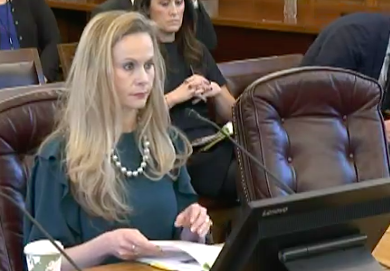
When Senate candidate Kelly Tshibaka worked as a watchdog for the federal government’s spy community, in charge of rooting out fraud, waste, and abuse, she might have made a few people uncomfortable. She may have made someone lose their job, even.
And so a complaint was filed against her a decade or more ago, when she was doing her job keeping a lid on fraud.
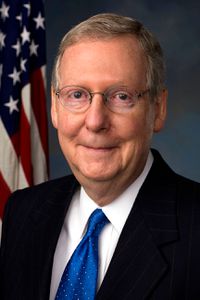
Now, Sen. Mitch McConnell of Kentucky is trying to use that to destroy Tshibaka’s reputation as a candidate for Senate, even though she is a fellow Republican and whether she or Sen. Lisa Murkowski wins, it will not change the actual Republican makeup of the Senate.
The Senate Leadership Fund super PAC tied to Senate Minority Leader Mitch McConnell started running television and radio ads that accuse Tshibaka of committing fraud while working for the counter-terrorism agency — a serious charge. McConnell is supporting Sen. Lisa Murkowski, who lost the support of the Alaska Republican Party after she voted against the nomination of Supreme Court Justice Brett Kavanaugh.
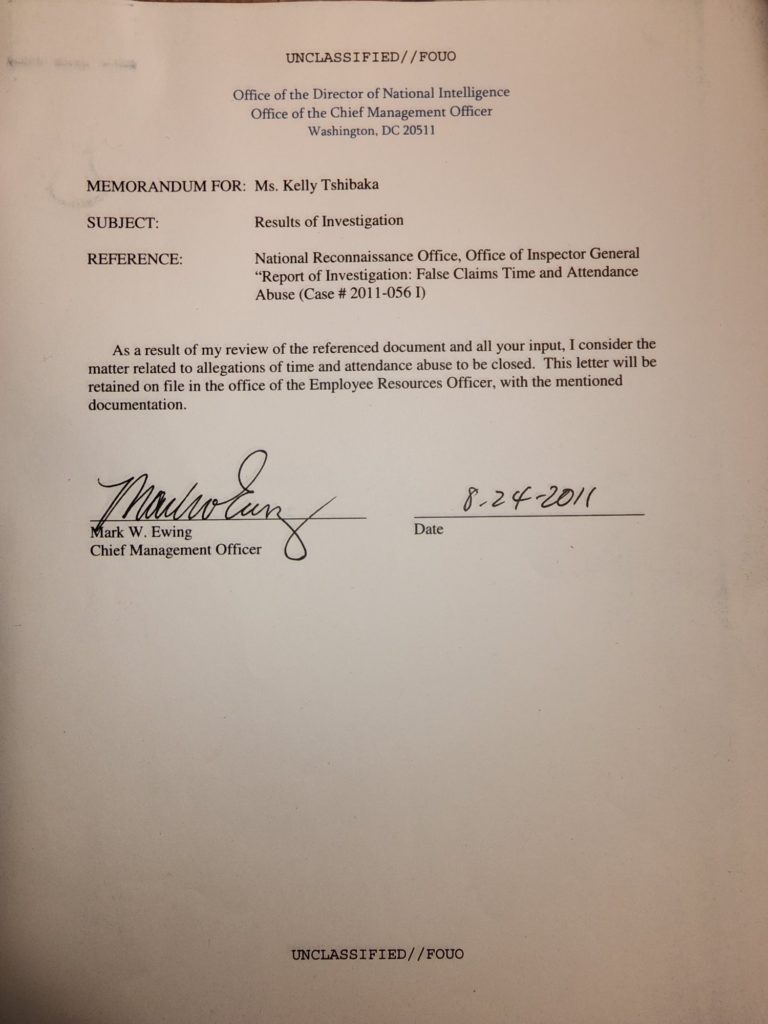
Tshibaka gave Must Read Alaska a copy of the document she says shows the entire matter of the complaint against her for “false time” reporting was looked at, and closed. There were no credible claims.
After the complaint was found wanting, Tshibaka was promoted from being adviser to the Inspector General of the National Intelligence Service to senior adviser to the Inspector General.
The office of the Director of National Intelligence is a senior-level agency that provides oversight to the Intelligence Community. ODNI is primarily involved with counter-terrorism, counter-intelligence, and other spy work, including protecting elections from foreign interference. Being the watchdog of the intelligence community is not without its work hazards, especially if a spy is found to be acting contrary to protocols.
While the letter from the chief management officer for the Director of National Intelligence is not conclusive without what is likely privilege employment-related backup documentation, the fact that Tshibaka received promotions after the date of this letter provides substantial support for her claim that the allegations were baseless.
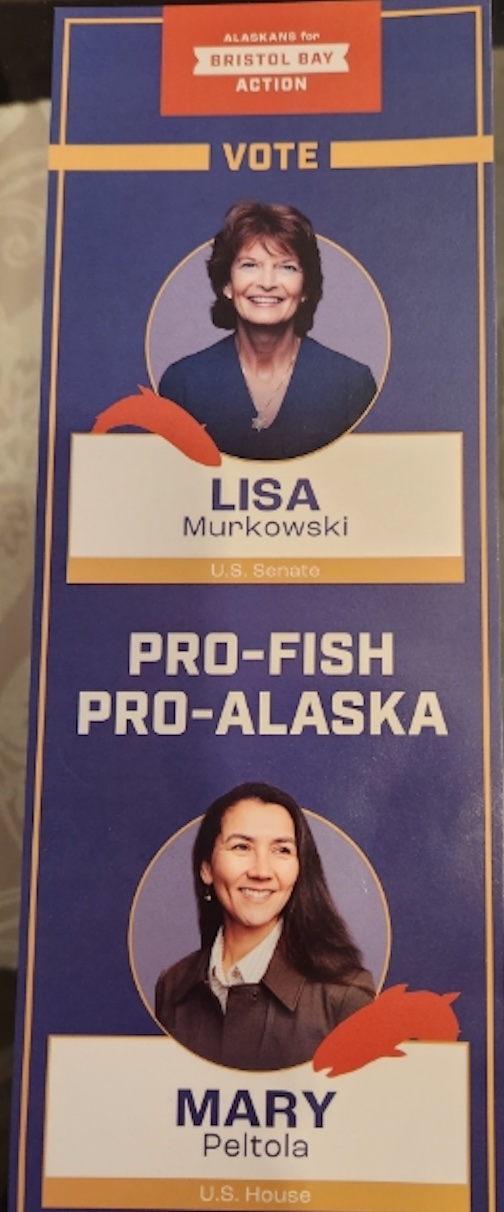
The Outside dark money group called the Sixteen Thirty Fund, which backs Democrats and liberal causes and which is trying to scare Alaska voters into voting “no” on the Constitutional Convention question, is also backing Sen. Lisa Murkowski and Congresswoman Mary Peltola as the “pro-fish ticket.”
Murkowski is a nominal Republican who has been asked by the Republican Party to vacate the premises. The party censured her and proceeded to endorse Republican Kelly Tshibaka for Senate. Peltola is a Democrat who is finishing out Congressman Don Young’s term of office and running for the two-year seat.
The Sixteen Thirty Fund is running under the name of Bristol Bay Action, and has given that group some $600,000 to work with. It is the only money that Bristol Bay Action has to work with, and the group has been sitting on the funds since March.
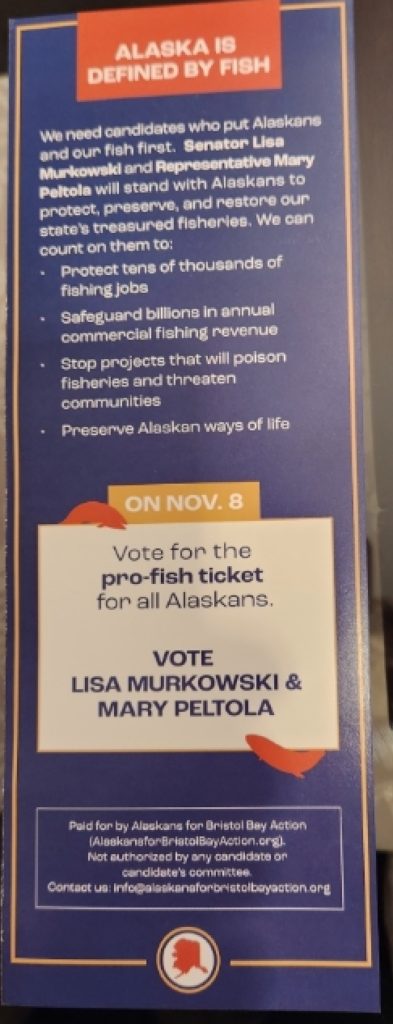
In Anchorage, Bristol Bay Action flyers began showing up at homes this week with both Murkowski and Peltola as the “fish” candidates.
Must Read Alaska has documented the Sixteen Thirty Fund’s persistent involvement in Alaska politics for years. The group is an offshoot of Arabella Advisers, the dark money hub of leftist politics in America. Arabella funds groups such as the new media upstart Alaska Beacon, and other left-leaning news organizations around the country, as the group tries to shape the news narrative in America with news organizations that appear to be neutral.
Other candidates funded by the Sixteen Thirty Fund are hardline leftists like Stacey Abrams of Georgia.
“The Atlantic, a left-leaning magazine, has called the Sixteen Thirty Fund ‘the indisputable heavyweight of Democratic dark money’ which funneled ‘roughly $61 million of effectively untraceable money to progressive causes,’ making it the ‘second-largest super-PAC donor in 2020.’ Of Arabella Advisors, the Atlantic noted that the ‘mothership’ company runs a ‘massive progressive dark-money group you’ve never heard of.’ It added: ‘Democrats have quietly pulled ahead of Republicans in untraceable political spending. One group helped make it happen,’ reports InfluenceWatch.org.
The Sixteen Thirty Fund is just one arm of the Arabella political octopus. Others include the Hopewell Fund, and New Venture Fund, and dozens of other groups just like Bristol Bay Action, with local-sounding names.
“A single, cryptically named entity that has served as a clearinghouse of undisclosed cash for the left, the Sixteen Thirty Fund, received mystery donations as large as $50 million and disseminated grants to more than 200 groups, while spending a total of $410 million in 2020 — more than the Democratic National Committee itself,” The New York Times reported in January.
Back side of flyer for Murkowski and Peltola.
Lumping Murkowski with Peltola isn’t something that the very experienced political group Sixteen Thirty Fund would do by accident; it would be the result of polling and message testing. This pairing might help Peltola, while hurting Murkowski, although Alaska pollster Ivan Moore says Murkowski has alienated her right flank to the point that all she has is the left now. It appears doubtful Murkowski will distance herself from Peltola, but instead will ride her coattails for the Democrat vote.
Bristol Bay Action is not qualified with Federal Election Commission as a multi-candidate group, but is actively supporting two candidates on this flyer, a possible campaign violation.
“Alaska Republicans should resent Mr. McConnell’s gratuitous interference in the race and the way Ms. Murkowski has manipulated this ‘heads I win, tails you lose’ game. They should vote for Ms. Tshibaka on Nov. 8, and definitely not vote for Ms. Murkowski as their ‘second choice,’ which would only help rescue an out-of-step incumbent.”
Defeated in the 2010 Alaska GOP primary by a conservative challenger, liberal Republican Sen. Lisa Murkowski defied the odds and ran a successful write-in campaign for reelection.
Ms. Murkowski — who had been appointed to the seat in 2002 by her father, then-Gov. Frank Murkowski, in a move that gave nepotism a bad name — won that 2010 race with just 39.5% of the vote in a three-way race. That was the lowest share of the vote for a winning Senate candidate in 40 years.
Fast-forward to today. Ms. Murkowski is again running for reelection and is even less popular now with the GOP base than she was in 2010.
That shouldn’t surprise anyone after Ms. Murkowski voted against conservative Judge Brett Kavanaugh’s nomination to the Supreme Court in 2018, but then turned around and voted in favor of liberal Judge Ketanji Brown Jackson’s nomination earlier this year, or after she voted to convict President Donald J. Trump, a fellow Republican, of baseless, Democratic-driven charges of incitement to insurrection in his second impeachment trial. (After the impeachment vote, Ms. Murkowski was censured by the Alaska Republican Party.)
If all that weren’t bad enough, according to FiveThirtyEight.com, which tracks congressional votes, Ms. Murkowski voted with Mr. Trump’s positions just 73% of the time, second-lowest only to her fellow liberal Republican, Sen. Susan Collins of Maine. In the first nine months of the Biden administration, however, Ms. Murkowski voted with the positions of President Joe Biden, a Democrat, nearly 79% of the time.
No doubt fearing another primary challenge (and the unlikely prospect of successfully pulling off another write-in campaign), Ms. Murkowski and her allies in 2020 orchestrated a change to Alaska’s election laws.
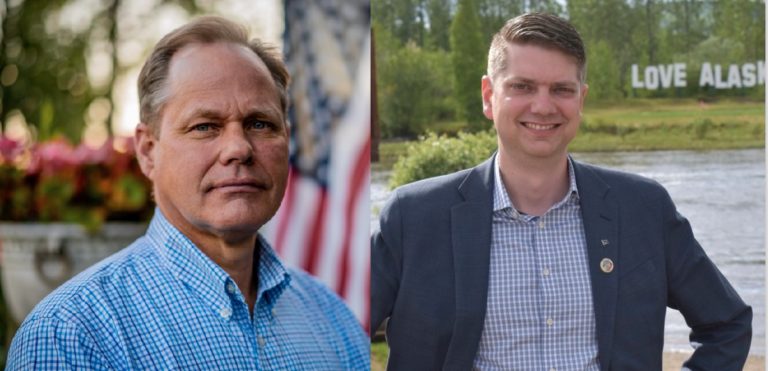
Anchorage Mayor Dave Bronson has endorsed Nick Begich for Congress, in one of the most important endorsements of the 2022 election season.
“Governing is a tough job, day and day out. It takes someone with commitment and a strong work ethic. Nick brings these strengths to the table and has the intellectual capacity to do the job. Nick has my support,” Bronson said.
Bronson joins an impressive list of other conservative Alaska leaders, including his own City Manager Amy Demboski, and numerous mayors: Wasilla Mayor Glenda Ledford, Fairbanks Mayor-elect David Pruhs, former JuneauMayor Ken Koelsch, Fairbanks North Star Mayor Bryce Ward, Fairbanks Mayor Jim Matherly, Nenana Mayor Josh Verhagen, Cordova Mayor Clay Koplin, former Kenai Borough Mayor Charlie Pierce, North Pole Mayor Mike Welch, Petersburg Mayor Mark Jensen, Palmer Deputy Mayor Pamela Melin, Kachemak Mayor Bill Overway, and former Fairbanks Mayor Rhoda Boyles.
Other elected conservatives who have endorsed Begich include Eagle River Assemblywoman Jamie Allard, Anchorage Assemblyman Randy Sulte, former Eagle River Assembly member Crystal Kennedy, and former Assembly member Dan Kendall.
Republican state senators who have endorsed Begich are Sen. Shelley Hughes, Mia Costello, Roger Holland, Robert Myers, Mike Shower, former Alaska Sen. President Pete Kelly, former Senators Ralph Seekins,John Coghill, and Bill Stoltze.
Conservative Alaska House members who have endorsed Begich lead off with House Minority Leader Cathy Tilton, along with Sarah Vance, George Rauscher, Mike Cronk, Mike Prax, Kevin McCabe, Tom McKay, Ken McCarty, Ron Gillham, Steve Thompson, Ben Carpenter, former House Majority Leader Charisse Millette, former state House member Dick Randolph, former House Speaker Mike Chenault, former House member Lynn Gattis.
Local elected leaders endorsing Begich include: Mat-Su Borough Assembly members Jesse Sumner, Dee McKee, and Rob Yount, Kenai Councilwoman Teea Winger, Kenai Borough Assembly members Bill Elam and Richard Derkevorkian, former Mat-Su Borough Assemblyman George McKee, Mat-Su School Board members Tom Bergey and Jubilee Underwood, Fairbanks North Star Borough School Board member Matthew Sampson, Fairbanks North Star Borough Assembly member Jimi Cash, and Ketchikan City Council member Jai Mahtani.
Then there are many organizations that have endorsed Begich: The Alaska Republican Party, Associated Builders and Contractors of Alaska, Alaska Outdoor Council, Anchorage Young Republicans, Mat-Su Young Republicans, Kenai Peninsula Republican Women of Alaska, Republican Women of Fairbanks, Mat-Su Republican Women’s Club, Valley Republican Women’s of Alaska, several Republican districts, Americans for Prosperity Action, Freedom Works for America.
The Nov. 8 election will decide who will represent Alaska in Congress for the next two years.
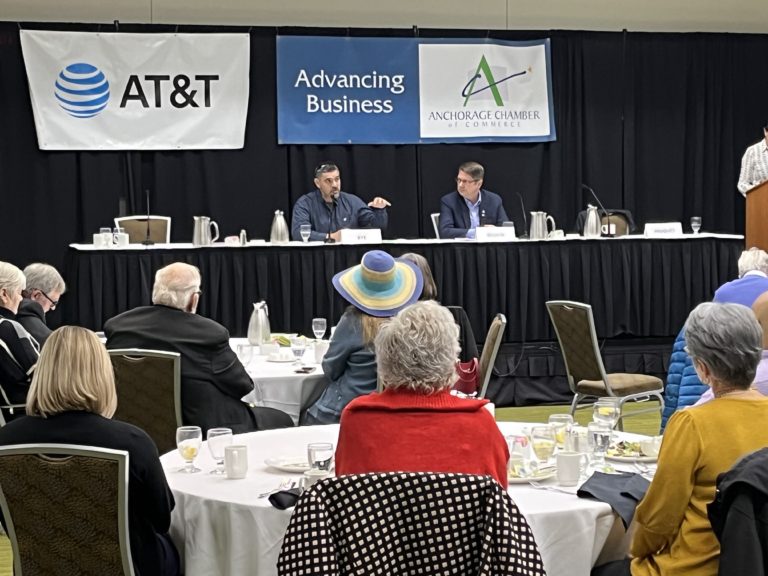
Only congressional candidates Nick Begich, Republican, and Chris Bye, Libertarian, attended the Anchorage Chamber of Commerce congressional candidate forum on Monday. Sarah Palin, fresh off her rally on Sunday at the Dena’ina Center, was heading to New York City. Democrat Congresswoman Mary Peltola was celebrating Indigenous Peoples’ Day in Sitka, and found time to attend by video, while Palin sent a pre-recorded video.
Peltola, in her video remarks, said that she thinks it’s a bad idea for candidates to criticize the federal government, since there are so many federal employees in Alaska.
Begich commented that having such a high percentage of government employees in the state shows the need for the private sector to grow to balance the economy. He emphasized the importance of resource development and he is the best positioned to advance those interests, as someone who comes from the private sector.
In her pre-recorded remarks, Palin said that she has been traveling the world the past many years promoting Alaska and she has the connections to hit the ground running. She said she has 30 years of political experience, including being mayor of Wasilla and governor of Alaska. It was a short video, about two minutes.
There were as many people at the Chamber Make It Monday Forum as attended Palin’s get-out-the-vote rally on Sunday. She skipped the Kenai-Soldotna Chamber forum, and the Anchorage Republican Women’s forum, among others, and has told forum hosts that she will not attend unless she’s provided questions in advance. This forum did not provide questions in advance.
The Senate candidates went first, with Sen. Lisa Murkowski, Kelly Tshibaka, and Pat Chesbro on the panel for 30 minutes, with the two congressional candidates taking the microphones for the second part of the program.
The general election is Nov. 8, and has the congressional seat, Senate seat and gubernatorial seat on the ballot, in addition to all legislative seats except one.
People like Thomas Sowell and Milton Friedman (the late Father of School Choice) are known as prominent conservative thinkers. However, both of them acknowledge that the word “conservative” is not the word they would choose to describe themselves. Milton Freidman classified himself as a liberal in the classic sense of the word.
A classical liberal is someone who wants to preserve the freedom of the individual as much as possible, regardless of whether or not the individual acts within societal norms. A conservative is someone who would like to conserve traditions and methods and norms of the past. In the purest sense, liberals focus on the future and conservatives’ focus is on the past.
You can understand, then, why someone like Milton Friedman would balk against the conservative label. The majority of his ideas were not ideas that he retrieved from the past, but ones that envisioned a better future. He foresaw a better path toward educational liberty, where families could choose the educational services that worked best for them without unnecessary government interference.
So whether you call yourself a conservative or liberal depends on your frame of reference. What from the past are you trying to conserve? Conversely, what are you trying to liberate people from?
The United States of America began its history with visionaries who were desperately trying to break free from the chains of the past. They were breaking free from the chains of over-taxation, from England forcing them to do things against their will, from religious tyranny that was happening all over the world. Whether they’d choose to wear the conservative or liberal label, freedom lovers then and now choose We The People.
We no longer have a king from overseas dictating our every move, but in Alaska today we have found ourselves with big and powerful national organizations like the National Education Association dictating how and what our children will be taught and where our taxpayer dollars will go. We have deep pocketed individuals actively seeking to influence voters to maintain the status quo that will continue to feed the bureaucratic beast.
At a time when just about everyone is running for public office and clamoring for your attention— the majority of Alaskans remain unaware of the opportunity we will have to vote for or against a Constitutional Convention on the November ballot. A Constitutional Convention is a safeguard put into place by the framers of our constitution. It is there to make sure that our state government remains firmly in the grasp of We The People. When legislators act as though they don’t have to follow the rules, when judges legislate from the bench, when the will of the people is ignored— such is the time for We The People to “hire ourselves” to rectify the situation.
Much of what you may have heard about the Constitutional Convention has likely been from deep-pocketed power brokers who know that if we vote to “hire ourselves,” their power will be jeopardized. Attempting to appeal to conservatives, they claim that a convention will take gun rights away, impose taxes, limit subsistance fishing, and more.
Alaskans are independent people. We are reasonable, and as a whole, moderate. By and large, we want our gun rights, we want our PFDs, and we want the ability to decide for ourselves how to live and how to educate our children. We are independent and we are tolerant of others to live life the way they see fit as long as they are not hurting anyone else.
If we pass a Constitutional Convention, it will give us the opportunity to elect our own delegates to fix what our legislators have not been able to fix. After these delegates deliberate, they will submit suggested constitutional changes to the public. The decision will then be returned once again to The People for a vote, making doubly sure that The People’s will is accomplished.
We have the choice to grant ourselves the opportunity to cast a vision a brighter future, perhaps to open up new innovative strategies for solving our educational crisis, to enumerate for ourselves freedoms in the constitution that have been misinterpreted and commandeered by our judges.
This November, 2022 election is perhaps the most important election we will have in a very long time. The Constitutional Convention, while it is perhaps the least understood and discussed, is the possibly the most important issue of all.
It’s time for We the People to step up to the plate and trust our own ability to lead ourselves. It is time for us to have the bravery to engage in the tough conversations and trust ourselves to make the right choices for our own future.
The next time you hear an ad, pay attention to one thing: who is backing the message and whether or not they speak for you. Don’t let fear guide your decisions. We are living in a time when inaction may be the greatest risk of all. A YES vote on the Constitutional Convention is a YES to the voice of The Alaskan People.
Leigh Sloan is producer of Brave Conversations podcast.
The U.S. State Department’s Diversity, Equity, Inclusion, and Accessibility (DEIA) Strategic Plan has sparked controversy for including taxpayer-funded “gender transition care” for employees and their children.
The policy comes as some states have begun banning those very same transgender surgeries and drugs from use on children, labeling them “child abuse.”
“The State Department might not just be paying for their employee’s kids to receive these damaging surgeries, they’re penalizing foreign service officers who disagree and pressuring countries to perform these procedures on children,” U.S. Rep. Jim Banks, R-Ind., told the Free Beacon.
President Joe Biden signed an executive order in June specifically aimed at combating these state efforts.
“During my confirmation hearing, I said that I would judge the success of my tenure, in part, by how well I lead the Department to be more diverse, equitable, inclusive, and accessible,” Secretary of State Antony Blinken said after the plan was released. “Together, we will make the Department a more effective organization, better equipped to meet the challenges and opportunities of the 21st Century.
“Our country’s diversity is our greatest strength,” he added.
The policy lays out strategies to “increase support for Lesbian, Gay, Bisexual, Transgender, Queer, and Intersex (LGBTQI+) employees and family members.”
The plan commits that the State Department will “assess resources for gender dysphoria and gender transition care at posts for employees and their dependents.”
The agency will also “develop a Department-wide targeted plan to achieve equity in the advocacy plan to obtain the accreditation of same-sex spouses overseas” and “increase gender-neutral restrooms and locker rooms in overseas facilities.”
The plan says the agency will “evaluate and ensure inclusion and safety policies and procedures for LGBTQI+ children at overseas schools in collaboration with the educational accreditation agencies and provide mechanisms for social-emotional support.”
Last year, the Veterans Administration began offering surgeries for veterans seeking to alter their gender appearances. The VA said it would make the department more “more welcoming” to all veterans and the announcement included that the LGBT health program would become the LGBTQ+ health program, to “reflect new community standards of inclusiveness and anticipate future changes in terms.” The VA is not providing plastic surgery for vets who simply want a more youthful appearance, but will do surgery for those who want to mutilate their genitalia and be on hormone replacement therapy for the rest of their lives.
Republicans around the country have begun pushing policies to ban transgender surgeries and drugs from use on children.
Arkansas became the first state last year to ban transgender procedures and drugs for minors.
“They need to get to be 18 before they make those decisions,” Republican Rep. Robin Lundstrum said at the time.
In Texas, several legal battles are underway over Gov. Greg Abbott’s investigations into child transgender transitions as child abuse.
In August, the Florida Agency for Health Care Administration said the state’s Medicaid coverage would not pay for transgender drugs or surgeries. Florida’s medical board has begun reviewing transgender treatments for youth with the likely goal of banning them for those under 18 years old.
Tennessee is also foremost among the states after state Republican leadership said it is considering an outright ban on transition drugs and surgeries for minors.
Last month, allegations arose that Vanderbilt University was pushing the transition treatments to earn a profit and forcing out employees who disagreed after a video of the university’s medical center went viral. That video included a Vanderbilt University Medical Center doctor in 2018 touting that transgender surgeries “bring in a lot of money” and has further ratcheted up scrutiny on the issue in that state.
“We should not allow permanent, life-altering decisions that hurt children or policies that suppress religious liberties, all for the purpose of financial gain,” Tennessee Gov. Bill Lee, a Republican, said in a statement.
Once per decade — next on Nov. 8 — Alaska’s constitution grants the people the right to call a constitutional convention via a statewide referendum. Alaska’s Framers placed this automatic referendum on the ballot to prevent the Legislature from having monopoly power over initiating constitutional amendment. The process they created grants the people three votes: First, whether to call a convention. Second, if called, to elect delegates to the convention. Third, whether to approve the convention’s proposals.
Alaska’s framers understood that the process of ordinary and higher lawmaking should be different. After all, if they were the same, there would be no point in having a written constitution. Higher lawmaking requires a different process because the legislature has a conflict of interest when initiating, proposing, and ratifying fundamental laws concerning its own powers. Just as foxes shouldn’t be placed in charge of guarding a henhouse, government officials created by a constitution shouldn’t be placed in charge of amending it. As the drafter of Alaska’s periodic convention referendum put it: “[T]he constitution should not be at the mercy of future state legislatures.”
Each vote was to prevent the foxes from controlling one of the three critical stages of the constitution-making process: the first where the people initiate the process via referendum, the second where the people elect a convention separate from the legislature to propose constitutional changes, and the third where the people ratify or reject each proposed change.
Convention opponents are correct that bypassing the Legislature in constitution-making costs a premium because a Legislature already exists whereas a convention must be created from scratch. But the framers believed that this additional expense could be an investment, not merely a cost, because of the valuable benefits empowering the people could bring to constitution making.
The framers also believed that a convention needed the same unlimited constitutional proposal power as the Legislature because allowing the Legislature to limit a convention’s proposals would be granting the fox control over the henhouse. In other words, unlimited agenda setting power for a convention wasn’t a Pandora’s Box; it was the prime benefit of the convention process.
Unlimited agenda setting power also didn’t mean unaccountable, as the framers granted the people ratification power over any constitutional amendment proposed by either legislature or convention.
New Hampshire illustrates the type of process the framers had in mind. New Hampshire, the “live free or die state,” has politically much in common with Alaska, including placing a convention referendum on the ballot every ten years. Unlike Alaska, it has held seventeen conventions, including 10 in the 20th century. Yet it has the second oldest constitution in the world because it has used the process to amend rather than rewrite its constitution.
Convention opponents are spending more than a million dollars making absurd claims that a convention “is a Pandora’s Box pure and simple” and that one would “cost at least $17 million dollars.” The Pandora’s Box claim is a direct attack on the framers’ wisdom in putting the periodic referendum in Alaska’s constitution to function as Alaska’s only constitutional legislative bypass mechanism.
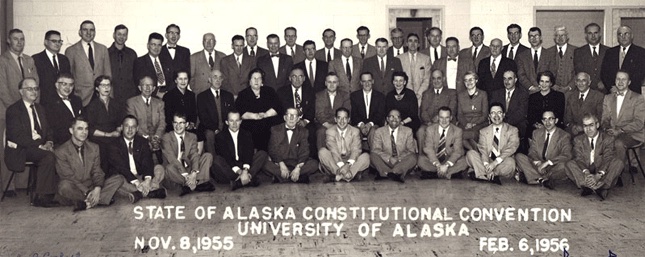
Alaska’s last convention in 1955-6 spent less than $300,000, about $3 million in today’s dollars. And that was for a statehood convention designed to create a constitution from scratch, not merely to propose popular amendments the legislature won’t pass, such as codifying the Permanent Fund Dividend. Alaska’s government currently spends some $12.7 billion a year and $127 billion over a ten-year stretch. A convention’s cost is merely a rounding error on that amount. If Alaskans, like other Americans, believe their state government wastes at least 30% of every dollar spent, the economic return on a convention that reduces that waste by a mere 1% would be more than 100:1.
The convention process has three natural enemies. First, incumbent legislators because a convention takes power from them. Second, Alaska’s most powerful special interest groups because, by definition, they excel at influencing the Legislature and recognize that a convention could be a Pandora’s Box for their interests. Third, any group that prefers using the courts rather than the legislature or a convention, to pursue its agenda.
Alas, many secondary interest groups depend on these natural enemies for political support, which includes trading convention opposition for support of their organization’s core lobbying mission.
What these four bipartisan groups have in common is that they are political insiders who, in certain relatively rare circumstances, have perverse incentives to form a political cartel averse to the people’s interests.
The most famous such cartel in American politics concerns legislative gerrymandering. Alaska’s framers understood the risk of such a cartel regarding opposition to bypassing the legislature, which is why they created the automatic periodic convention referendum.