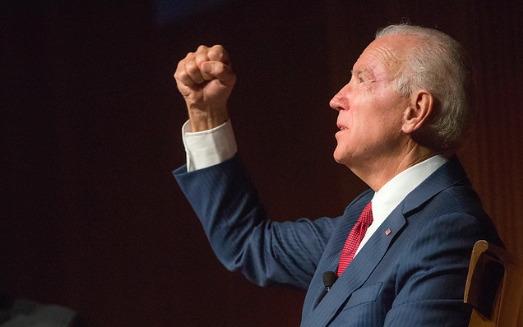
Bernie Sanders lost the primary in three big states tonight: Florida and Illinois. And he lost bigly.
Joe Biden has 1,147 delegates to Sanders’ 861 delegates.
Ohio on Monday delayed its primary election, which had been scheduled for today. The state’s health director ordered the polls closed, and after a tense court battle, the Ohio Supreme Court upheld the decision. The new date is June 2.
Across today’s three primary states, turnout appeared light.
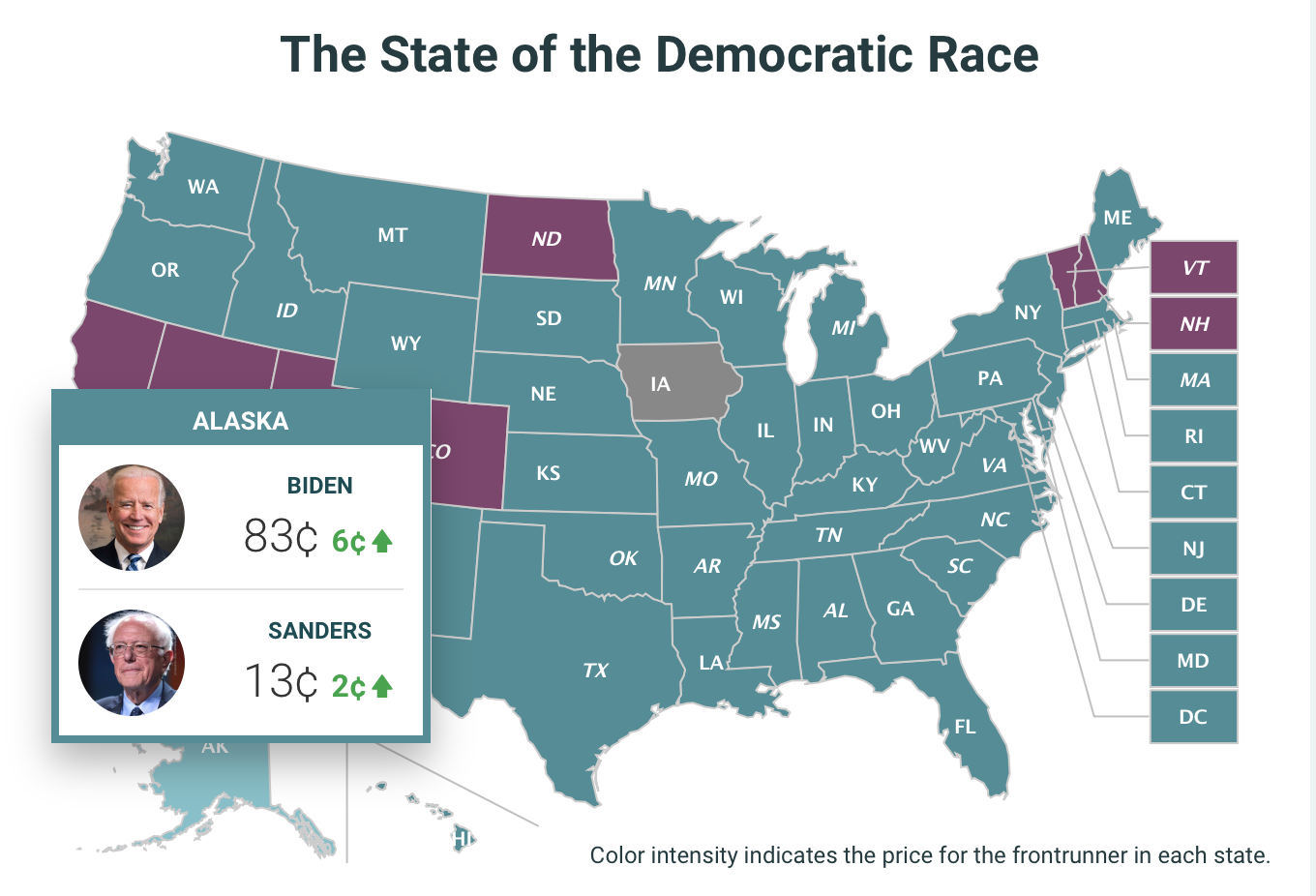
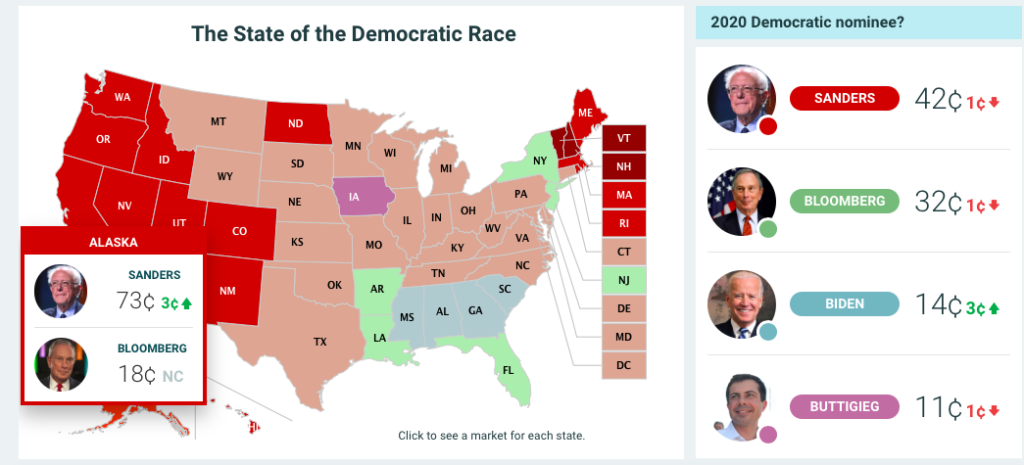
The online betting site, Predictit.org is now showing Biden far in the lead for Alaska, which has historically been Sanders country.
The betting map on March 17, 2020The Predictibetting map on Feb. 14, 2020
Dead Republican voters in House District 15 must be rejoicing today with state voter misconduct and election interference charges being filed against Rep. Gabrielle LeDoux and two cohorts.
If you will recall, LeDoux, a staunch Republicrat and the District 15 incumbent, was absolutely agog after election officials in the 2018 District 15 GOP primary election discovered seven absentee ballot applications — seven — from dead people, not to mention absentee votes cast in the names of at least two very much alive people who said they had not voted.
In all, officials yanked 26 ballots because of residency or legitimacy questions. All the ballots with residency or legitimacy questions, it is worth noting, were for LeDoux.
Unbeknownst to Alaskans, all that triggered a quiet, two-year investigation that culminated with 18 charges against LeDoux, her former chief of staff Lisa Simpson, and Simpson’s son, Caden Vaught. Those charges include five felonies and 13 misdemeanors. The trio was issued summonses to appear in court April 3.
While the case grinds through the justice system, it will be more than a trifle interesting to see how the powers-that-be in the House – the same folks who depend on LeDoux to help control the Democrat-led chamber – deal with her, as she has not been indicted, much less convicted of a crime. They could issue a stern tsk-tsi-tsk, strip her of committee posts, or censure her. Or, they could do nothing.
Precedent is hard to find. Two senators were removed from office in the 1980s – Sen. Milton “Ed” Dankworth, after he was convicted of conflict of interest, and George Homan, after his bribery conviction.
None of the current charges appear to involve the dead voters, but the Department of Law is to be commended for doggedly pursuing the case in the people’s interest – even if the dead voters appear to have escaped justice for the time being. There is nothing as important in our civic affairs as fair and honest elections, the very backbone of our political system.
As for LeDoux, the chips will fall where they may. She should be sure she is not standing beneath them. Perhaps this would be a good time to bid public life an adieu.
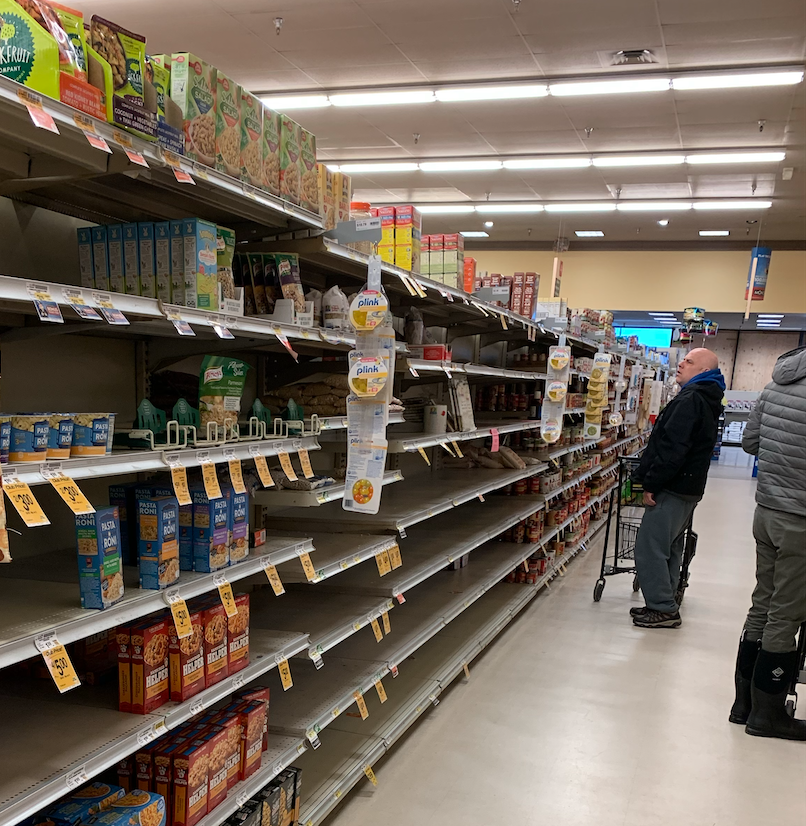
Anchorage residents have been hoarding hand sanitizer and toilet paper for weeks. Now, even the face tissue is gone from shelves, and paper towels are running low at local stores.
This morning, as Costco opened its doors on Dimond Blvd, a line stretched 100 deep, wrapping around the building, and the line looked like it was not moving. But by noon, however, the line was dissipated.
Costco said in an email on Tuesday that it would limit the number of shoppers in all stores to allow social distancing. Shoppers confirmed that policy to Must Read Alaska.
Yes, Must Read Alaska needs a new windshield.
Scouting the shelves at Carrs/Safeway on Huffman Road revealed many sections stripped, as though locusts had come through the store overnight. Potatoes and onions were gone, the meat section was picked over and the baking flour was in short supply. Shelf stockers were working feverishly to restock what they could:
All of this, in response to the coronavirus, which is impacting how people live their lives in America. While they once didn’t feel the need to stock their pantries, now they’re reconsidering, as they face possibly several weeks of self-quarantine, and children home from school for the rest of the school year.
Also, with restaurants having been closed down suddenly, those who usually dine out frequently are finding they’ll need to be more resourceful in their own kitchens until the virus stops finding new hosts or until a vaccine is developed and available.
What I really appreciated about your column on the State’s fiscal picture is that it really helps to lay out the situation the State finds itself in.
For as much as we’ve been facing a deficit for five years, this combination of oil and market drop, along with economic contraction as a result of the coronavirus, puts the State in a very challenging position.
I think you accurately and effectively describe what is a very likely scenario – that the State is very close to essentially being unable to pay for itself.
That scenario also includes a PFD that is essentially zero. In fact, it may be that even with no PFD, the State is still at a deficit. It’s a necessary conversation but difficult.
Part of the challenge, and maybe not articulated directly, is that while the fund source for the PFD is healthy and sustainable, it is how to fund government that remains questionable. This is essentially where Alaska Municipal League has called for new revenue, including in the form of broad-based taxes.
I can imagine there will always be at least two extremes. One, where no tax is a good tax. The other, where there has never been enough money for government. I can’t agree with you that AML lands at the latter.
What we struggle with is that the State does have some fundamental responsibilities, and that also there is increasing unmet need. For us, it is not that there has never been enough money for government, but that there has been insufficient funding at the State level to adequately fulfill Constitutional and statutory obligations.
That means that even during the salad days, the State was still not fully funding school construction and major maintenance. In fact, over the last decade, these needed projects have only been funded at 15% on average.
Even with a zero PFD, will the roof that is collapsing on the school in St. Paul be funded? It’s not in the budget. Nor are the dozens of other projects that are identified as priority by the Department of Education.
In terms of unmet need, we know that there is nearly $2 billion in State deferred maintenance, $1 billion in need for ports and harbors, $2.3 billion for school construction and maintenance, $5 billion in transportation projects, $3 billion in maintenance and construction needs for municipal governments, and $2 billion in need for water and wastewater.
It’s easy to look at that list and say that the State can’t be all things to everyone, or that someone else should pay for them, or that the State can’t subsidize one part of the state and not the other. Except that these are fundamentally government responsibilities – shared between federal, state and local – but the role of the State is to tackle issues that are systemic.
The question in front of us is not whether we can pay a PFD, but whether the State has sufficient resources to address not only its basic functions, and to chip away at unmet needs, but to fulfill essential roles during a crisis. The State has an FY20 Supplemental Budget that reflects a difficult fire season, and the year before that response to earthquake. Does the State have the resources necessary to respond in times of need?
There is definitely an argument to be made that the PFD distributed in full this year would act as an economic stimulus after a dismal travel and tourism season.
We know that Alaskans are going to be negatively impacted during this time, and that economists nationally are talking specifically about a cash infusion. I don’t know what the right answer is, and AML has not taken a position on a PFD amount.
That said, we do know that reducing or eliminating the PFD is a regressive action that affects our most vulnerable disproportionally. That, during a time when they may be most vulnerable.
Talking taxes isn’t out of line in this environment. In fact, the earlier we can discuss an appropriately designed broad-based tax, the better. We’re talking about a development and implementation time of as long as two years. We want that process to be driven by data, so that policy-makers know exactly what impacts look like. Tax doesn’t have to be emotional – many local governments are required by State law to tax, which may be why we’re more comfortable focusing on how to do it right.
I’m happy to be part of a difficult dialogue. I don’t think there are any easy answers. I do believe that our members and your readers benefit from a collaborative approach. How do we strike the right balance in meeting the State’s needs and the interests of Alaskans? How do we do that by working together?
Nils Adreassen is executive director of Alaska Municipal League, but is writing in his capacity as an Alaska.
Gov. Mike Dunleavy today announced the creation of the Alaska Economic Stabilization Team.
The bipartisan group of leaders will work with the Dunleavy administration on a plan to protect the state’s economy from the impact of the Coronavirus Disease (COVID-19) in Alaska.
The group will be led by former Gov. Sean Parnell and former US Sen. Mark Begich. The remaining seats will be filled by a cross section of Alaska’s economic leaders and former elected officials.
“The Coronavirus Disease is exacerbating Alaska’s existing economic challenges and is unfortunately creating new ones,” Dunleavy said. “The Alaska Economic Stabilization Team brings together some of our state’s most experienced leaders in economics, business, and public policy to assess the challenges and recommend decisive policies to protect jobs, hardworking families, and the overall economy.”
“In times like these, Alaskans come together to fight for our state and our future,” said Parnell. “Former U.S. Senator Begich and I are “all in” for Alaska and I pledge to work together with him and others to bring more stability and certainty for Alaskans in the days and months ahead.”
“As political rivals who have publicly disagreed on issues, the easy answer when Governor Dunleavy asked for my participation would have been no, but we are facing a global crisis and I believe we all must do our part to protect Alaska’s families, communities, and economy,” former Sen. Begich said. “There is already so much uncertainty and strain placed on our businesses – both big and small – we can’t afford for partisanship to prevent us from finding a path forward. Those who have worked with me know that I am not afraid of tough conversations so Alaska businesses can feel confident that I will work to make their needs and voices heard.”
AEST will proactively work with the Office of the Governor and the State of Alaska Unified Command Structure to streamline and expedite a comprehensive response to this unprecedented pandemic.
This team will also provide regular updates to legislative leaders to ensure there is no delay in implementing actions that minimize the adverse economic impacts of COVID-19.
The team will also engage with Alaska’s federal delegation, state and local governments, and businesses covering the entire spectrum of industries engaged in Alaska.
U.S. Sen. Mitt Romney on Monday called for $1,000 checks for each American from the government, as part of urgent action on economic relief for working Americans and families during the coronavirus pandemic. President Donald Trump has said he is warm to the idea and that the checks could go out in the next two weeks. Romney’s proposals would:
Immediately Send $1,000 Checks to Each American: Every American adult should immediately receive a one-time check for $1,000 to help ensure families and workers can meet their short-term obligations and increase spending in the economy, he said. Congress took similar action during the 2001 and 2008 recessions. While expansions of paid leave, unemployment insurance, and SNAP benefits are crucial, the check will help fill the gaps for Americans that may not quickly navigate different government options.
Provide Grants to Impacted Small Businesses: Provide bridge grants from the SBA to qualified small businesses that apply but don’t receive Economic Injury Disaster Loans. This program would ensure small businesses can meet short-term obligations, such as payroll and rent, without forcing them into future bankruptcies. An eligible small businesses must exhibit a revenue loss greater than 50% from the same month in the prior year. The program will also include criminal penalties for fraud and an audit by the SBA’s Inspector General to ensure compliance.
Allow “Unexpected Costs Due to COVID-19” as Factor for Pell Grant Amount: To ease the burden on some students who had to make unexpected travel, housing, and storage purchases due to the COVID-19 outbreak, we should amend the Higher Education Act’s “Cost of Attendance” to take into account such costs. Doing this will impact the Pell Grant award amounts and more accurately reflect the current reality for students.
Loan Deferment for Recent Graduates Impacted by COVID-19: Defer the payment of student loans for a period of time to ease the burden of those who are just graduating now, in an economy suffering because of the COVID-19 outbreak.
Require Insurance Plans to Temporarily Cover Telehealth: To protect the health workforce and connect patients with providers, require all private insurance companies (individual, small- and large-group, and self-insured market) to cover telehealth services, if the reason for using telehealth services is related to COVID-19. The federal government would reimburse private plans for the full cost of services. Alaska Gov. Mike Dunleavy signed legislation this week that requires health insurance companies to cover telemedicine.
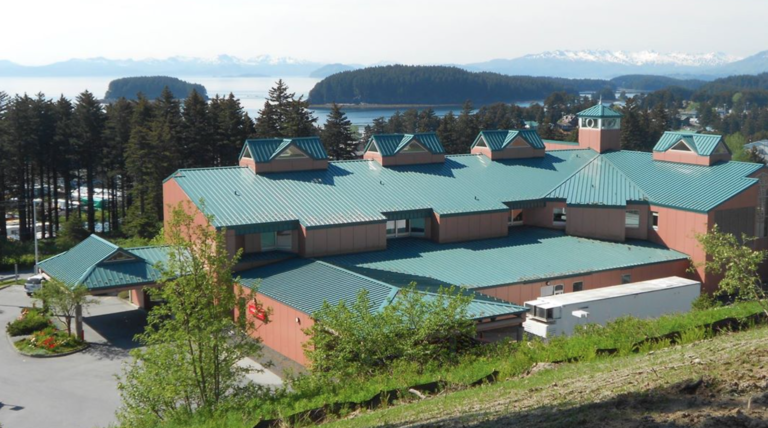
Nurses and medical staff at Kodiak’s only hospital were prepared to strike this Friday, but plans have quickly changed.
The union, representing about 200 employees at the Providence Kodiak Island Medical Center, had in early February unanimously voted to strike indefinitely to force contract terms that relate to sick leave benefits.
The vote came after months of failed talks and an unfair labor practices complaint filed by the Alaska Medical Employees Association against Providence St. Joseph Health, which last week called the strike notice “irresponsible,” in light of the COVID-19 virus.
But late Monday, the union called off the strike, having reached tentative contract terms with Providence that guarantee certain sick leave and time off benefits for health workers. The two sides reached a tentative one-year contract agreement with management, according to the union that represents them.
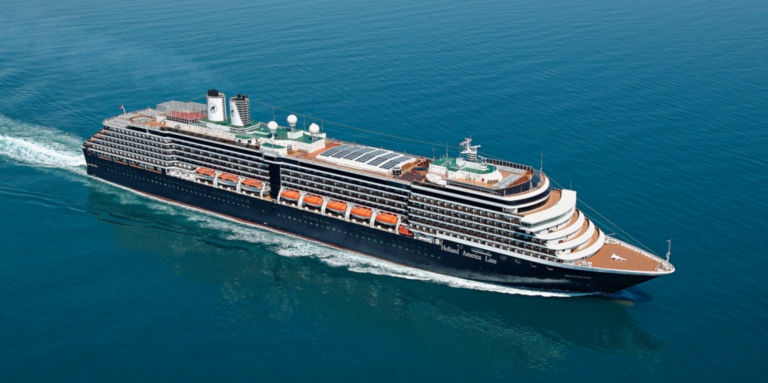
Holland America Line announced last night it will bring the Westerdam to Puerto Vallarta, Mexico, instead of Juneau, where it had been originally scheduled for an extended layover of several weeks at a private dock.
When the company announced a voluntary suspension of global cruise operations on March 13, Holland America reassessed where to put ships during the extended period, which will go longer than originally planned.
The ship was not currently in service after departing Asia, where four cruises were cancelled. Prior to arrival in Puerto Vallarta, the Westerdam will clear U.S. Coast Guard, U.S. Customs and Border Protection, and medical entry requirements in Honolulu on March 16 and 17.
Westerdam departed from Manila, Philippines, on March 2 with no passengers. Aboard ship are 680 crew and 18 contract service staff, all of whom tested negative for COVID-19 in mid-February. Upon arrival to Puerto Vallarta, the ship will have sailed for more than a month with no port calls.
In the early Sixth Century CE, the Byzantine Emperor Justinian had almost restored Roman control over the Western Roman Empire.
The Franks, Lombards, Goths, and Visigoths had ground the Western Empire into dysfunction. The Eastern Empire rose to rescue the West. The East recovered much of the West.
But then the rats appeared. As commerce became available between the East and West, the Bubonic Plague spread. Justinian recalled General Bellisarius and his forces to protect Constantinople, and Europe lapsed into what we know as the Dark Ages.
Fast forward almost a thousand years and Europe is beginning to arise from its barbarian roots. The Venicians, Genoans, and other Italian merchants had re-established trade with the Eastern Empire despite the predations of Muslim piracy. But then, the Plague came again. As best we know, the Bubonic Plague came from Southwest China; sound familiar?
Art Chance
There were several other small outbreaks of The Plague in the ensuing years, but they were largely localized. Commerce once began to burgeon in the Mediterranean and Europe. Once again Europe was beginning to prosper after the fall of the Western Empire and the Muslim incursion into the Mediterraian and Southern Europe. Then as trade with the East increased, the Plague came again in the mid-Fourteenth Century.
Somewhere between 30 and 50 percent of the population of Europe died from the Bubonic Plague in the Fourteenth Century.
The social order we know today resulted from the Black Death. For the first time in history, there was a labor shortage. Most of modern labor law has its origin in the laws passed in response to the loss of labor caused by the Black Death.
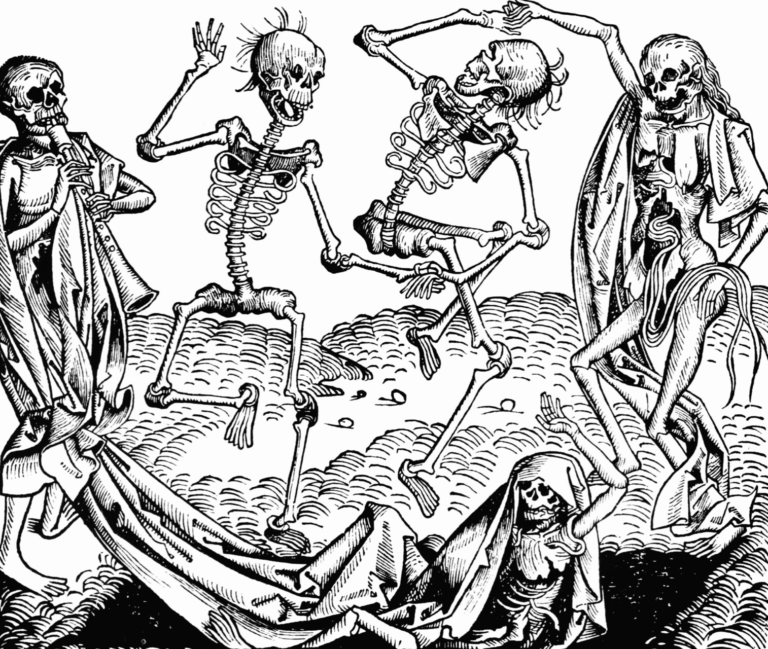
Civilization all but collapsed in the mid-Fourteenth Century. Such as government was in those days, it had no capability to deal with the crisis; the streets were littered with bodies; the cemeteries were unable to handle the bodies. Strange cults emerged and people danced naked through the streets whipping themselves to ward off the Plague. Those who had the resources, secreted themselves to rural retreats to avoid the Plague; today we call it self-quarantine.
There were no antibiotics in the Fourteenth Century. There were no vaccines in the Fourteenth Century. If you survived the Black Plague, it was either luck or your own personal strength.
Fast forward 500 years; I’m old enough to remember the polio epidemics of the early 1950s. We lived in terror. Every edition of “Reader’s Digest” or “Life” had a story of the attractive, athletic teenager who was going to spend the rest of his/her life in an iron lung. If you don’t know what an iron lung is, you should have been there.
I remember the influenza epidemic of the mid-Fifties. Schools closed for awhile; that is the only time I remember that happening. In those days, we were used to getting sick. We lived in wood-heated houses and only a small minority of us had central heat. You called the doctor when you were just short of dying.
For those of you who’ve seen the movie “The Patriot,” remember the scene in the church when the background sound is people coughing; that was the sound of human life in winter 100 years ago and before.
We live a charmed life. Nobody in human history has lived as well or safely as a modern American — no pharaoh, no Caesar, no king, or emperor has ever lived as well and safely as a modern American.
Suck it up; this too will pass. We will survive, after all, our ancestors survived the Black Death.
Art Chance is a retired Director of Labor Relations for the State of Alaska, formerly of Juneau and now living in Anchorage. He is the author of the book, “Red on Blue, Establishing a Republican Governance,” available at Amazon.