
Nearly 200 member nations agreed on Wednesday to move away from fossil fuels. The vote was the first time in the 28 years of the United Nations Climate Change Conference that countries have made a pledge of this nature.
The agreement does not call for an outright phasing out of oil, gas, or and coal, and it doesn’t prescribe exactly how each country will “transition” from these fuels.
“Humanity has finally done what is long, long, long overdue,” said Wopke Hoekstra, European Union commissioner for climate action. “Thirty years, 30 years! … we spent to arrive at the beginning of the end of fossil fuels.”
The deal resulted from two weeks of negotiations at the conference known as COP 28. The transition will be done in “a just, orderly and equitable manner” but should accelerate this decade and achieve net-zero greenhouse gas emissions in 26 years — by 2050. The agreement is not legally binding, but it is likely to have the effect of giving the eco-industry more political power.
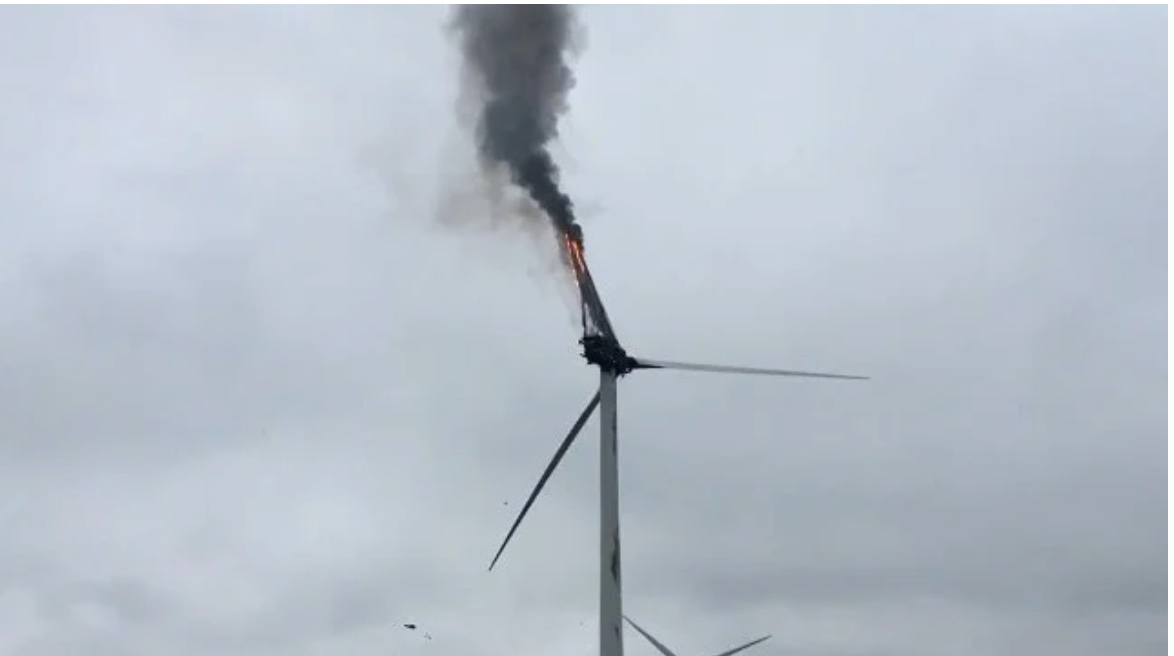
The agreement was announced as major wind projects are failing in the United States and electric vehicle manufacturers are cutting back production due to lagging sales, said Daniel Turner founder and director of Power the Future.
“This joke of an agreement really only has two goals: allow Joe Biden to continue his war on American energy and ensure these elitists have something to do before next year’s COP29 exclusive junket,” Turner said. “These unelected bureaucrats can smile as they board their carbon-spewing private jets knowing feckless leaders like Joe Biden will continue to do their bidding in pursuit of a fanciful and misguided agenda.”
Alaska is dependent on oil, with as much as 85% of the state’s unrestricted general fund revenue coming from oil production, according to state estimates.
In an announcement from the State Department last week, nuclear power is going to get a lot more attention.
The United States, Canada, Japan, France, and the United Kingdom, known as the “Sapporo 5,” announced their support for increased deployment of zero-carbon, peaceful nuclear energy by “expanding nuclear fuel production capacity across trusted, high-quality suppliers free from manipulation and influence.”
The Sapporo 5 will work to mobilize at least $4.2 billion in government-led and private investment in the five nations’ collective enrichment and conversion capacity over the next three years, with a view to further additional private sector finance, and the five invited all like-minded nations “to join in securing the global uranium supply chain.”
The State Department wrote, “The United States is committed to supporting the use of all clean energy technologies, including nuclear, to power global decarbonization efforts and provide energy security and independence to partners around the world.”


