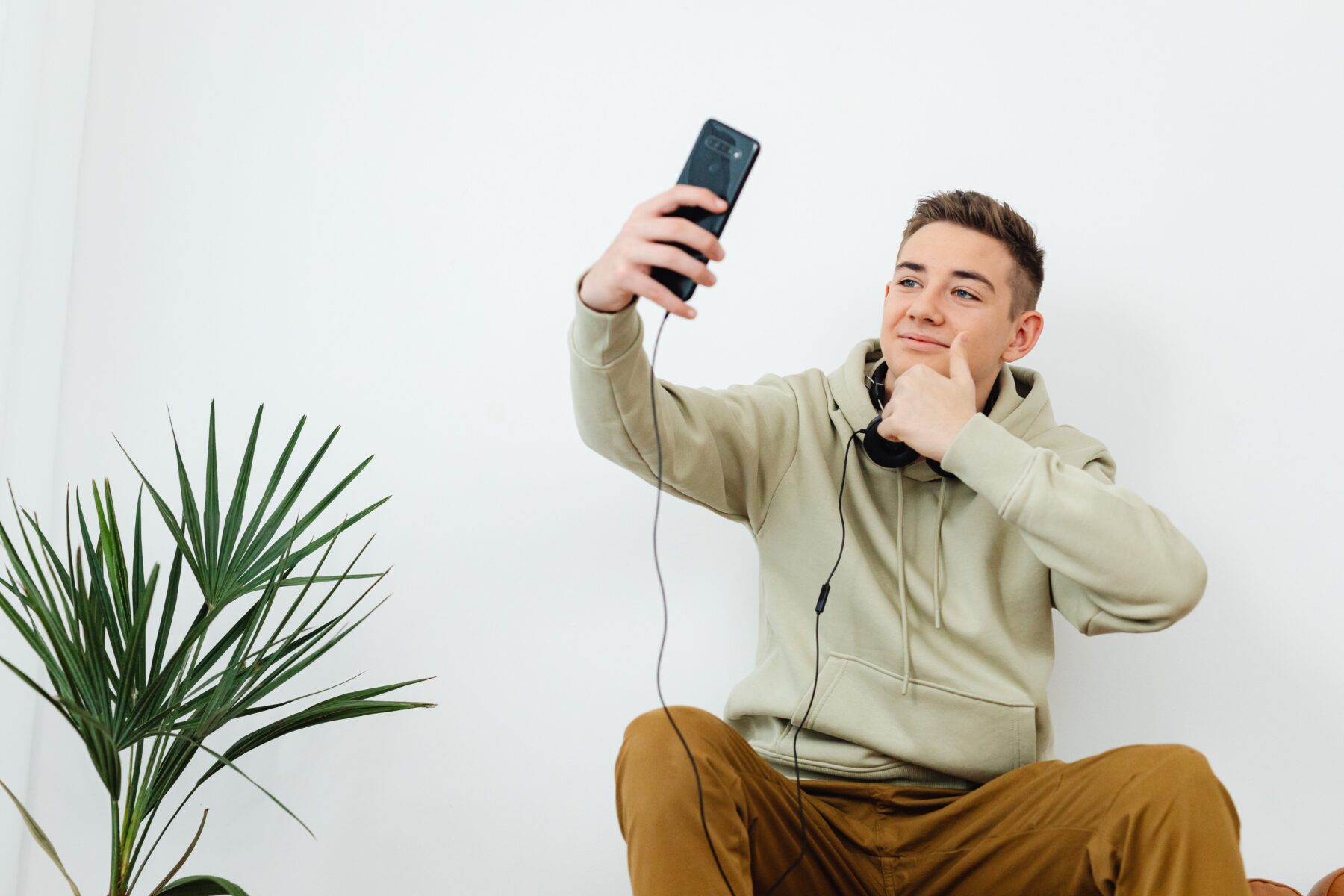
The human brain undergoes profound development during childhood and adolescence. The frontal lobe— responsible for executive functions like impulse control, decision-making, planning, emotional regulation, and long-term consequence evaluation— matures last, often not fully until the mid-20s. This developmental gap makes young people particularly susceptible to the dopamine-driven, algorithm-fueled world of unrestricted internet and social media use. Without supervision, constant exposure rewires neural pathways in harmful ways, contributing to rising rates of anxiety, depression, attention disorders, and social dysfunction.
The available research on overexposure in young people paints a concerning picture. A longitudinal UNC Chapel Hill study tracked adolescents aged 12-13 who habitually checked social media 15 or more times daily. Over three years, MRI scans revealed heightened sensitivity in brain regions handling social rewards and punishments, such as the ventral striatum and prefrontal areas. These teens became more reactive to likes, comments, and exclusion, amplifying emotional volatility during an already turbulent developmental phase. Other research links heavy use to changes in the dorsolateral prefrontal cortex, impairing judgment and self-regulation. The American Psychological Association notes that adolescents’ ventral striatum is hypersensitive to social feedback, unlike the more mature prefrontal cortices of adults.
We do not have to look far to see negative examples play out in everyday life. A teen girl scrolls Instagram, bombarded by filtered ideals, and develops body dysmorphia, restrictive eating, and plummeting self-esteem. Cyberbullying via Snapchat or TikTok escalates into relentless harassment, pushing vulnerable youth toward self-harm or suicidal ideation. Boys gaming or doom-scrolling for hours neglect schoolwork, sports, and sleep, fostering isolation and irritability. “Fear of missing out” keeps devices bedside, disrupting melatonin production and deepening depression. Excessive use correlates with poor sleep, academic decline, social withdrawal, and increased loneliness— despite the promise of constant “connectivity.”
The U.S. Surgeon General’s advisory highlights these potential harms: altered emotional regulation, impulse control issues, and heightened sensitivity to social feedback. Spending over three hours daily on social media roughly doubles the risk of anxiety and depression in 12- to 15-year-olds. Systematic reviews associate social networking with psychological distress, particularly among girls and youth already struggling with mental health.
Recent guidance on healthy limits emphasizes moderation over rigid rules. The American Academy of Pediatrics avoids one-size-fits-all restrictions but stresses high-quality, co-viewed content for young children, recreational limits of under two hours for older kids where possible, and individualized family media plans. Experts recommend tech-free zones (bedrooms, dinner tables), no screens one to two hours before bed, and prioritizing sleep, exercise, and in-person interaction. For ages 2-5, the recommendation is one hour or less of educational content daily; for school-age children, the focus shifts from strict totals to overall balance.
Parents play a pivotal role as the first educators of their children, and society is increasingly holding parents accountable for their children’s online conduct. Parents must model healthy habits, set clear boundaries, monitor activity, and engage in ongoing conversations about online citizenship. Co-creating family media plans, using parental controls, and fostering open dialogue without judgment all build trust. Unsupervised access is akin to handing a developing driver the keys to a high-speed car without training. Proactive parental involvement protects neural development and teaches discernment.
Throughout these developmental years, godly virtue and prayer offer profound protection. Cultivating habits of prayer, scripture study, service, and moral discipline strengthens the prefrontal cortex indirectly by building self-control, resilience, and purpose. One Harvard study found that children who prayed or meditated daily were more likely to report higher happiness, greater positivity, and lower rates of depression in young adulthood, along with fewer risky behaviors. Personal prayer correlates negatively with depressive symptoms, offering coping mechanisms rooted in faith rather than fleeting digital validation.
Virtues like temperance, humility, and charity— instilled through family prayer, church involvement, and sound biblical teaching— counter social media’s vices of envy, vanity, and instant gratification. A child raised in daily prayer learns to seek internal peace from God rather than external validation through likes. This practice forms neural pathways of delayed gratification and emotional stability, shielding against disorder into adulthood. Faith communities provide real belonging, reducing isolation far more effectively than virtual ones ever could.
Healthy, wholesome alternatives abound: outdoor play, sports, reading, music, family meals, service projects, and creative hobbies. These activities build genuine skills, relationships, and a sense of accomplishment that no algorithm can replicate. Nature walks, board games, gardening, and volunteering foster wonder and connection. Replacing scrolling with prayerful reflection or scripture memorization nurtures the soul, while limiting devices creates space for the contemplative silence essential to frontal lobe maturation.
In a world of algorithmic exploitation, parents guided by faith can reclaim childhood. By enforcing limits, modeling virtue, and prioritizing prayer, they raise well-adjusted adults resilient to modern pressures. Unrestricted digital immersion risks a generation untethered from reality; godly formation anchors young people in truth, purpose, and enduring mental health. The choice is clear: guard the developing mind with wisdom, boundaries, and divine grace for the sake of a flourishing future.
Sources
Maza, M.T., Fox, K.A., Kwon, S., et al. “Association of Habitual Checking Behaviors on Social Media With Longitudinal Functional Brain Development.” JAMA Pediatrics, 2023;177(2):160–167. doi:10.1001/jamapediatrics.2022.4924
U.S. Department of Health and Human Services, Office of the Surgeon General. Social Media a..nd Youth Mental Health: The U.S. Surgeon General’s Advisory. 2023.
American Psychological Association. Health Advisory on Social Media Use in Adolescence. 2023.
Chen, Y. & VanderWeele, T.J. “Associations of Religious Upbringing With Subsequent Health and Well-Being From Adolescence to Young Adulthood: An Outcome-Wide Analysis.” American Journal of Epidemiology, 2018;187(11):2355–2364.
American Academy of Pediatrics. Media use guidance (updated recommendations); see also AAP policy statement, “Digital Ecosystems, Children, and Adolescents,” Pediatrics, 2026;157(2).