
By Steve Agni, Head of O’Malley Ice and Sport
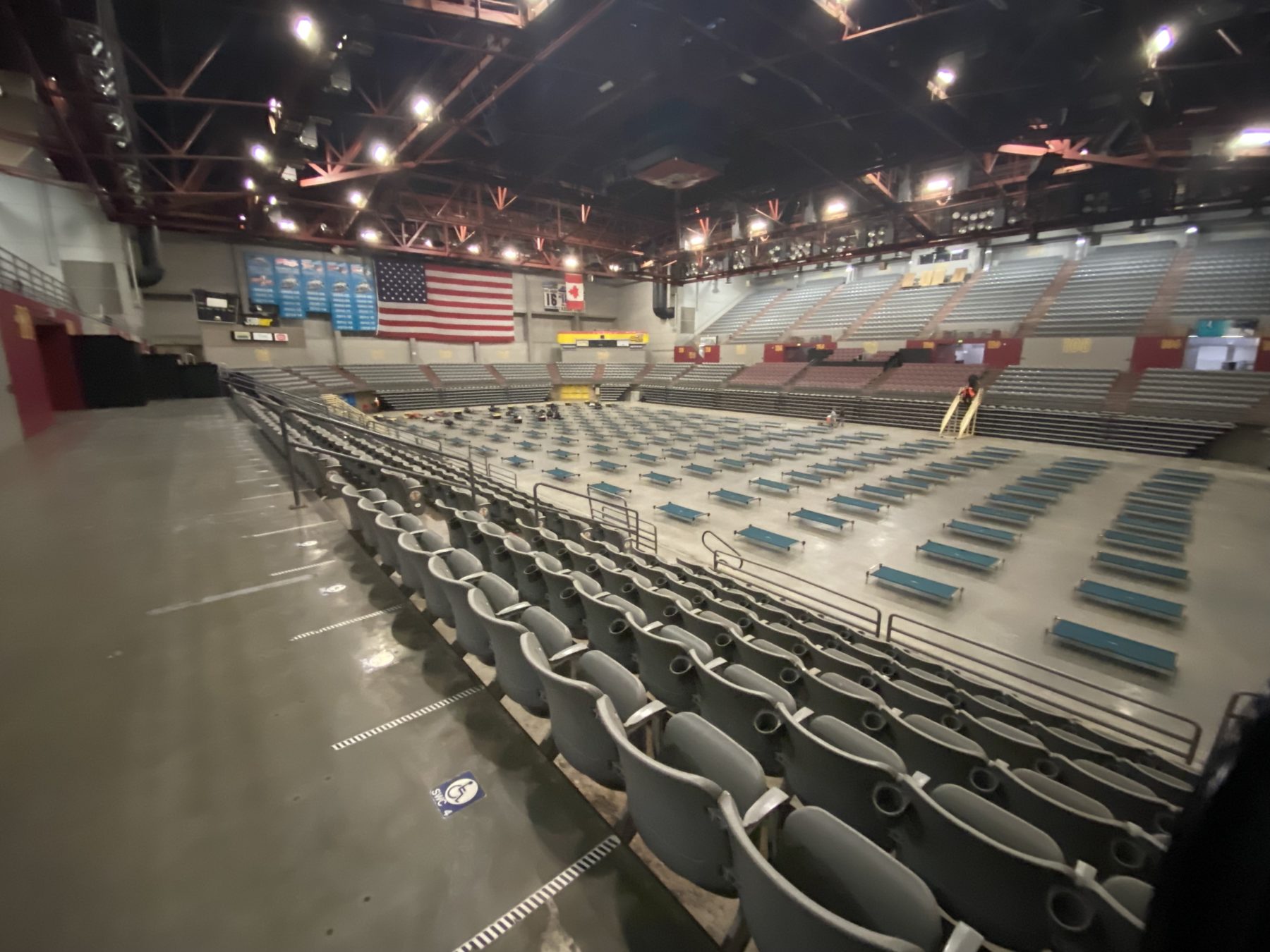
When O’Malley Ice and Sports replied as the sole Company willing to manage Anchorage’s ice arenas, we did not expect the contracts to make money. We understood they were aged facilities with structural deficits, deferred maintenance, and complex politics. Our goal was simple: Use our experience to restore the skating community after COVID and bring some normalcy back to Anchorage by returning the “Sully” to its original purpose: a venue for hockey and community events. Everyone agrees we succeeded on both accounts!
It is now painful and undeserved to see our work described in ADN coverage with phrases like “mismanagement,” and a narrative built on partial truths and omissions, not the full record. I was not “unavailable for comment.” I have checked my call logs and cannot find any attempt by the ADN to reach me. More importantly, framing our contract as a “Bronson-era deal” ignores what actually happened the past several years.

Under our contracts, O’Malley did not receive start-up funding or operating subsidy. We took over Ben Boeke and Dempsey Anderson having to carry all operating risks. Even so, they became cash flow positive to the MOA, We increased their utilization, and transferred more than $570,000 to the MOA in maintenance subsidies, capital reserves, revenue shares, and other payments; while also funding repairs and replacements in the buildings. That is not “mismanagement.”
The Sullivan story is more complex than headlines can capture. The article itself acknowledges the MOA did not fully discharge its responsibilities, especially around deferred maintenance and the wastage of utilities inherent in the aged building. From the onset, we brought to the MOA’s attention the problems in the physical plant, operating responsibilities and the contract shortcomings.
We documented, in detail needed repairs, replacements, and equipment purchases never addressed during the commissioning process that were necessary to make the Sullivan operational and code-compliant. In August 2024, we submitted a reimbursement report describing more than $191,000 in completed work and another $112,000 of recommended repairs and replacements at actual hard cost with no markup. We also made clear that all MOA surcharges and fees for Sullivan were offset and more— by $340,000 in documented improvements we had funded.
The same transparency applied to utilities. In spring 2025, we informed the MOA that the Sullivan could not realistically be operated if full utility costs were pushed through the manager onto the users and patrons. We offered a defined annual “allowance” of about $100,000 toward utilities, with the balance recognized as a municipal responsibility for the aging public arena. We asked MOA to document that approach in an amendment, but they refused even though we had no control over utilities, building heat, or ventilation. In the meantime, we continued to reopen the long-closed arena in a post-pandemic environment, hosting youth hockey, community events, while absorbing the shock of a force majeure cancellation of a marquee Lynyrd Skynyrd relaunch concert; where more than $300,000 in ticket costs and fees were fully refunded to the public and vendors, even as the expected revenue vanished. Those acts are not a picture of an operator trying to avoid its obligations. They clearly describe an operator acting responsibly to keep public facilities open under a contract everyone now agrees was flawed.
The new arena contracts with substantial operating subsidies and clearer allocations of responsibility are a clear recognition that the original framework was not workable. We sincerely wish the best for the new operators, and we hope they are allowed to manage these important assets based on facts and performance rather than deliberately applying political labels like the “Bronson era.”
There is an old saying that no good deed goes unpunished. That is how this chapter feels. We stepped in when no one else bid, and reopened a major community venue, funded repairs, and operated without a subsidy, now to be told that our efforts should be understood primarily through political labels, sound bites, and poorly researched news accounts.
Anchorage deserves better. These facilities are not partisan talking points; they are places kids learn to skate, families gather, and community congregates. As the city implements the new contracts, I hope we all agree on one principle: Decisions about the arenas should be based on a factual record of what has been accomplished to date, what has failed, and what it will cost to keep them open; not on slogans about who signed which agreement in which administration.


