
The Energy Department will start buying oil to refill the U.S. Strategic Petroleum Reserve at a price below $96 per barrel, the department announced today. Earlier the government said it would be lower than $72 a barrel, while $96 per barrel is the average price it was sold for over the past year that the Biden Administration has been draining the Strategic Petroleum Reserve.
The replenishment of the nation’s emergency fuel reserve will start with a repurchase of about 3 million barrels of oil.
“This initial step to fulfilling the President’s replenishment strategy follows his historic release from the SPR to address the significant global supply disruption caused by Putin’s war on Ukraine and provide a wartime bridge for domestic production to increase. The releases have helped lower gas prices for American families. National retail gas prices are now the cheapest since September 2021 and are down by over $1.80 per gallon since their peak in June 2022. DOE must receive bids for this notice no later than 10:00 a.m. Central Time on Wednesday, December 28, 2022,” the department announced. Deliveries will be expected by February.
The solicitation is posted to FedConnect, Sam.gov, and SPR websites. The Strategic Petroleum Reserve has been drained by the Biden Administration to the lowest level since 1986, and was timed to try to improve the fortunes of Democrats in the midterm elections by helping to drive prices for consumers down.
Energy Dept. to start refilling Strategic Petroleum Reserve

John Boyle is new commissioner of DNR
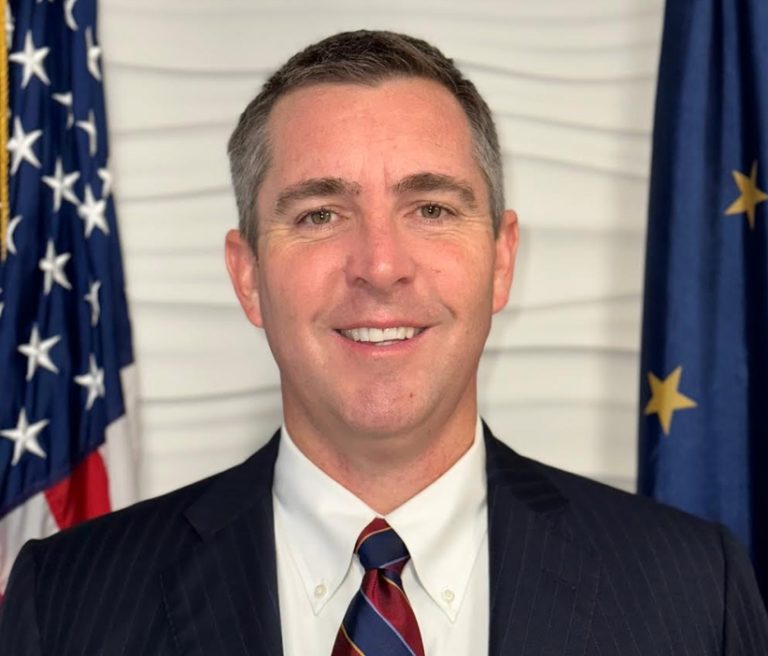
Gov. Mike Dunleavy today appointed John Boyle to serve as Commissioner of the Alaska Department of Natural Resources. He replaces acting Commissioner Akis Gialopsos.
“Commissioner Boyle will serve both the department and Alaskans with distinction, “said Gov. Dunleavy. “His legal training, knowledge of Alaska’s resource industries and commitment to developing our resources to the maximum benefit of all Alaskans, and in the safest possible manner, make him an excellent choice to lead the department during my second term.”
Boyle moved to Alaska in 2010 after graduating law school to serve a judicial clerkship in Fairbanks. Following the conclusion of the clerkship, he moved to Utqiagvik to work as an Assistant Borough Attorney and later Chief Advisor to the Mayor and Director of the North Slope Borough’s Government and External Affairs department. In 2016 he moved over to BP as their Director of Government Affairs before joining Oil Search (now Santos) as Government Affairs Manager.
He earned a Juris Doctorate from J. Ruben Clark Law School at Brigham Young University and a Bachelor of Science in Management and Finance at Brigham Young University.
Boyle and his wife Rosie live in Anchorage with their two children. His first day as commissioner will be Jan. 6, 2023.
House Republicans will investigate origins of Covid-19
By CASEY HARPER | THE CENTER SQUARE
House Republicans have made it clear they plan to use their newfound majority to investigate the origins of COVID-19.
House Committee on Oversight and Reform Ranking Member James Comer, R-Ky., and House Committee on the Judiciary Ranking Member Jim Jordan, R-Ohio, sent a string of letters to Biden administration officials demanding records, communications and interviews.
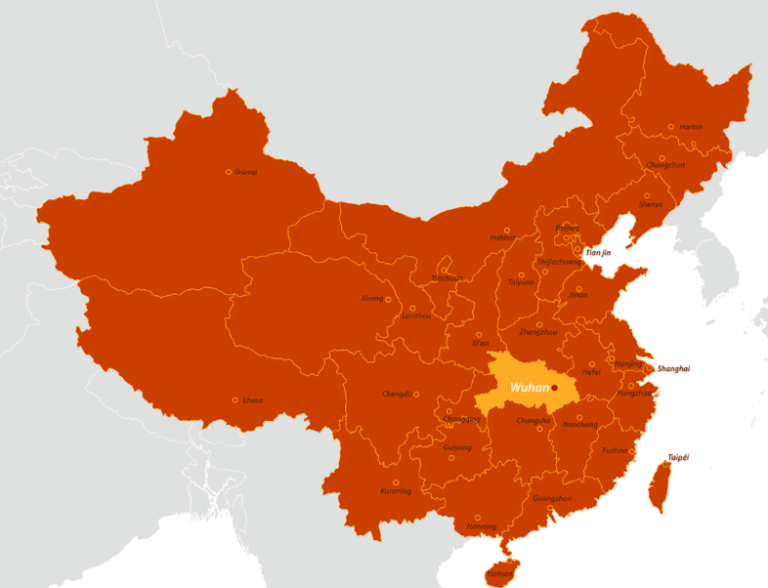
“Mounting evidence points to the virus originating from a leak at the Wuhan lab,” Comer said. “EcoHealth Alliance, a U.S. National Institutes of Health grantee, passed taxpayer funds to the Wuhan lab to conduct gain of function research on bat coronaviruses – research that may have started the pandemic. Dr. [Anthony] Fauci was warned early on that the virus appeared man made and pointed to a lab leak and instead of blowing the whistle may have attempted to cover it up.”
House Republicans will have new teeth for their investigations with the majority next year. Lawmakers have highlighted three major investigations going forward: Covid’s origins, Hunter Biden’s laptop, and the withdrawal of U.S. troops from Afghanistan and the related chaos and deaths.
U.S. Rep. Brad Wenstrup, R-Ohio, a member of the House Permanent Select Committee on Intelligence, weighed in as well. He pointed to the recently released report on Covid-19 origins from his committee.
That report said the Biden administration and intelligence communities have not given up the information sought by Congress and raised serious concerns that the American people were misled by the IC about Covid’s origins and that Health and Human Services knew about the risk of funding the Wuhan research but proceeded anyway.
The committee also said that intelligence agencies were quick to say that Covid-19 could become a pandemic but missed an opportunity to spy on the Chinese doctors and officials involved, an opportunity that could have provided invaluable insight into the origin of the virus.
“The American people are owed answers about the origins of Covid-19. Our report states that Covid–19 may have been tied to China’s bioweapons research program and that the Intelligence Community (IC) withheld key information from the American public’s authorized elected officials, deepening public mistrust,” Wenstrup said. “Our findings also show that the Chinese Communist Party (CCP) bears more responsibility for the Covid–19 pandemic than what has been publicly known or transparently communicated to the American people.”
Until answers are found, Congress will keep seeking information, Republicans say.
“The American people deserve answers and accountability. We will continue to follow the facts to determine what, if anything, could have been done differently to guard against the harms Americans have endured during the pandemic,” Comer said. “We will continue this oversight to hold U.S. government officials accountable for any wrongdoing and ensure Americans’ tax dollars aren’t being used on risky research at unsecure labs.”
Casey Harper is a Senior Reporter for the Washington, D.C. Bureau. He previously worked for The Daily Caller, The Hill, and Sinclair Broadcast Group. A graduate of Hillsdale College, Casey’s work has also appeared in Fox News, Fox Business, and USA Today.
Sullivan: Here come funds for Nome deep port

The National Defense Authorization Act has key victories for Alaska strategic infrastructure, the result of work by Sen. Dan Sullivan. Among those victories is increased funding for the Nome Arctic Deep Draft Port, and authorization for the Elim Subsistence Harbor project.
Sullivan, a member of the Senate Environment and Public Works Committee, celebrated the passage yesterday of the Water Resources Development Act of 2022 on the Senate floor by a vote of 83 to 11 as part of the National Defense Authorization Act.
“Alaska is a resource-rich, but infrastructure-poor state,” Sullivan said. “The Army Corps of Engineers continues to do its vital work throughout Alaska, and this legislation provides the tools needed to support new water resources infrastructure and improve existing projects. Since serving as a senator for Alaska, I’ve been advocating for projects that will help our state realize its full economic potential and keep our citizens safe.
“I also want to thank my fellow committee members for their continued recognition of the vital role Nome’s deep-water port will play in advancing America’s capabilities in the Arctic. The Port of Nome is positioned to play a critical role in ensuring the United States is a leader in the Arctic region in terms of national security, international trade, and geopolitical influence.”
Key provisions for Alaska in WRDA 2022:
- – In recognition of the strategic importance to the nation, the bill modifies the cost share for Nome Arctic Deep Draft Port to provide the community with an estimated savings of $132 million.
- – Creates a program for projects to address storm damage prevention and reduction, coastal erosion, and ice and glacial damage in Alaska with a 10% cost share for economically-disadvantaged communities.
- – Authorizes the navigation project for the Elim Subsistence Harbor: Federal cost share: $99.057 million. Nonfederal cost-share: $2.517 million. Total cost: $101.574 million.
- – Authorizes the Corps to dredge a deeper entrance channel in Unalaska Bay to meet keel clearance safety standards while maintaining the cost share for the community at the existing amount.
- – Provides relief to the City of St. George from retroactive cost increases associated with the previously completed harbor project.
- – Directs the Corps to expedite the Juneau Auke Bay wave attenuator study, and, upon completion, to immediately proceed to preconstruction planning, engineering, and design.
- – Authorizes and improves the Tribal Partnership Program, revising the cost share requirements for projects and studies carried out in partnership with Indian tribes.
- – Requires each Corps district to have on staff a Tribal liaison to serve as a direct line of communication between the District Commander and the Tribal communities.
- – Improves the technical assistance authorities of the Corps.
Timeline on the Port of Nome Expansion:
- Water resource projects developed by the U.S. Army Corps undergo a multi-stage process. Each stage of the process must qualify for an existing authorization or receive a separate authorization from Congress, as well as receive congressional appropriation at each stage to proceed. Congress authorizes the Corps’ actions through periodic Water Resource Development Acts in the Senate EPW Committee and the House Committee on Transportation and Infrastructure.
In 2012, the Corps launched the Alaska Deep Draft Arctic Port System Study to evaluate potential locations on the northern and western coasts of Alaska, and to determine the feasibility of constructing navigation improvements as part of a larger system of port facilities in the Arctic and sub-Arctic region. Following the selection of Nome as the location for an Arctic port, the Corps began a feasibility study, assessing the costs of the port versus the benefits. The Corps paused the feasibility study following the departure of Shell Oil Company from the Arctic, which significantly tipped the cost-benefit ratio against the port project.- In the 2016 Water Infrastructure Improvements for the Nation Act, Senator Sullivan and the late Rep. Don Young included two provisions to justify a potential Arctic port based on its value to surrounding communities and its importance to national security.
- In 2017, following enactment of the WIIN Act, senior Corps leaders committed to Sullivan and Young to utilize the new authority to restart the feasibility study for the port.
- On February 2, 2018, the City of Nome and the Corps initiated a cost-sharing agreement.
- On October 23, 2018, President Trump signed America’s Water Infrastructure Act (AWIA), which included Sullivan-Young language to expedite completion of a Corps feasibility study for the Nome port.
- On May 29, 2020, the Corps announced the completion of the chief’s report for the Port of Nome Modification Feasibility Study, making the project eligible for congressional authorization and funding.
- In December 2020, President Trump signed the Water Resources Development Act (WRDA) of 2020, which included language, championed by Sullivan and Young, authorizing $379 million for the federal share of the Nome Deep Draft Port Project.
- On November 15, 2021, the Infrastructure Investment and Jobs Act (IIJA) was signed into law. The bill provides $250 million over five years for the construction of remote and subsistence harbor projects. These projects are in locations that are not connected to a road system, and the ports are vital to the long-term viability of the community.
- On January 19, 2022, the Corps of Engineers announced that the entire $250 million from the IIJA for remote and subsistence harbor projects will be directed to the Port of Nome.
- On July 28, 2022, the Senate passed the Water Resources Development Act of 2022. The legislation includes key victories for Alaska infrastructure, including increased cost-sharing for the Nome Deep Draft Port Project.
Senate passes defense spending bill ending Pentagon’s vaccine mandate; Sullivan and Murkowski duck issue

The $858 billion in national defense spending passed by the Senate on Thursday also rolled back the U.S. military’s Covid-19 vaccine mandate. Thirteen Republican senators fought to end the vaccine mandate for military members, but neither of Alaska’s senators were among them.
The bill now heads to President Joe Biden, after the House already approved the $858 billion National Defense Authorization Act for fiscal year 2023.
“President Biden’s draconian military COVID vaccine mandate is a slap in the face to the men and women who pledged to serve our nation. My @SenateGOP colleagues and I led the fight to repeal the mandate,” wrote Sen. Marsha Blackburn of Tennessee.
The repeal of the military’s Covid vaccine mandate was the work of Republicans who pushed for it, including Sen. Ron Johnson, who also offered an amendment that would force the military to reinstate those it discharged for refusing to accept the Covid vaccine. His amendment did not pass.
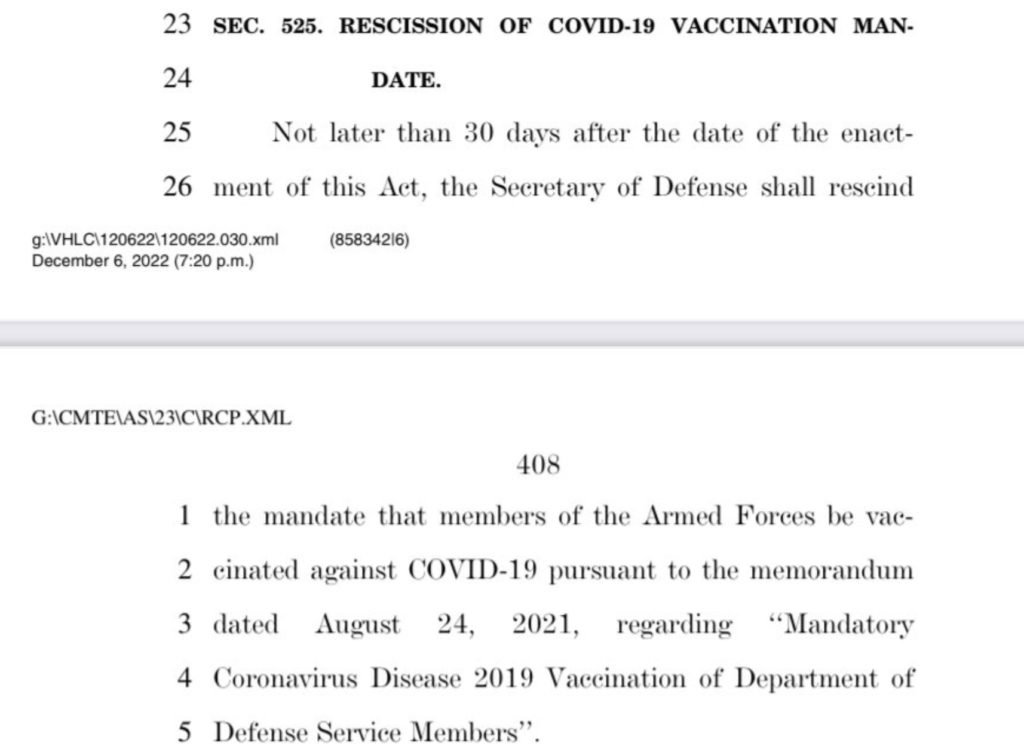
The 13 GOP senators led by Sen. Rand Paul of Kentucky who dug in their heels and said they would not vote for the annual defense bill if the vaccine requirement was not rescinded were Senators Lindsey Graham, Rick Scott, Mike Lee, Ted Cruz, Ron Johnson, Mike Braun, Roger Marshall, M.D., Tommy Tuberville, Marco Rubio, Steve Daines, Cindy Hyde-Smith, and Josh Hawley.
President Biden opposes the repeal of the vaccine mandate in the military.
New source of revenue for Alaska: Carbon credits

In all the decades that Alaska sold timber, it only received a few tens of million of dollars in revenues. But in the Clinton Administration, the federal government locked up the Tongass National Forest and the timber industry in Alaska all but dried up. There was just not enough in state forests alone to ever be commercially viable.
Now, Gov. Mike Dunleavy is looking at selling carbon credits for at least some of the forested land that is not harvestable. It’s done in other parts of the world and, with carbon credits, the state could make up to $1 billion a year in revenue. It will take years to roll out but if Alaska can’t cut the trees, can it profit from that sequestration of carbon in this new business of carbon credits? Gov. Mike Dunleavy wants to find out, and he needs the Legislature to pass a bill allowing him to develop contracts.
What he will propose is a carbon credit program for some forest lands and depleted oil basins, and even for seaweed forests off of the coast of Alaska.
Dunleavy said a firm has approached the state and said that such a program could yield more than $30 billion over 20 years, if Alaska will leave some forests intact. It would not prohibit other uses of the land, such as recreation, but the trees would not be cut in exchange for billions of dollars.
State budget stays flat: Spending down 4% since 2019
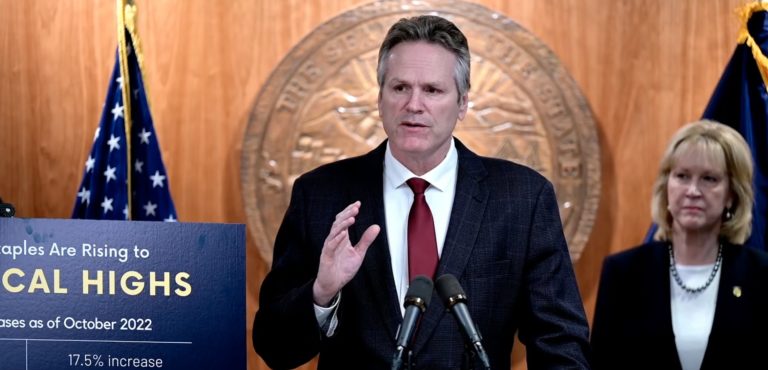
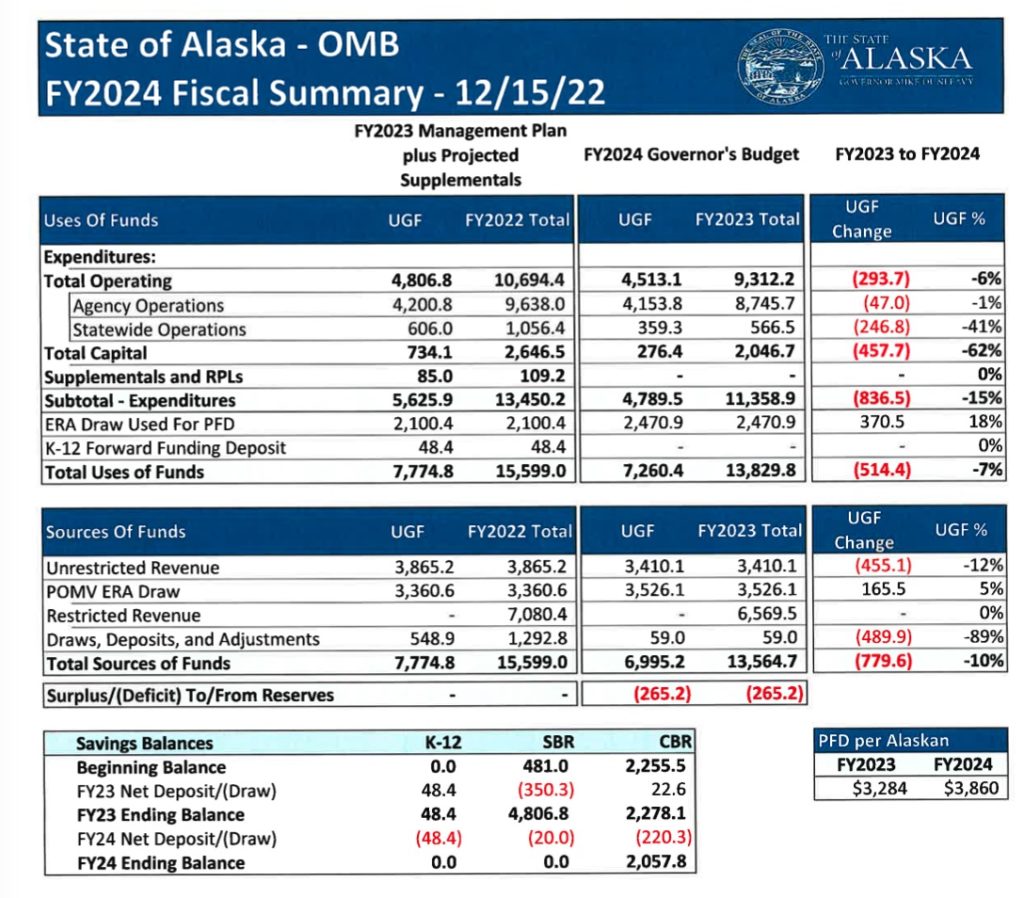
Gov. Mike Dunleavy rolled out his state budget for fiscal year 2024 today, a budget year that starts July 1. The proposed budget reflects a flat spending strategy, with fully funded essential state services during a time when oil revenues are down by $1.8 billion year over year.
Dunleavy is again funding a “statutory Permanent Fund dividend” of about $4,000 per eligible Alaskan, and the overall budget has a deficit of about $265 million, which, after tapping the Constitutional Budget Reserve, will leave about $2 billion in that reserve fund.
The numbers underscore a commitment to fiscal discipline, which is what the governor ran on. This in the face of inflation running at over 7%, the overall budget reduction year over year is 15%.
The Capital Budget is pegged at $200 million to leverage $1 billion in federal dollars. Capital spending is seeing a $457 million in reduction, and the operating budget will have about $378 million in reductions, for an overall spending reduction of $836 million year over year.
Over the course of his administration, Dunleavy has retired millions of dollars in debt, which frees up some financial flexibility for the state. By using the bigger revenues in past years to pay off debt and liabilities, the state is no longer making the same kind of debt payments. It’s like the state doesn’t have credit card debt, so has more liquidity.
He’s asking state agencies to use their existing unfilled positions, or PCNs, to help keep operational costs flat.
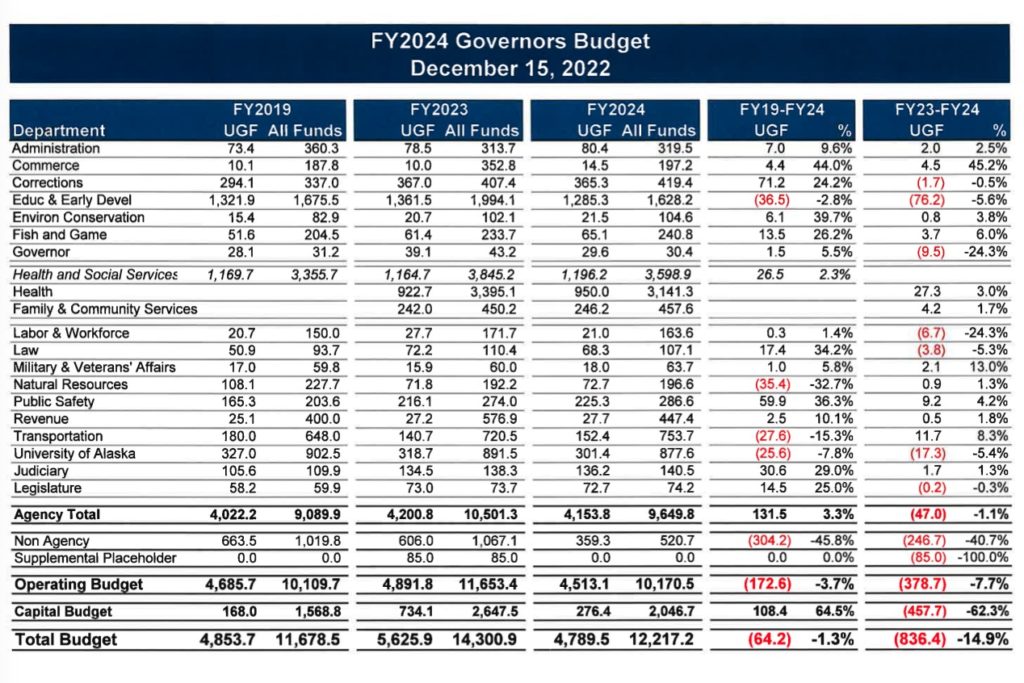
Other highlights include: Fully funded Power Cost Equalization programs for rural areas, fully funded education, but no increases and no forward-funding, due to revenue shortfalls.
Budget highlights:
- FY23 revenue estimate is down $1.8 billion from when the govenor signed the current budget in June.
- The statutory PFD should be almost $4,000 per eligible Alaskan
- FY 2024 projected deficit is $265 million
- The Constitutional Budget Reserve will have a $2 billion balance
- $25 million – Energy projects for Alaska Energy Authority, including rural power system upgrades, bulk fuel upgrades, hydro development and renewable energy/efficiency projects, and grid resiliency
- $5 million for marketing of Alaska through Department of Commerce Community and Economic Development
- $14.2 million for Public Safety capital investments, including post remodel and expansion, patrol vessel replacement, investigative and forensic electronic equipment
- $3.3 million – 30 DPS Trooper support and administrative positions, to help get troopers out doing their jobs
- $5 million – Rural professional housing (expanded scope and funding)
- $10 million – University of Alaska drone program, with the idea that Alaska can become drone technology research capital
- $2 million – Expand the WWAMI program to add 10 more physician training slots
- $11 million – Statehood defense investment, including funding for research, science, and legal, to be prepared to fight the federal government if it tries to cut off the ability of the state to access resources
- $4 million – New cabins and park sanitation stations, to make them more accessible to those with disabilities
- $9.5 million – Healthy Families Initiatives to address things like congenital syphilis and tuberculosis, recruitment and retention of health professionals to Alaska, and expand postpartum Medicaid coverage
- $6.4 million – Year 2 of the Department of Education reading program approved last year
- $4.6 million – DGF capital projects for food security programs, including animal bank, Alaska marine salmon program, Arctic fisheries, and Central Region fisheries management sonar replacement
- $3 million – Three-phase power extensions and upgrades to Delta Farm Region and Co-op
- $4.1 million – Department of Corrections capital projects, including Point Mac Correctional Farm produce processing plant and statewide security doors and windows
- $2.5 million – DMVA State Defense Force
- $2 million – Labor Business Enterprise program, including a political program for a new day care in Mat-Su
- $1.5 million – Department of Health community-based senior grants cost of living
- $1 million – Alaska Native Science Engineering partnership
The budget was due today to the Legislature, whose main job is to debate and vote on the budget and return some version of it back to the governor before the fiscal year begins. From the way it’s shaping up in the Legislature, it appears that both the House and Senate will be controlled by Democrats, who are planning to increase spending and offer an income tax to pay for the increases. The Legislature convenes Jan. 17 for a 90-day session that usually stretches past 120 days. The makeup of the Legislature is primarily Republican but it appears many of the Republicans are going to give control to the Democrats, as they have already done so in the Senate.
Sen. Gary Stevens posted an immediate response to the governor’s budget proposal. Stevens, long an advocate for an income tax, said in 2018 that the state could not rely on oil taxes to fund the state budget, and would need additional revenue. Today he expressed concern that the budget is not big enough, and that he wants to see more spending on education. As the incoming Senate president, he is telegraphing to the public that it will be a difficult negotiation season with the governor to get to an agreed-upon spending plan.
Victor Davis Hanson: Two antithetical billionaires

The hatred of the accomplished Elon Musk and the worship of the hollow man Sam Bankman-Fried are sad commentaries on how liberalism has descended into progressivism and ultimately into Stalinism
By VICTOR DAVIS HANSON | AMERICAN GREATNESS
Before the midterm November elections, Sam Bankman-Fried was a left-wing billionaire heartthrob.
He properly grew up on the Stanford campus, where his parents were well-known left-wing activist law professors. He went to a tony prep school and on to MIT.
Bankman-Fried mocked society’s bourgeois capitalist conventions by dressing and looking like a slob in cut-offs and T-shirts.
Indeed, he bested the nose-ring, Charles Manson-esque appearance of former Twitter CEO Jack Dorsey. He outdid the all-black, Steve Jobs copy-cat get-up of another fallen leftist icon, the now-convicted felon Elizabeth Holmes of Theranos infamy.
The Left canonized Bankman-Fried for the hundreds of millions of dollars he created out of thin air and channeled to left-wing congressional and state candidates, Joe Biden, and a host of “progressive” causes under the cool slogan “effective altruism.”
For decades hence—or so Bankman-Fried promised—his cryptocurrency company FTX would churn out billions. Its politically correct gifting won exemptions from the Federal Trade Commission, the Securities and Exchange Commission, and Democratic-controlled congressional oversight committees.
The loud-talking, left-wing slob promised billions of dollars more in gifts to come. He was knighted as the successor to the kindred financial market manipulator and progressive “philanthropist” George Soros.
SBF may have been a sloppy, immature fool, but he was no dummy.
He had learned early on that loud leftist talk, big promises of philanthropy, and huge cash infusions to the media and leftist candidates—all under the veneer of “effective altruism”— ensured de facto immunity for his Ponzi schemes from both bad press and government investigation.
Then, suddenly, the midterms were over. Powerful financial interests were screaming their millions had vanished at the hands of SBF.
The Republicans took the House. They promised embarrassing hearings, with Bankman-Fried the loose-talking star villain. And so—presto!—he was finally indicted by the Biden Department of Justice.
Bankman-Fried, in desperation one last time, had turned to his old props of raggedy dress, nerd talk, and contrived naivete.
His schtick no longer worked. Too many leftists were embarrassed that they got too much money from him. Too many exposed “regulators” had known what this wannabe Madoff character was up to before the midterms.
The now albatross Bankman-Fried was loud and everywhere, then suddenly not—and won’t be again.
Sen. Rand Paul: Republicans in Senate are ’emasculated,’ have ceded all their leverage in omnibus spending bill
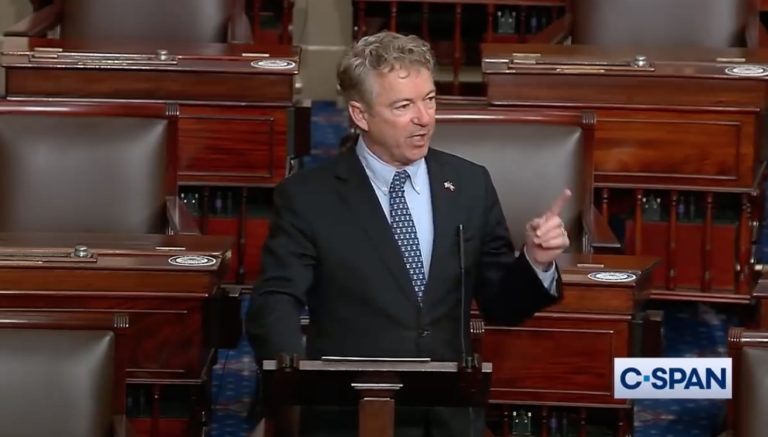
Sen. Rand Paul of Kentucky said on Wednesday he opposes the new omnibus spending bill, and wants his Republican colleagues to take a stand against runaway spending that Democrats are going to put into the bill.
On Fox Business’s Kudlow show, Paul said that his fellow Republicans are “emasculated” and have ceded power to the Democrats.
The way the Republicans can get spending in line, he suggested, is to “divide the spending into 12 bills and then decide to hold one of them hostage or two of them hostage. And then apply policy changes in the House. But they’ve got to do it.”
“They’ve got to capture this, and we’d have to do the budget the way it’s supposed to be. Budget — 12 appropriation bills, then try to attach some policy like removing the 87,000 IRS agents from the IRS budget,” Paul said.
Paul, a conservative Republican who ran for president in 2016, pointed out how Republicans always cave.
“When we try to do it in one bill, Republicans don’t have the intestinal fortitude. They always collapse, and they fear shutting government down, so no policy objectives ever get added,” he said.
Senate negotiators on Tuesday reached what they call a bipartisan framework agreement for funding the remainder of the federal government’s fiscal 2023, and avoiding a government shutdown on Friday
Congress is expected to pass a continuing resolution by Friday to avoid the shutdown and give the lawmakers until Dec. 23 to finalize and pass the final agreement.
House Minority Leader Kevin McCarthy, R-Calif., who will be the incoming House Speaker, has reportedly told his caucus members that he was a “no” on the omnibus bill and had asked Senate Minority Leader Mitch McConnell to approve continuing resolutions into January, when Republicans can at least take control of the House and have more leverage in negotiations.
But it appears that the fix is in with McConnell and the Democrats — and some Republicans — in the Senate.

