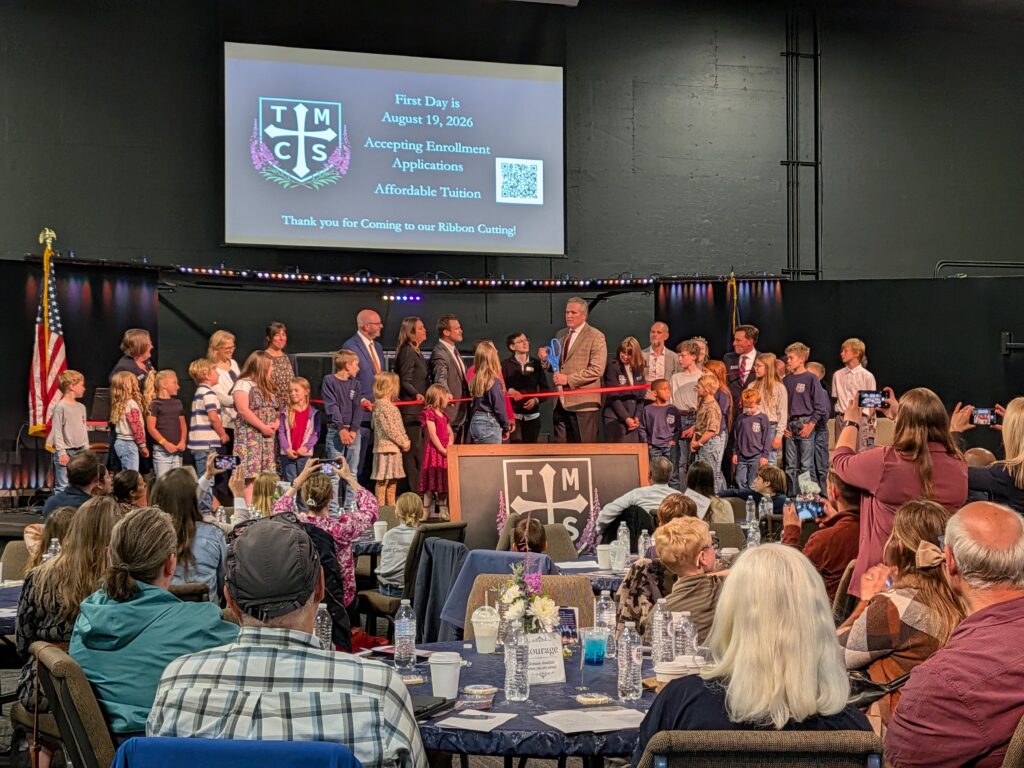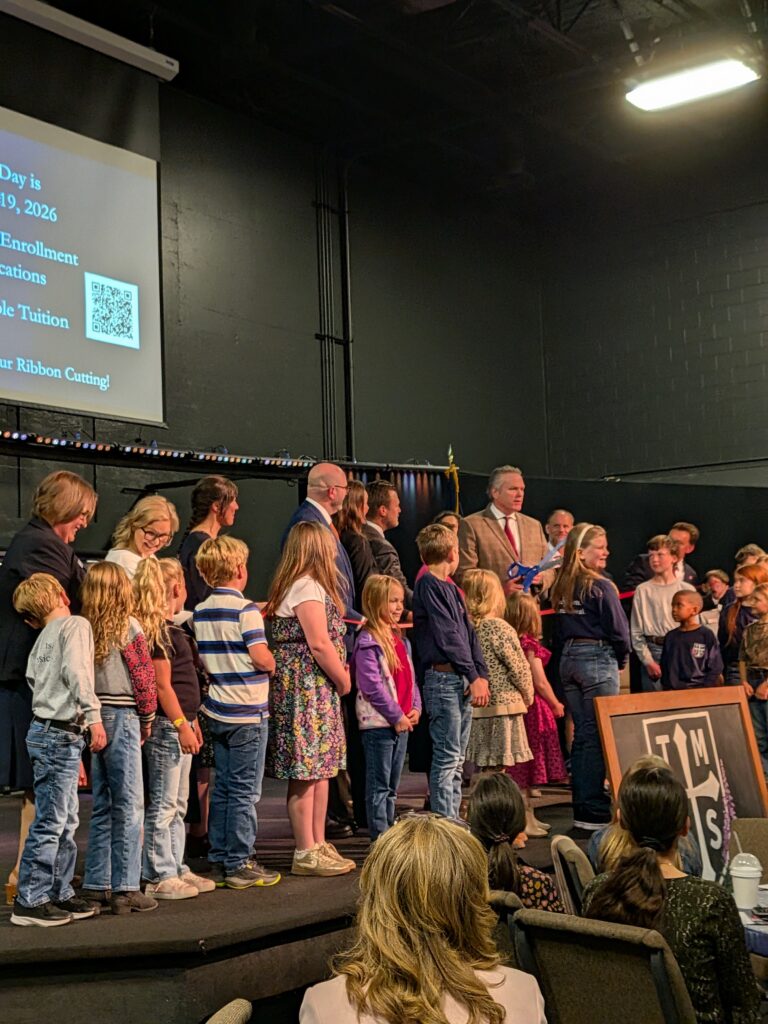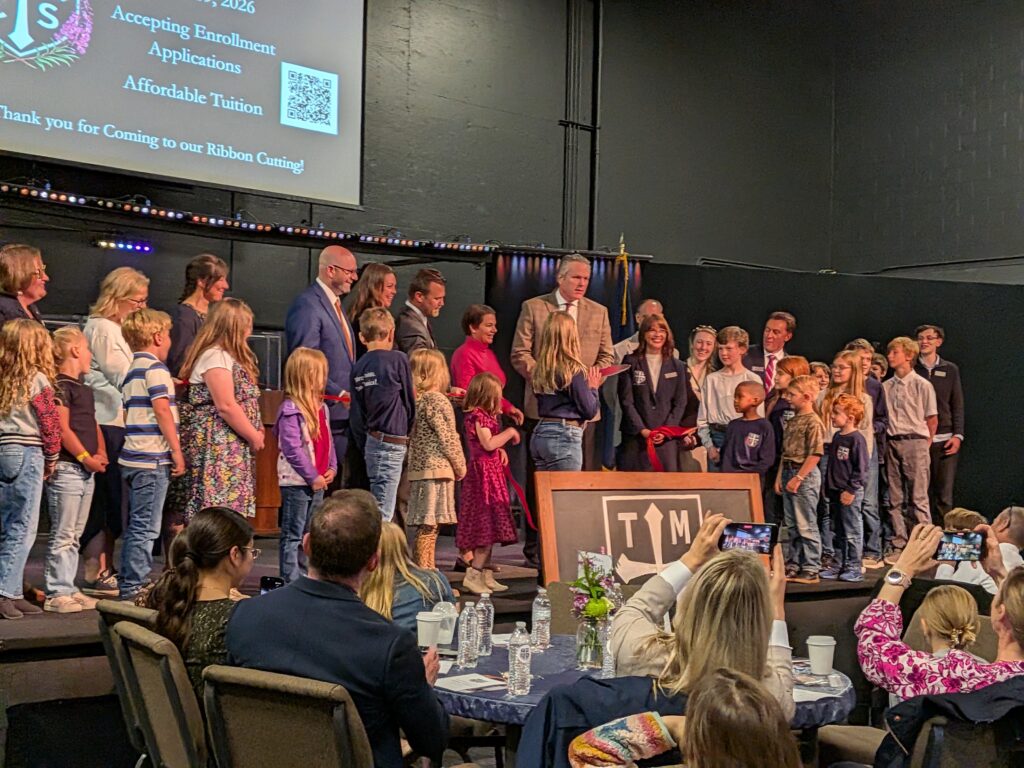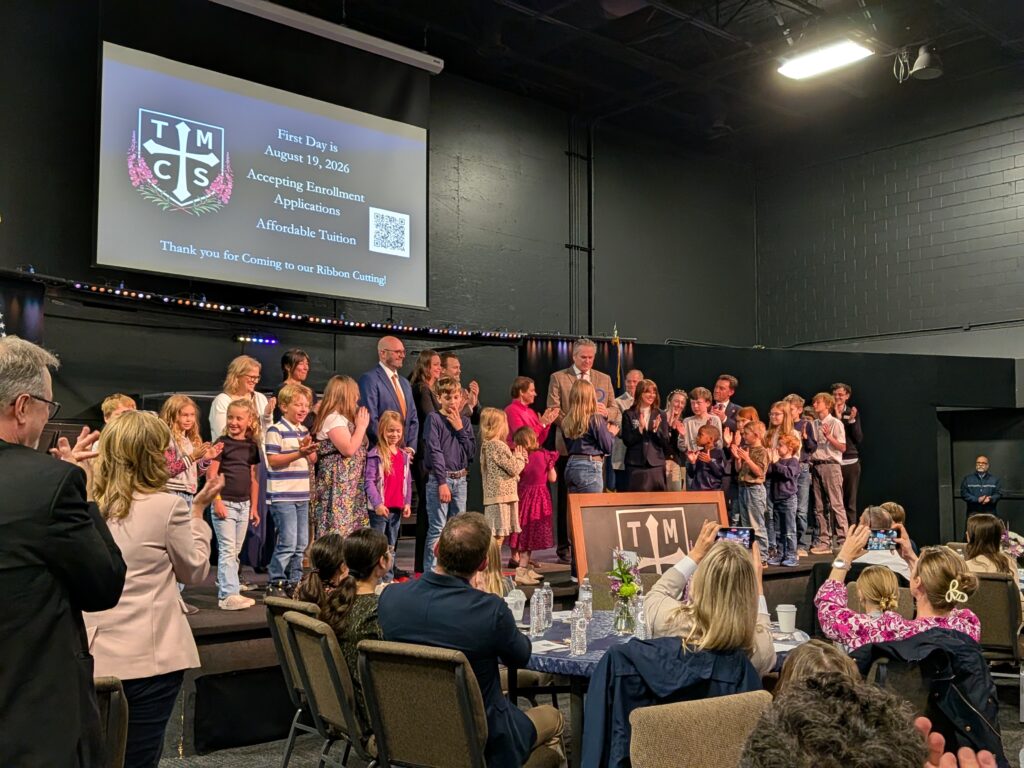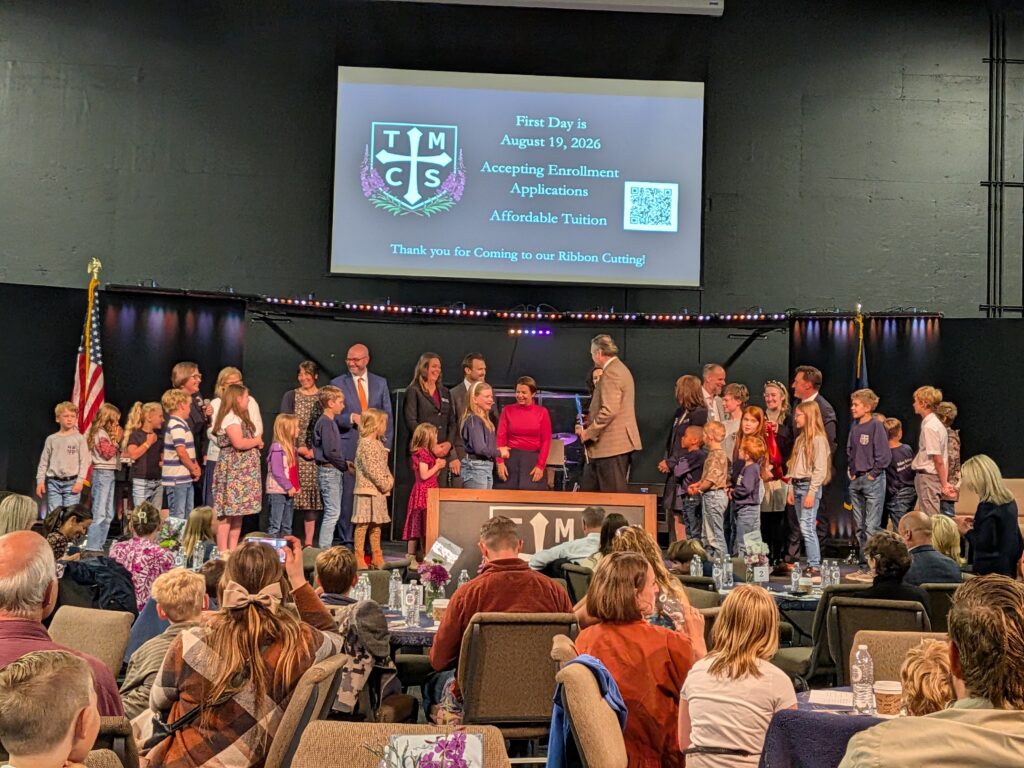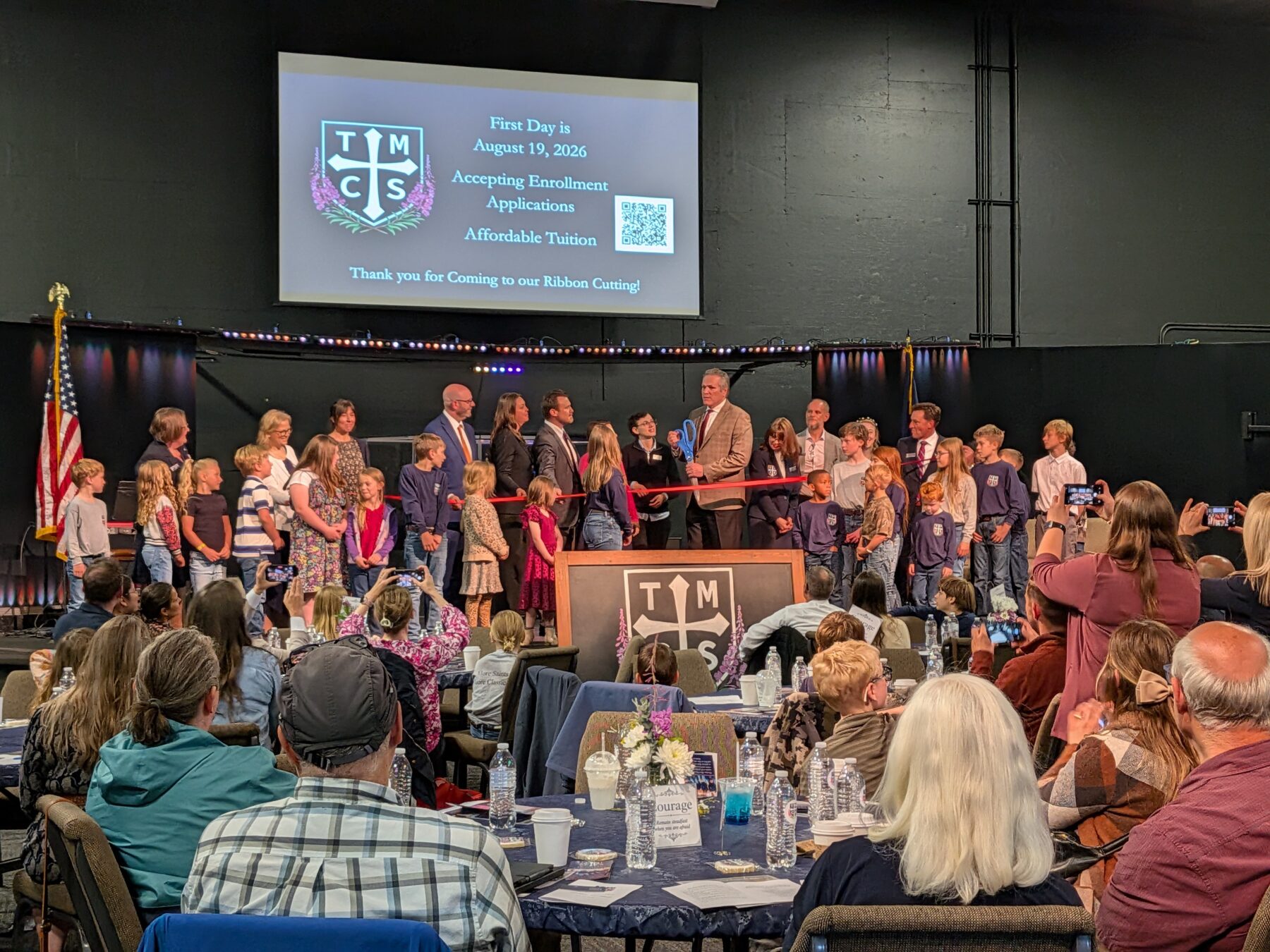
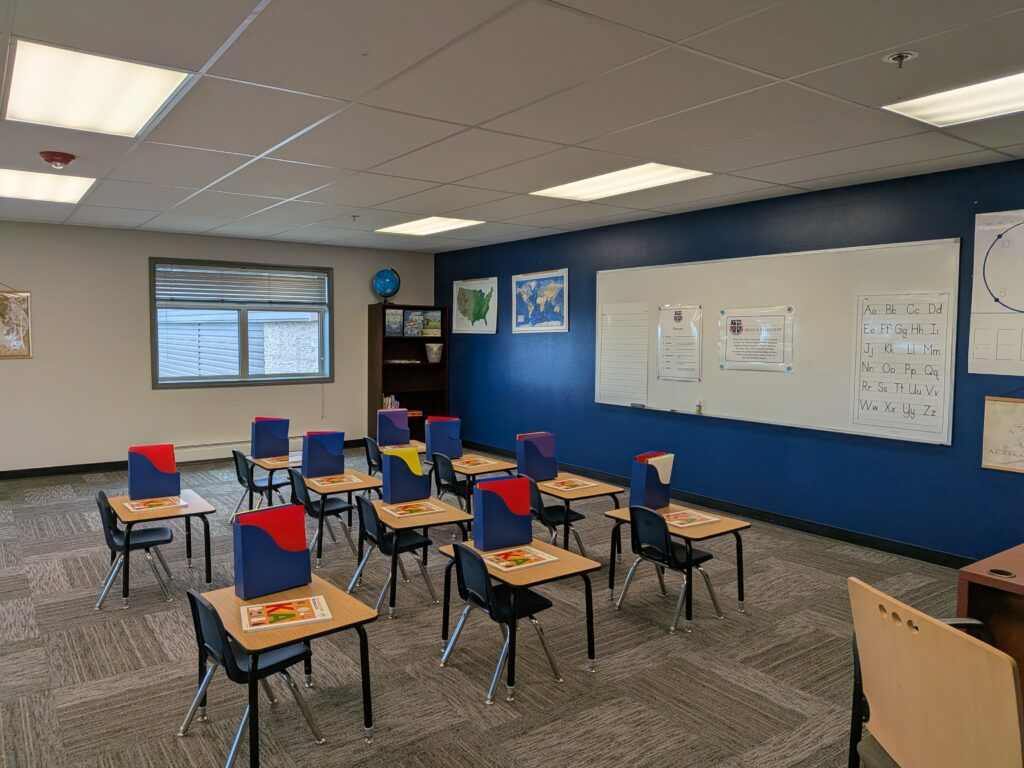
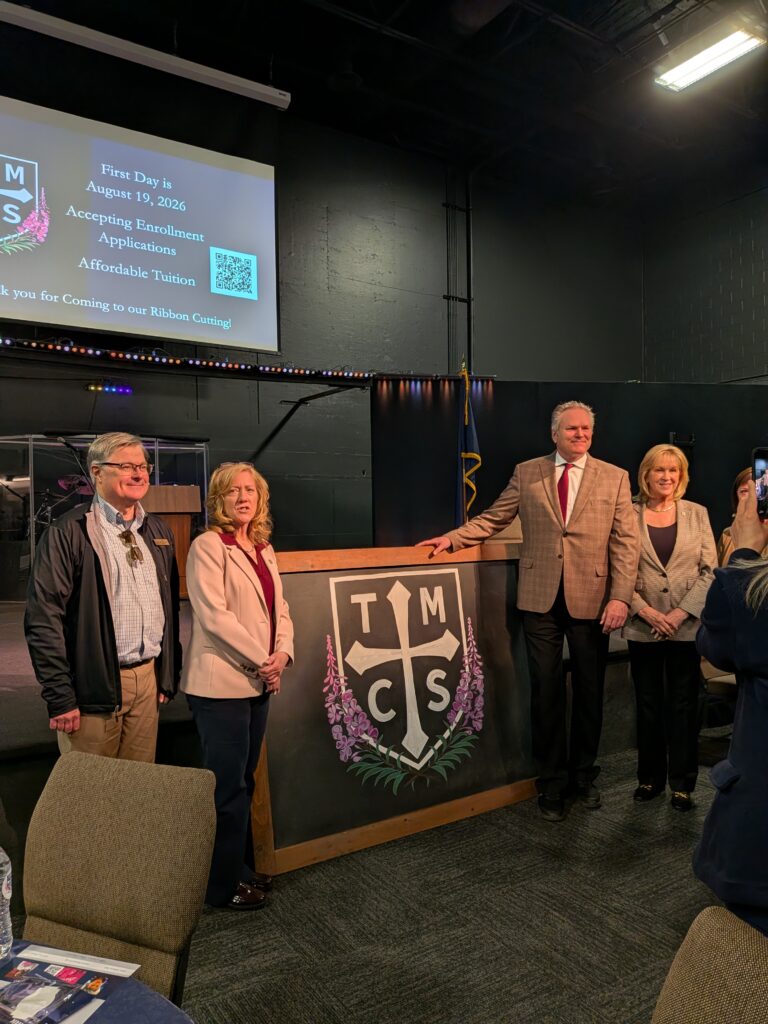
On July 23, 2026, community leaders, families, educators, and Alaska’s top elected officials gathered this week to celebrate the ribbon-cutting for Thomas More Classical School, the state’s first K-12 classical school using Hillsdale College’s K-12 curriculum. For the first year, the new school welcomes Alaska scholars in grades K-6 with plans to incrementally expand through grade 12. Thomas More’s philosophy of education focuses on teaching the texts rooted in the Judeo-Christian heritage that built America’s cultural identity.
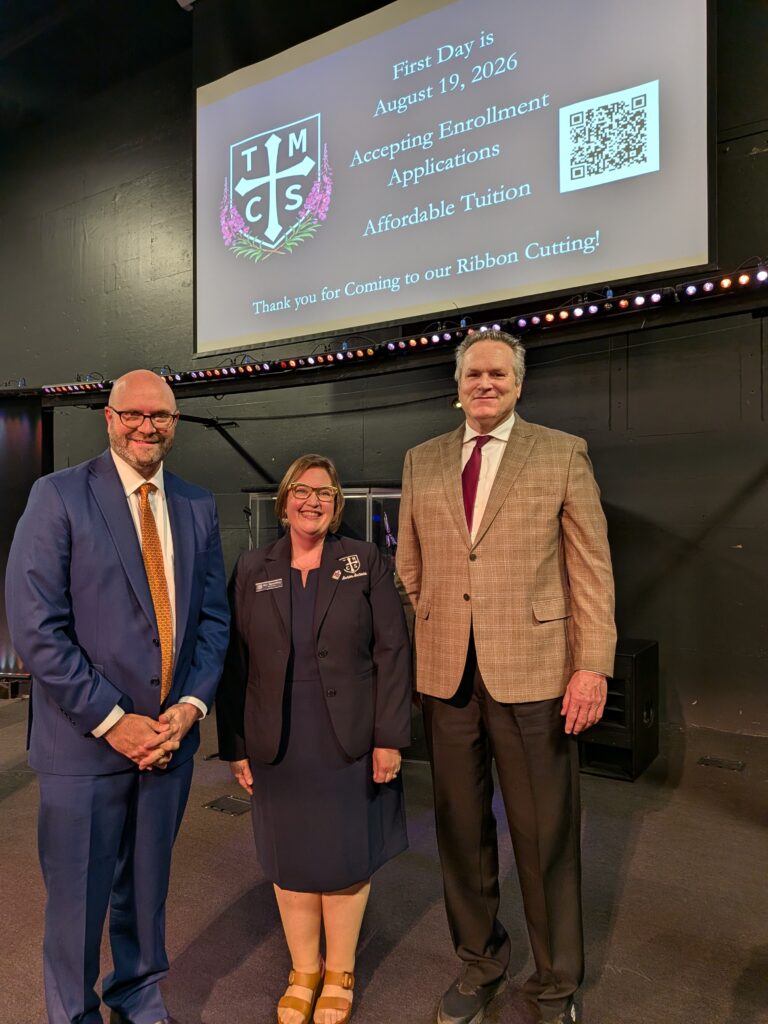
Governor Dunleavy gave the keynote speech, emphasizing the positive impact he believes the school will have on the State of Alaska. The event was also attended by Lieutenant Governor Nancy Dahlstrom, State Representative Julie Coloumbe (R-Anchorage), and Senator James Kauffman (R-Anchorage).
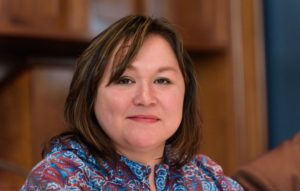
The grand opening celebrated three years of planning, a nationwide search for leadership, and the registration of nearly 70 founding students. The school shares a building with Unite Church, which was previously the Abbott Loop Christian Center.
Board President Charles Gartland opened the program by welcoming guests and leading an invocation. “Almighty God, we come before you today with thanksgiving for all you’ve brought us and with great anticipation,” he prayed. “You alone bring goodness to the hearts of men and women. May you be honored as we sacrifice our time, talent, and treasure for this good work for Thomas More Classical School.”
Gartland then framed the school’s purpose with a key question: Why build another school from scratch when Anchorage already has STEM, language immersion, experiential, trade, and gifted options? His answer was unapologetic. Contemporary education, he said, has largely ignored 2,500 years of the greatest thoughts and texts grappling with the fundamental questions of human life— What are rights? Where do they come from? What is government’s proper role? What is a good life? What is justice?
“Our founders grappled with all these questions, and by and large, they read the great texts, and they knew them really well,” Gartland said. He pointed to the Federalist Papers as an example, noting that modern editions contain extensive endnotes simply to explain the classical and historical references that were once common knowledge.
“Here at Thomas More Classical,” he continued, “we exist to serve families who believe that education is to form hearts and train minds. We engage in school where truth is not relative, where excellence is expected, and where children receive their civic inheritance.”
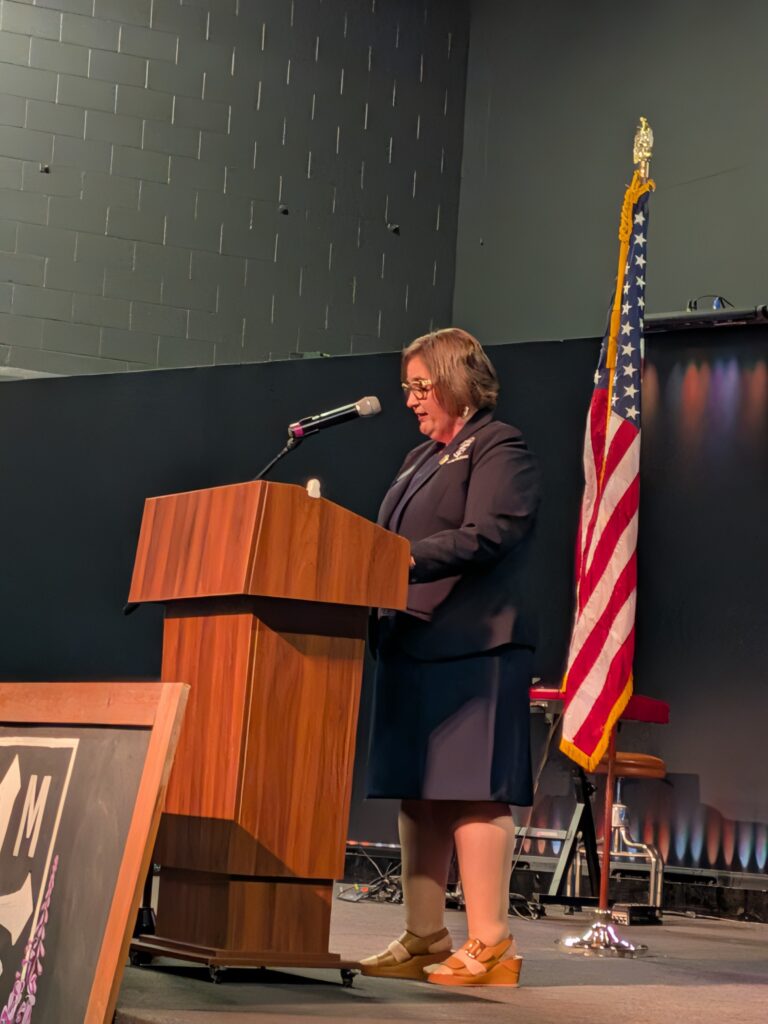
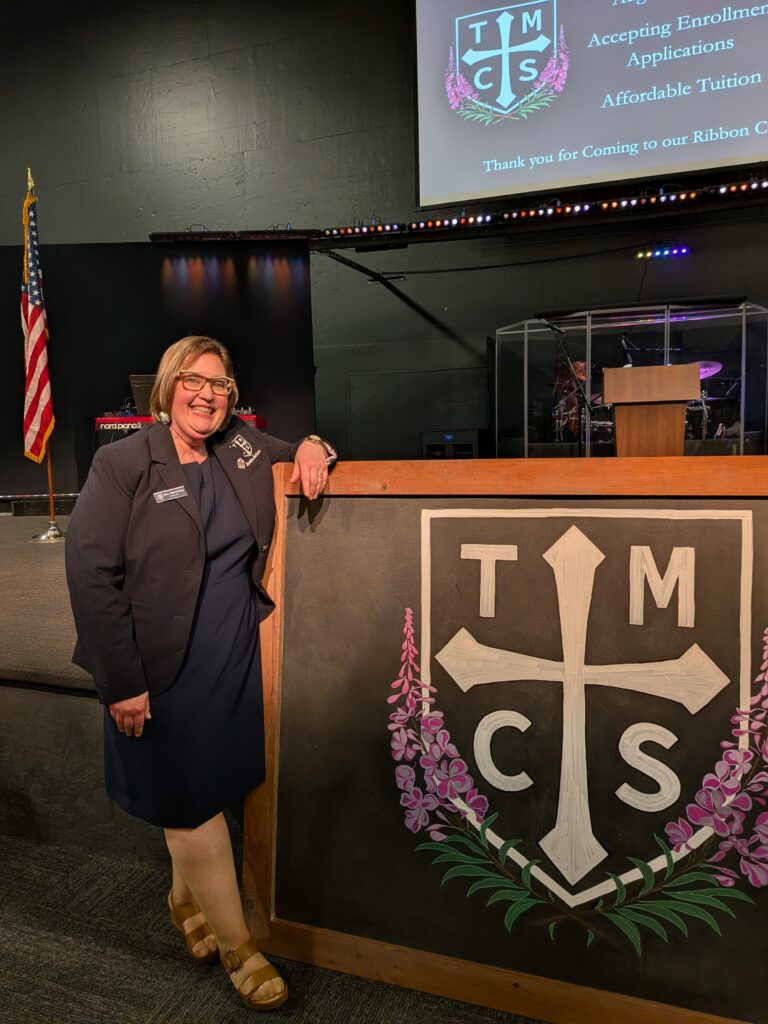
Headmaster Sarah Spaulding, who brings extensive administrative and classical experience from two Ohio academies, took the stage next. She thanked the founding board, faculty, staff, and families for their grit and frontier spirit.
She described the school’s formative aims: “We ask, ‘What kind of person do you want your child to become at the end of their education?’ Courageous. They have to face some fears. Faithful. Believe in God and all that he has revealed. Just. We want our children to learn charity because it is good. We want to shape goodness. So, we teach for virtue here at Thomas More Classical School. These are not relative notions based on current feelings. Virtues are eternal.”
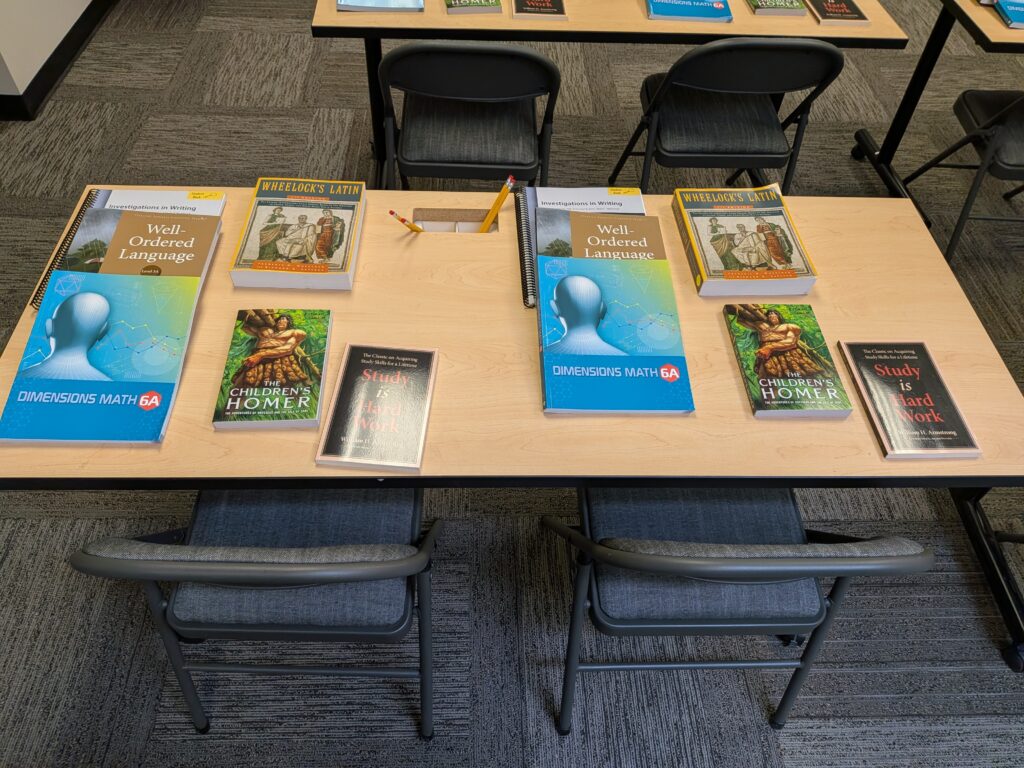
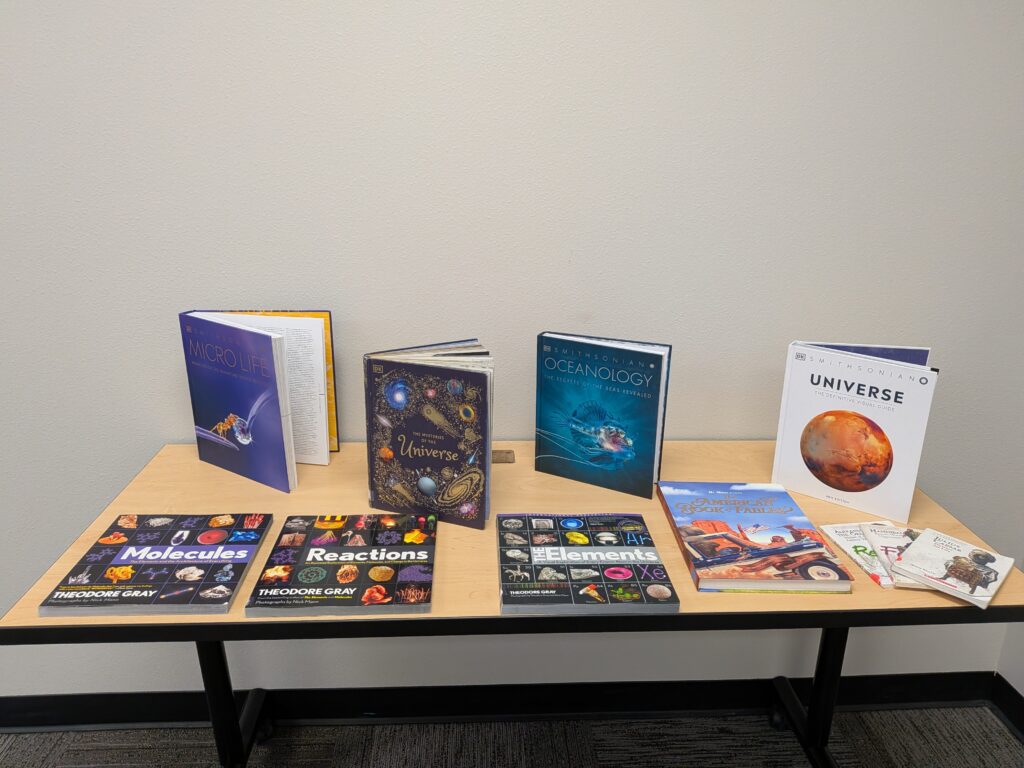
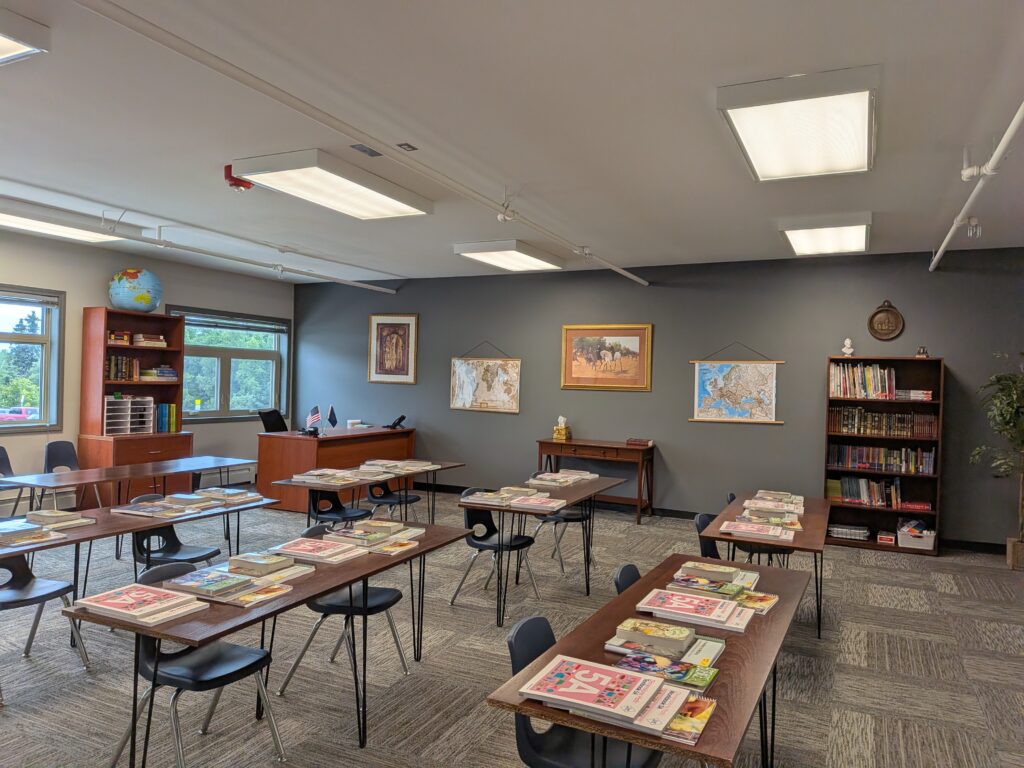
On curriculum, Spaulding emphasized the school’s content-rich approach using whole books, pens, paper, and notebooks rather than one-to-one devices. “We form students in truth, goodness, and beauty by cultivating hearts and minds through a content-rich classical Christian education. We are in the pursuit of virtue and wisdom. That’s our mission.”
Then she welcomed Governor Dunleavy, a former teacher, principal, superintendent, and school board president who has long championed parental involvement and educational excellence. Dunleavy began by noting the order of the morning’s ceremonies.
“What was the first thing we did to open this up? We prayed. Now, today, praying is in many quarters frowned upon. As a matter of fact, being a Christian is really frowned upon in many quarters… But the anchor for all of this is the Bible. It is our Christian faith. And it is incredibly important, more so today than in probably years… Education is going be the foundation, the rock that gets us back to where we need to be.”
He spoke of American exceptionalism, recounting videos of European visitors surprised by the warmth, patriotism, and faith they encountered in the United States— especially the emotional power of the Star-Spangled Banner and military flyovers. “There is American exceptionalism. It is a fact…. And the reason we are patriotic and the reason we are Americans is because this country was founded on Judeo-Christian values. It was… Understanding where we came from is going to help us get where we need to go.”
Dunleavy shared a personal story of his own hunger for knowledge as a boy in Pennsylvania whose family scraped together money for a set of encyclopedias. He read them cover to cover, A to Z, repeatedly from sixth grade through high school. “Just the quest for knowledge, just the quest for understanding, just to get the answers to a lot of questions. So that’s started my journey on education.” He contrasted that with viral campus interviews in which college students struggle with basic American civics yet can easily name the Kardashian sisters.
“It’s unbelievable what’s happening out there to our kids… A school like this for the state of Alaska is going to reverberate for generations to come. Absolutely a hundred percent,” said Dunleavy. “And you guys, in some respects, are the pioneers of what it’s going to be… Prayer first, honor the country second, take care of our families third. I think it’s the right order… It’s going to be hard work. It’s going to be sacrifice. It’s going to be raising money. It’s going to be working together. But once this gets off the ground, I’m just excited about what I think it’s going to end up doing for the state of Alaska.”
The ceremony concluded with remarks from Anchorage Chamber of Commerce leaders followed by a ribbon-cutting that included board members, faculty, and students.
Tuition for the inaugural year is $6,500 for kindergarten and $7,500 for elementary, with classrooms led by teachers rather than screens and a curriculum designed to spark wonder through excellent books and direct, discussion-rich instruction.
For the families who have chosen Thomas More Classical School, the opening marked more than the start of a new academic year. It was the public affirmation of a deliberate return to an older, deeper vision of education— one that treats children as future free citizens capable of wisdom, virtue, and self-government, and that places the formation of the whole person at the center of the enterprise.