Republican lawmakers who participated in events near the U.S. Capitol on Jan. 6, 2021, have been put on notice: Courts across America may come after them.
This month, a state judge in New Mexico ruled that even being near the Capitol on that day was enough to disqualify someone from seeking future public office. Basing his decision on the 14th Amendment of the Constitution, Judge Francis Mathews set forth case law that has not yet been challenged to a higher court and may become the basis for other lawsuits, including in Alaska.
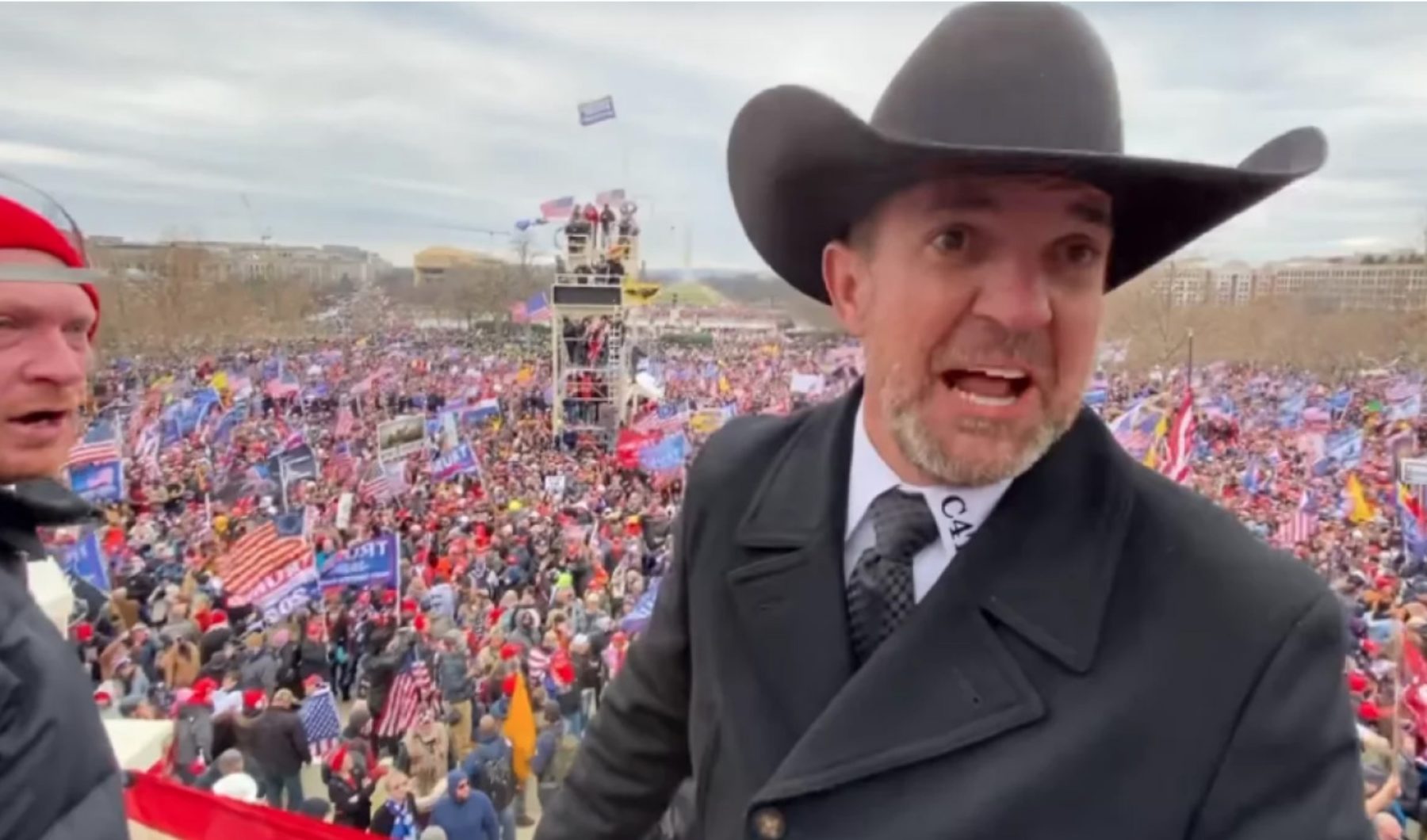
Those who brought the case against “Cowboys for Trump” founder and now-former Otero County Commissioner Cuoy Griffin, are considering whether they can do the same with other lawmakers around the country, and even former President Donald Trump, by getting judges to ban him from seeking public office due to his role in what they believe was an insurrection or rebellion.

Griffin has not yet appealed the decision to immediately remove him from office, and the group called Citizens for Responsibility and Ethics, based in Washington, D.C., which brought the lawsuit to disqualify Griffin, or other aligned groups may file a similar suit to keep Trump off of ballots in multiple states. The NAACP and progressive watchdog group Common Cause filed briefs in support of Griffin’s removal, Politico reported.
“This is a historic win for accountability for the January 6th insurrection and the efforts to disrupt the peaceful transfer of power in the United States. Protecting American democracy means ensuring those who violate their oaths to the Constitution are held responsible,” said CREW President Noah Bookbinder on the CREW website. “This decision makes clear that any current or former public officials who took an oath to defend the U.S. Constitution and then participated in the January 6th insurrection can and will be removed and barred from government service for their actions.”
Judge Mathew ruled that Griffin’s visit to Washington, D.C. met the definition of participating in an insurrection: an “assemblage of persons acting to prevent the execution of one or more federal laws, for a public purpose, through the use of violence, force, or intimidation by numbers.”
Griffin had earlier been convicted of a misdemeanor in federal court for having entered the grounds of the Capitol on Jan. 6, although he did not enter the building. He was sentenced to 14 days on that misdemeanor charge, but given credit for time served.
Judge Mathew wrote, “The mob ultimately achieved what even the Confederates never did during the Civil War: They breached the Capitol building and seized the Capitol grounds, forcing the Vice President and Congress to halt their constitutional duties and flee to more secure locations.”
The ruling said that there needs to be no criminal activity or conviction in order for a judge to ban someone from running for office: “One need not personally commit acts of violence to ‘engag[e] in’ insurrection.” Mathews said, “Engagement thus can include non-violent overt acts or words in furtherance of the insurrection.”
The lawsuit against Griffin is here:
“Mr. Griffin aided the insurrection even though he did not personally engage in violence,” Mathew said. “By joining the mob and trespassing on restricted Capitol grounds, Mr. Griffin contributed to delaying Congress’s election-certification proceedings.”
In his ruling, Mathews notes that the mainstream media declared Biden the winner of the 2020 election. The judge said Griffin’s attempts to sanitize his actions were “lipstick on a pig.” Mathews said Trump’s claims that the election was stolen was false, and that the “Stop the Steal” movement perpetuated a lie with “inflammatory rhetoric.”
Mathews said in his ruling that the Oath Keepers and Proud Boys were violent specialist militia groups that came together to “mobilize an armed intimidatory presence.” The judge noted that Griffin loaded three firearms into his vehicle, along with ammunition, for the cross-country trip to D.C.
Mathews’ ruling and justification is here:
In Alaska, state Rep. David Eastman is facing similar charges brought by activist Randall Kowalke and the Northern Justice Project, even though Eastman he was orderly and law-abiding during his visit to the U.S. Capitol on Jan. 6, where he did not go near the Capitol itself.
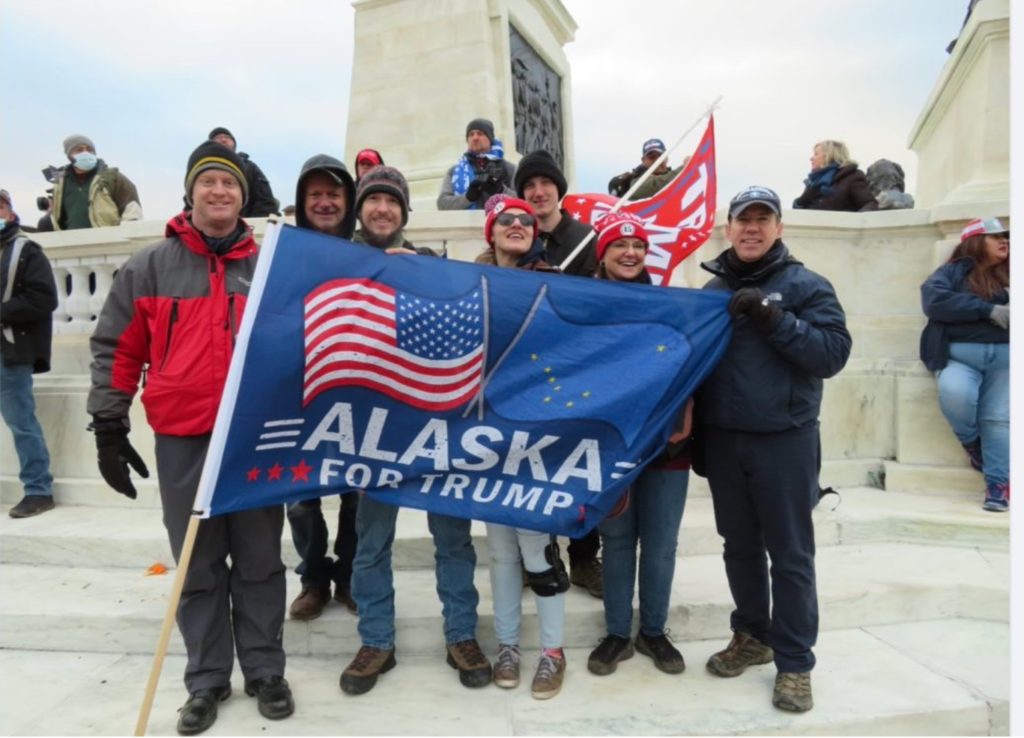
Although he is being subjected to a similar attempted removal from office through the courts, Eastman had no leadership role in the rally at the Capitol, and comparing this case to Griffin’s case must be done with caution. The difference between the cases includes the “leadership role” that Griffin had at the rally, and his strong words on the record that describe the election as stolen, and the nation in a battle for the survival of the republic.