
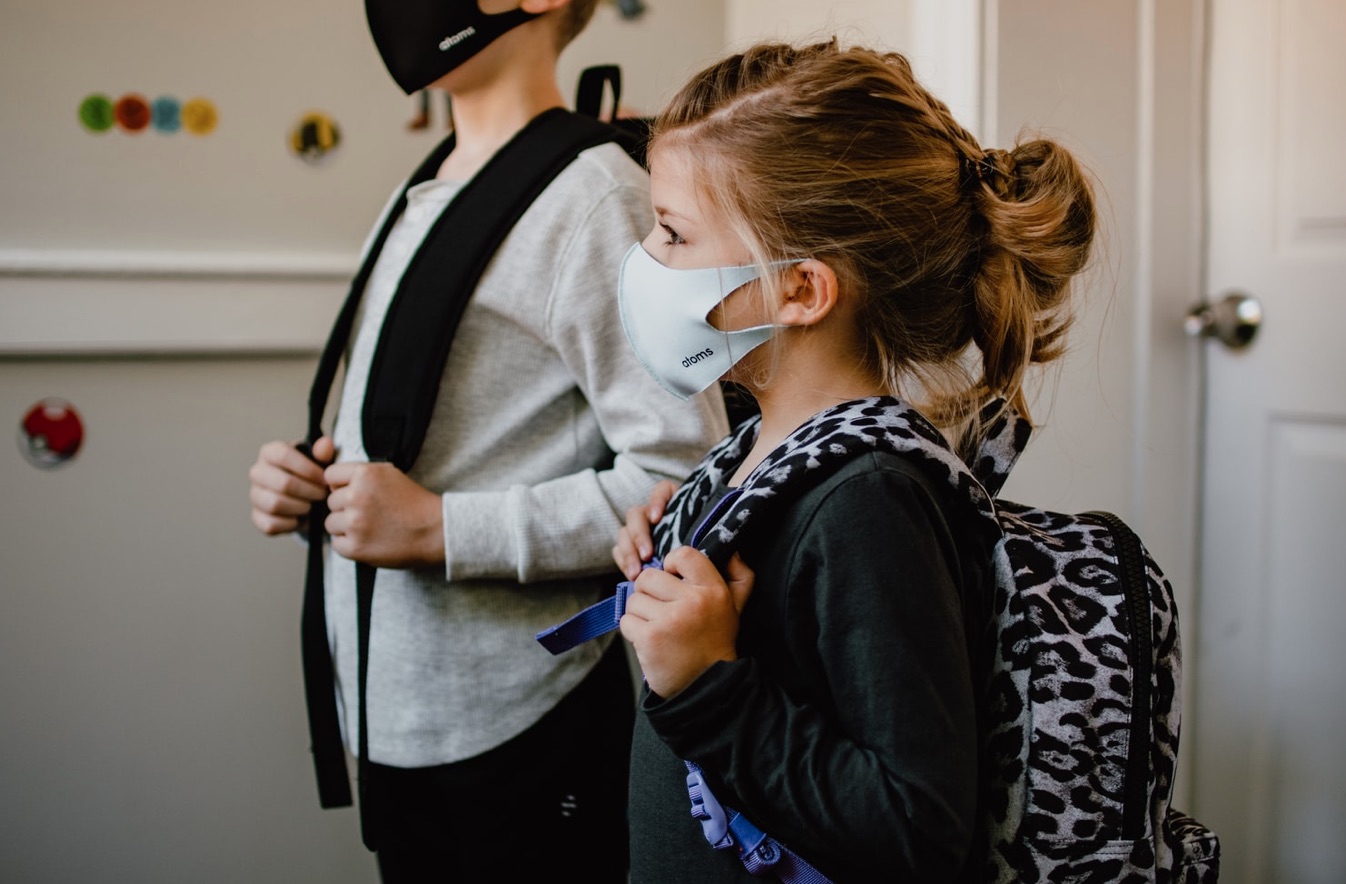
For all the people who were fired, laid off, forced to work at home or part time, or who were punished or bullied for wearing or not wearing a mask, or not getting a Covid vaccination, the Centers for Disease Control and Prevention has some new guidelines for you.
According to the CDC:
- Those exposed to Covid-19 no longer need to quarantine.
- Unvaccinated people may follow the same guidance as vaccinated people
- Students can stay in class even after being exposed to Covid-19
- There is no need to screen people who do not have Covid-19 symptoms.
Since 2020, the United States went from a nationwide lockdown, when commercial air traffic came to nearly a halt, to everyone being required to wear masks indoors, to forced vaccinations on huge segments of the population to this: Don’t pick on people who don’t wear masks and don’t want to get an experimental shot, and quit forcing people to take Covid tests.
The complete set of K-12 school guidelines, issued just five days before students return to school in Alaska, can be seen here.
The CDC says “Schools and ECE programs should consider flexible, non-punitive policies and practices to support individuals who choose to wear masks regardless of the Covid-19 Community Level.”
While not defining what the terms are for “flexible non-punitive policies and practices” the CDC is also unclear as to whether it’s really saying “don’t pick on people who wear masks” or “don’t pick on people who don’t wear masks.”
The CDC says, “Wearing a well-fitting mask or respirator consistently and correctly reduces the risk of spreading the virus that causes Covid-19.” It still recommends forced indoor masking “at a high Covid-19 Community Level” and “in healthcare settings, including school nurses’ offices, regardless of the current Covid-19 Community Level.”
And the CDC left the door open for local districts to enact forced masking at school during some activities, “to protect students with immunocompromising conditions or other conditions that increase their risk for getting very sick with Covid-19 in accordance with applicable federal, state, or local laws and policies.”
The information seems contradictory at best: Don’t bully people who wear masks, and force masks on students if your community is going through a Covid surge.
The CDC said, in announcing its new guidelines, that “COVID-19 continues to circulate globally, however, with so many tools available to us for reducing COVID-19 severity, there is significantly less risk of severe illness, hospitalization and death compared to earlier in the pandemic.
“We’re in a stronger place today as a nation, with more tools—like vaccination, boosters, and treatments—to protect ourselves, and our communities, from severe illness from COVID-19,” said Greta Massetti, PhD, MPH, MMWR author. “We also have a better understanding of how to protect people from being exposed to the virus, like wearing high-quality masks, testing, and improved ventilation. This guidance acknowledges that the pandemic is not over, but also helps us move to a point where COVID-19 no longer severely disrupts our daily lives.”
The CDC insists that vaccination is an important way to protect against serious illness, hospitalization, and death. “Protection provided by the current vaccine against symptomatic infection and transmission is less than that against severe disease and diminishes over time, especially against the currently circulating variants. For this reason, it is important to stay up to date, especially as new vaccines become available,” the agency says.
The CDC recommends that instead of quarantining if you are exposed to Covid, you should wear a high-quality mask for 10 days and get tested on Day 5.
The agency recommends you isolate for five days if you have Covid, or if you are sick and suspect you have Covid. But if your results are negative, there is no need to isolate.
Regardless of when you end isolation, avoid being around people who are more likely to get very sick from COVID-19 until at least day 11.
You should wear a high-quality mask through day 10.
The CDC says that if you have moderate illness (if you experience shortness of breath or had difficulty breathing) or severe illness you need to isolate through day 10.
Those who get severely ill or have a weakened immune system should consult a doctor before ending isolation.


