
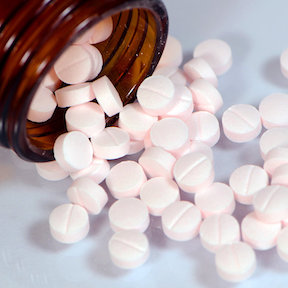
One of the most well-established and prescribed preventative medications for aging adults at risk of cardiovascular disease is likely to do more harm than good, according to an independent task force.
For decades, baby aspirin has been considered a safe and effective prophylactic for older adults. Such is the state of settled science and the finding is sure to be of interest in an era where a brand-new Covid vaccine is being forced on millions of Americans.
The U.S. Preventive Services Task Force, an independent organization of doctors, say doctors should stop prescribing a daily low-dose or baby aspirin to most people who are at risk for a first heart attack or stroke. They cite evidence that the side effects outweigh the benefits of this long-accepted preventive and over-the-counter medication, which is taken by millions of Americans to thwart blood clots, strokes and heart attacks.
“People ages 40 to 59 who are at higher risk for CVD and do not have a history of CVD should decide with their clinician whether to start taking aspirin.This is a C grade. People age 60 or older should not start taking aspirin for heart disease and stroke prevention. This is a D grade,” the task force reported. D grade means it is not recommended, while C grade means it depends on the patient’s situation.
The draft guidelines were announced today. The group also will be reversing its own 2016 recommendations for use of low-dose aspirin to prevent colorectal cancer. The task force said new data that has come in shows the need for more research.
Heart disease and stroke are leading causes of mortality in the United States, accounting for about one in
three deaths.
“While daily aspirin use has been shown to lower the chance of having a first heart attack or stroke, it can also cause harm. The most serious potential harm is bleeding in the stomach, intestines, and brain. The chance of bleeding increases with age and can be life-threatening,” the group wrote in its summary of its findings.
“Based on new evidence since the 2016 Task Force recommendation, it is now recommended that once people turn 60 years old, they should not consider starting to take aspirin because the risk of bleeding cancels out the benefits of preventing heart disease. The latest information also shows a closer balance of benefits and harms than previously understood for people in their 50s and that starting aspirin use as young as 40 years old may have some benefit.”
Task Force member John Wong, M.D., was quoted by the group saying, “Daily aspirin use may help prevent heart attacks and strokes in some people, but it can also cause potentially serious harms, such as internal bleeding. It’s important that people who are 40 to 59 years old and don’t have a history of heart disease have a conversation with their clinician to decide together if starting to take aspirin is right for them.”
The recommendation only applies to people who are at higher risk for CVD, have no history of CVD, and are not already taking daily aspirin. When deciding whether patients should start taking aspirin to prevent a first heart attack or stroke, clinicians should consider age, heart disease risk, and bleeding risk. It is also important to consider a patient’s values and preferences. If someone is already taking aspirin and has any questions, they should talk to their clinician about their individual circumstances, the task force said.
“The latest evidence is clear: starting a daily aspirin regimen in people who are 60 or older to prevent a first heart attack or stroke is not recommended,” says Task Force member Chien-Wen Tseng, M.D., M.P.H., M.S.E.E. “However, this Task Force recommendation is not for people already taking aspirin for a previous heart attack or stroke; they should continue to do so unless told otherwise by their clinician.”


