Dr. Cindy Sena-Martinez is a Thomistic psychologist who works one-on-one with individuals and families in a journey toward wholeness through holiness.
In our age of unprecedented comfort, we have grown strangely fragile. We often demand immediate relief for aches and pains, sorrows, inconveniences, and troubles that our ancestors readily bore as the ordinary burdens of life. A twinge of anxiety, a moment of boredom or emotional discomfort sends us spiraling and reaching for distractions, excuses, or validation. Although psychiatry and counseling have developed techniques that may help many people experiencing a clinical mental disorder, it has also become a blanket excuse for many, especially among younger generations. Young people are experiencing a deepening weakness of will, an enfeeblement of the moral faculty (reasoned ethical judgment) that threatens the very sinew of human character.
Our ancestors endured far greater physical hardship without the arsenal of analgesics and sedatives available today. They worked through pain, grieved, and pressed on because necessity and virtue demanded it. Minor ailments were not pathologies to be eliminated but realities to be weathered. Today, we are tempted to medicate the slightest discomfort, anesthetizing ourselves not only to pain but to the formative suffering it carries. Emotional ailments such as discomfort in relationships, the sting of rejection, the restlessness of unfulfilled desire are often masked, escaped, or pathologized rather than confronted and transcended.
This physical and emotional softness breeds a deeper spiritual and moral frailty: the unwillingness to sacrifice present pleasures for future or higher goods. Restraint, self-denial, and patient endurance have become alien virtues. Why deny oneself immediate gratification— whether food, entertainment, lust, or ease— when discomfort can be so easily avoided? We have traded the capacity for greatness for the assurance of small comforts. The man who cannot bear a headache or a low mood will scarcely endure the greater trials required for noble achievement, faithful marriage, genuine virtue, or the pursuit of sanctity.
Contrast this with the pattern given to us by Christ Himself. Our Lord did not flee suffering; He embraced it as the very instrument of redemption. In the Garden of Gethsemane, facing agony beyond comprehension, He prayed, ‘Father, if it be possible, let this chalice pass from me: nevertheless, not as I will, but as thou wilt’ (Matthew 26:39). He did not mask the pain or turn aside. He offered it. Through His willing endurance of the Cross, He accomplished the salvation of the world. Suffering, united to love and obedience, becomes redemptive. Far from meaningless torment, it is transfigured into the highest expression of charity.
St. Thomas Aquinas, the great Doctor of the Church, teaches us the true nature of the virtues needed to meet hardship. In his Summa Theologica, he treats patience as allied to the cardinal virtue of fortitude. “A person is said to be patient… because he acts in a praiseworthy manner by enduring things which hurt him here and now and is not unduly saddened by them.” Patience is not passive resignation but active strength of soul that refuses to be broken by sorrow or diverted from the good of reason and virtue.
Aquinas further warns against the vice of softness (molities), the vice directly opposed to perseverance. The person given to softness lacks the firmness of character needed to endure difficulties and readily abandons the pursuit of the good the moment it becomes arduous.
Keep in mind, however, that not all use of medication stems from this vice. There is an important distinction between those who take medication in order to avoid the normal difficulties through which virtue is formed, and those who take it in order to endure suffering when a genuine disorder of the body-soul composite would otherwise make perseverance impossible. Fortitude, by contrast, is the virtue that strengthens the will to stand firm even in the face of the greatest evils— above all the fear of death— for the sake of right reason and the ultimate good, which is God. As Aquinas, echoing Augustine, beautifully expresses it: “Fortitude is love bearing all things readily for the sake of the Beloved.”
The Angelic Doctor understood that pleasure and pain pull powerfully upon the soul. Bodily pain often impels us more strongly than pleasure attracts, yet the virtuous man holds fast to what reason and faith declare good. Modern man, overflowing in easy alleviations, rarely practices this firmness. We have amplified means to escape minor pains while growing ever less capable of bearing the trials that form saints and heroes.
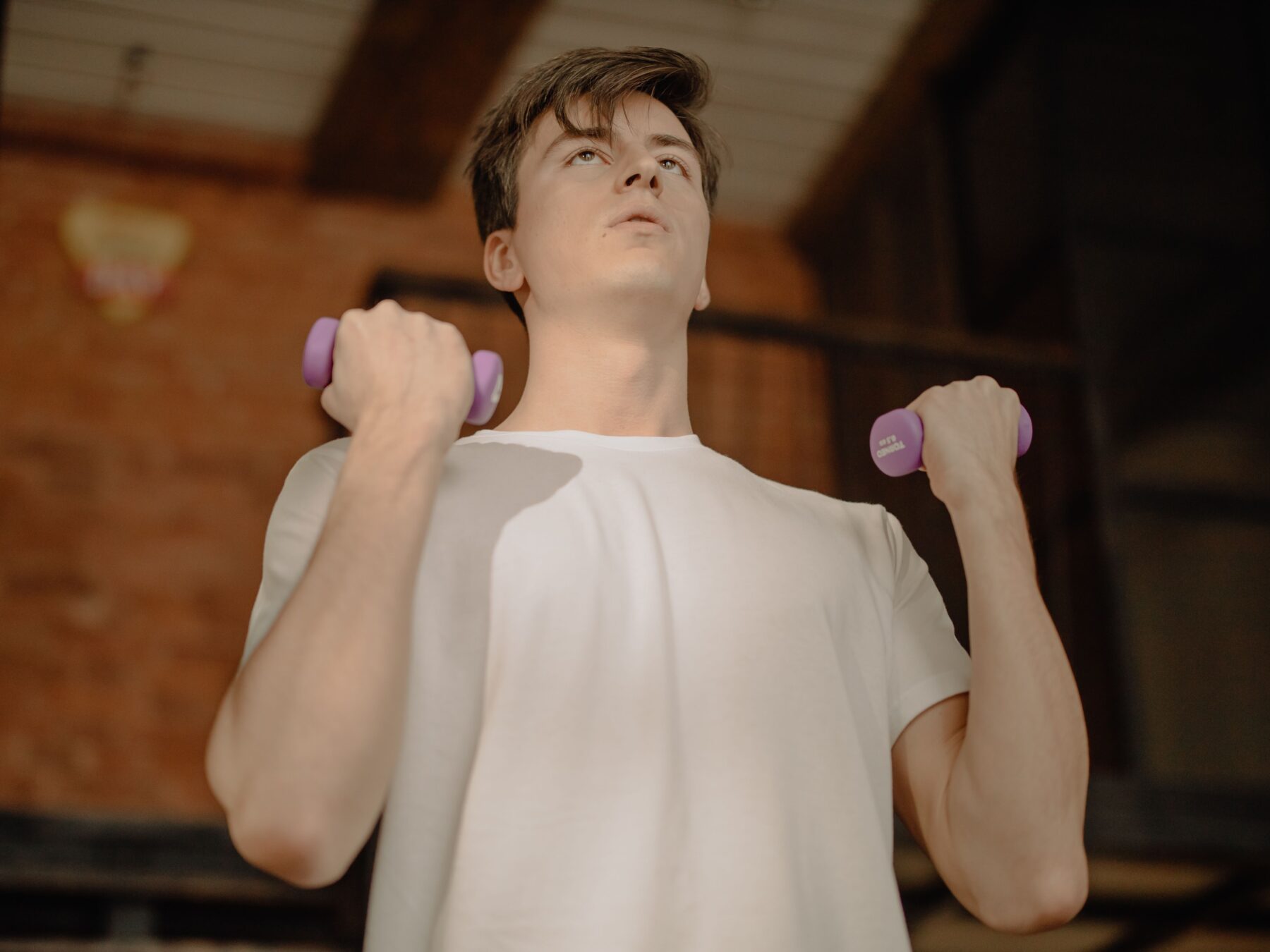
The paradox of the Christian life and of authentic human flourishing is that the greatest goods are most often attained not by avoiding suffering, but by passing through it. The athlete grows strong only by straining against resistance. The scholar attains mastery only through disciplined, often tedious labor. The saint is perfected through trials borne with patience and trust. To numb or evade every discomfort is to refuse the very forge in which the virtues of the soul are formed.
This does not deny that some people suffer from genuine clinical disorders in which the body-soul composite is disordered in such a way that chemical assistance is needed to restore equilibrium. In those cases, medication can be a legitimate aid, and when the underlying physiology or severe psychiatric condition requires it, such assistance may be necessary on a longer-term basis. Yet for the great majority of people, the modern impulse to medicate or distract away every minor pain, anxiety, or sorrow is something else entirely. It is the refusal to submit to the Master Pruner’s shears, which cut away our vices so that we may bear more fruit. It is the choice to numb the Refiner’s Fire rather than allow it to burn away our impurities and strengthen the will. In doing so, we do not escape suffering. We merely forfeit the formation which suffering, when received rightly, is meant to accomplish.
Self-control, listed among the fruits of the Spirit and essential in the chain of Christian maturity (2 Peter 1:5-7), is precisely the virtue that enables us to put off instant gratification. It makes possible sacrifice, long-term fidelity, and the pursuit of goods higher than fleeting pleasure. Without it, we become slaves to our appetites and frailties, ever weaker and less free.
The remedy is not to reject legitimate medicine or reasonable relief, but to reject the mentality that treats all discomfort as enemy and all pleasure as necessity. We must recover the willingness to suffer small things well, offering them up in union with Christ’s Cross. In doing so, we train the soul for greater trials and open ourselves to the profound blessings reserved for those who, like their Lord, are willing to lose their life in order to save it.
Let us, then, resist the creeping softness of our age. May we bear what hurts us here and now without undue sadness, anchored in the love of the Beloved who suffered all for us. Only then can we hope to regain the strength of soul that built saints, civilizations, and lives of lasting fruitfulness. In the words of St. Thomas Aquinas, “Grant that as penance, I may be afflicted by your hardships now, through grace I may rely on your blessings on the way, and in glory I may enjoy you fully in the kingdom of heaven.”