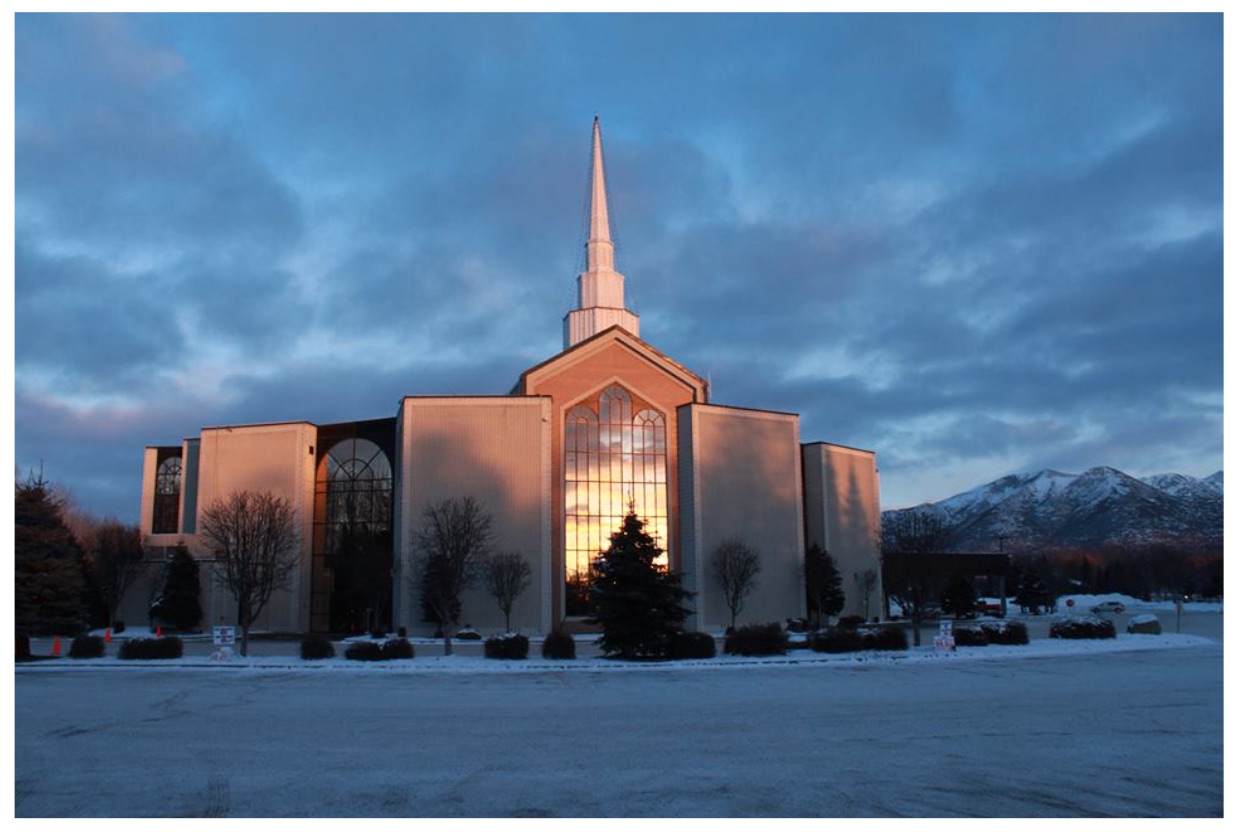
The United States Supreme Court has exempted churches from California Gov. Gavin Newsom’s order that limits indoor gatherings in specific counties that are battling COVID-19 infections.
But the court, in a 6-3 ruling, did allow the governor of California to forbid singing and chanting at those worship services, in counties where health officials say the COVID-19 virus is spreading rapidly. California uses a tiered system, and for those counties in the “purple” tier, stay-home orders are in effect.
Two churches brought the lawsuit which split the court over the question of the government’s authority over churches during the pandemic.
Justice Elena Kagan wrote the six-page dissent, signed by Justices Stephen Breyer and Sonia Sotomayor. The dissent said it is up to the health experts to decide how to respond to the pandemic. “Is it that the Court does not believe the science, or does it think even the best science must give way?” she wrote.
“The Court’s decision leaves state policymakers adrift, in California and elsewhere. It is difficult enough in a predictable legal environment to craft COVID policies that keep communities safe. That task becomes harder still when officials must guess which restrictions this Court will choose to strike down,” Kagan wrote.
The more conservative justices said California was infringing on religious freedom and, along with centrist Chief Justice John Robert, voted to set aside the ban but to allow the restrictions on singing and chanting, which some health experts believe pose a bigger risk in crowds.
The court also said the governor could limit attendance to 25% of a building’s capacity.
This is not the first time the court has upheld religious freedom and put limits on governments’ regulatory powers during the pandemic. In November, it ruled that New York’s restrictions on attendance at religious services was unconstitutional.
Former Anchorage Mayor Ethan Berkowitz and current Acting Mayor Austin Quinn-Davidson have ordered bans on indoor gatherings, including church services, but have generally not enforced them.