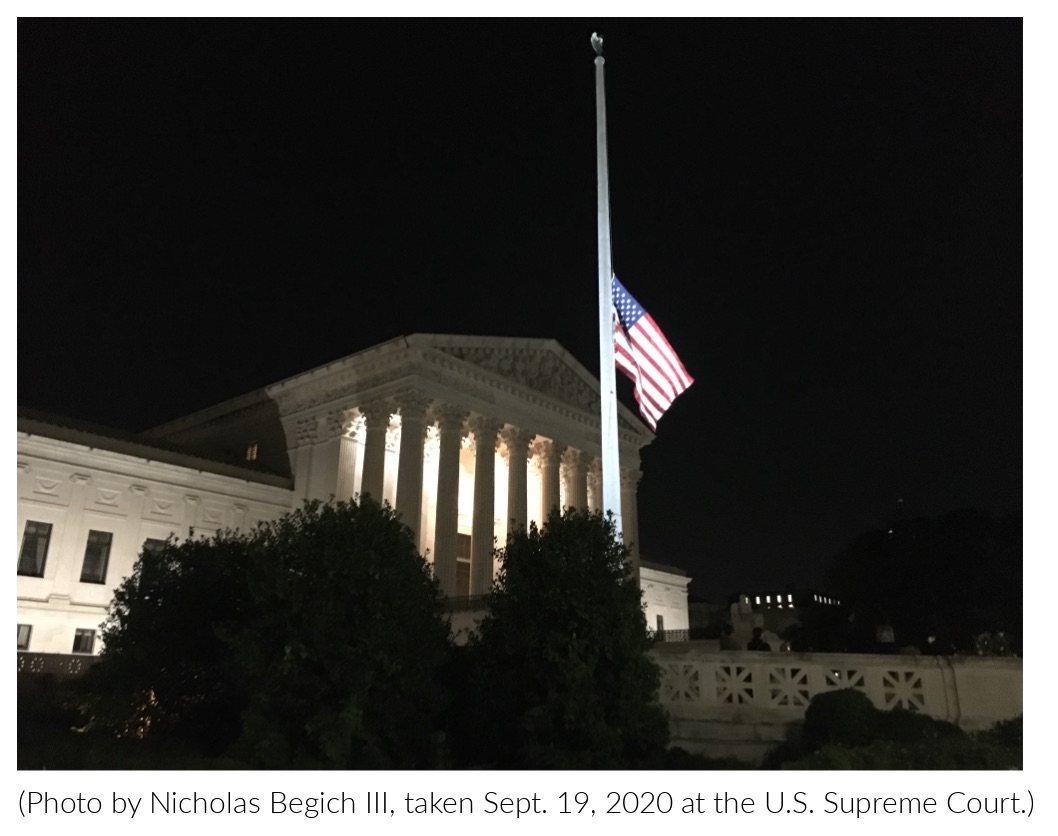
The U.S. Supreme Court took a pass on a contentious issue regarding union fees and government employees. The case stems from the 2018 landmark case, Janus v. American Federation of State, County, & Municipal Employees. The high court’s decision leaves intact a lower court ruling that says government employees who are not union members can, indeed, be required to pay fees covering contract negotiations that end up possibly benefiting them.
The recent request for the Supreme Court review was brought by the State of Alaska, which sought to stop the practice of automatically deducting union fees from state workers’ paychecks without workers’ explicit consent on a signed consent form.
The Alaska Supreme Court had previously ruled that such deductions don’t violate the Janus decision. Consent is adequately provided through membership and dues-deduction forms signed by union members, the appeals court said.
The U.S. Supreme Court made no comment on why it denied the State of Alaska its day in court to take Janus up a notch.

The Janus case had been a significant turning point in labor law, ruling that non-union government employees could not be compelled to pay union fees, a major blow to public employee unions, which are now the most powerful in the nation due to the rapid expansion of government. Currently, over 7.1 million employees in the public sector belonged to unions, according to the Bureau of Labor Statistics.
As of September, there were nearly three million employees in the federal workforce, a number that has tripled since 1944, according to USAFacts.org.