
For the fourth year, President Joe Biden has sent Congress a budget that cuts defense spending. It comes at a time when the Chinese Communist Party announced another 7.2% increase in their defense budget.
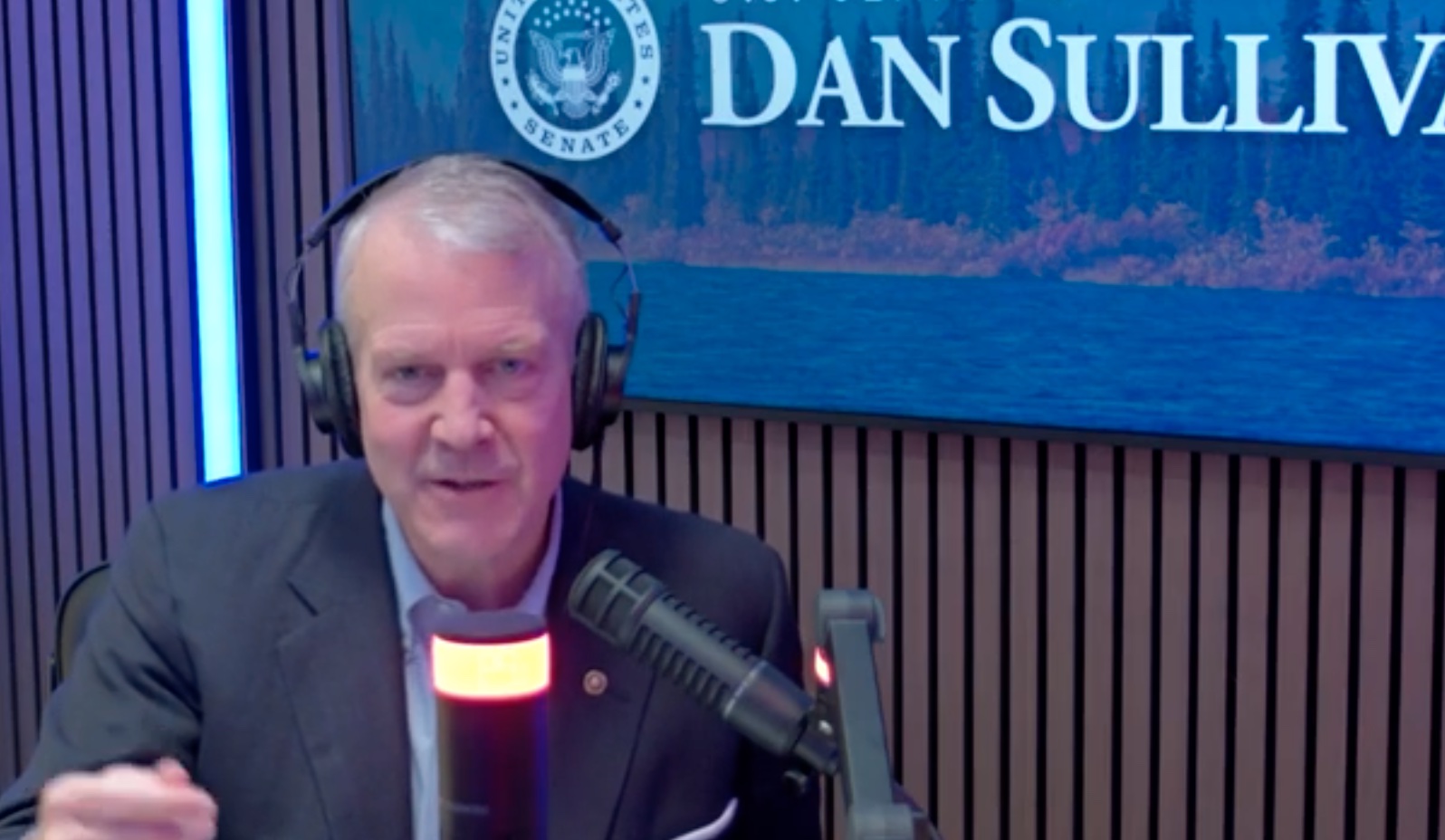
Alaska U.S. Sen. Dan Sullivan, a member of the Senate Armed Services Committee and chairman of the International Republican Institute, responded to Biden’s Fiscal Year 2025 budget request:
“Since President Biden assumed office, global chaos has spread, with the dictators from Russia, China, and Iran acting with greater impunity. In each of those four years, President Biden has proposed inflation-adjusted cuts to defense spending.
The budget significantly underfunds key enabling capabilities for the Pacific; cuts a submarine after the Department of Defense said the industrial base needed stability and budget growth; fails to maximize production rates of more than a dozen key munitions; decreases the purchase rate of tactical fighters; and slow the development and purchase of missile defense programs.
“This latest budget proposal thrusts the United States into even more dangerous territory—it puts the United States on track for our defense spending to drop below three percent of GDP for only the fourth time since World War II, which occurred in the years following the end of the Cold War,” Sullivan said.
“The President proposes using budget gimmicks and accounting tricks to spend billions above spending caps for non-defense programs, but makes significant cuts to, among other programs, the Missile Defense Agency and our submarine fleet, and slashes new orders of fighter jets—including F-35s. Meanwhile, he’s funding more than one hundred million dollars to cater to his far-left base—including a diversity, equity, and inclusion office in the Pentagon that has nothing to do with winning wars and lethality.
“If there ever was a time for this White House to reverse course on these weak defense proposals and deter global aggression, it is now. Jimmy Carter did this in his last year in office. We need our Commander in Chief to lead,” Sullivan said. “We need a defense budget that reflects global threats—with real increases, not cuts, that improve our military readiness, and project strength, not weakness, in an increasingly dangerous world.”


