
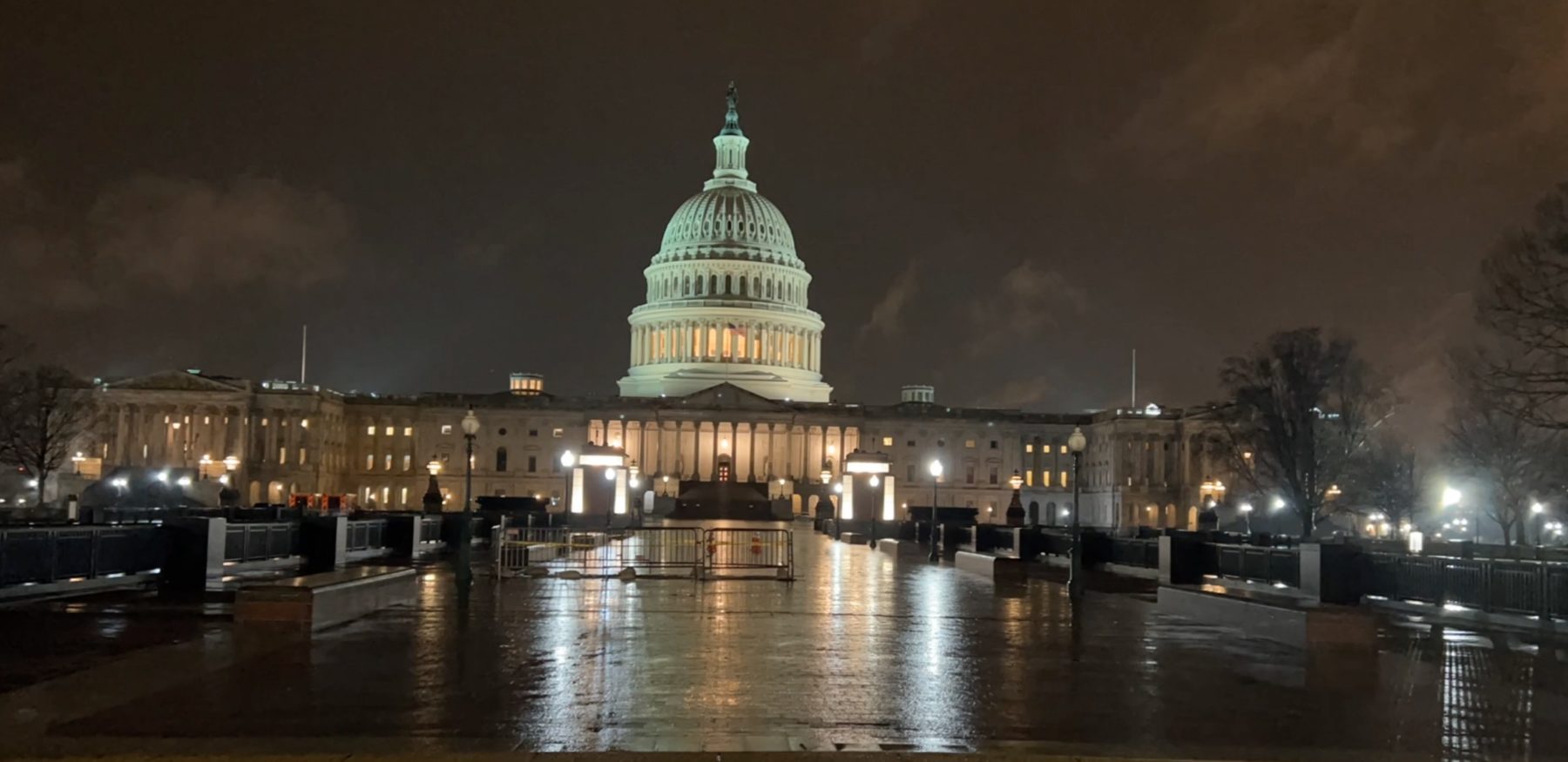
The U.S. Senate passed a short-term government funding bill that has averted a federal funding pause, which some have characterized as a shutdown. Nine senators voted against the bill, which does not provide funding of the war in Ukraine.
All of the funding authority voted on this week is essentially the ability for the federal government to borrow more money in the absence of a debt ceiling, which was lifted by Congress in June. Since there is no debt ceiling, the federal debt has risen by another 10% in three months, adding $3 trillion in debt for a total of $33 trillion that the federal government now owes, much of it to foreign governments like Japan, China, and the United Kingdom.
U.S. Sen. Dan Sullivan voted in favor of the continuation of government, and released the following statement:
“I supported this short-term funding bill to avoid a government shutdown and give the House and Senate another 45 days to negotiate a longer-term, more substantive funding agreement. Importantly, today’s vote means our troops will continue to get paid as they defend our country—a priority I’ve been fighting for in spite of consistent opposition from Democratic leadership in the Senate. I’ll continue working, during these next 45 days, to ensure we have serious measures to secure our southern border in the wake of President Biden’s total dereliction of duty, and necessary funding to address the myriad of national security threats our country faces in this new era of authoritarian aggression.”
Sen. Lisa Murkowski also voted for the short-term spending bill: “Today, sanity prevailed. At the last minute, Congress came together to avert an irresponsible shutdown that would have harmed thousands of Alaskans. Now, the federal government will remain open, giving us more time to work on Appropriations bills through the regular order process. Our military will continue to be paid, federal employees will continue to work, and no services will be interrupted during this period,” Murkowski said.
This means that Fat Bear Week and all other federal programs can proceed as planned.
The resolution funds the federal government through Nov. 17 and extends the expiring authorizations for critical agencies and programs, including the Federal Aviation Administration, Community Health Centers, and the National Flood Insurance Program. The bill provides an additional $16 billion to refill FEMA’s Disaster Relief Fund, along with authority to spend existing funds at an adequate rate to respond to ongoing needs.
Murkowski expressed disappointment that the bill does not do more to provide military and humanitarian assistance for Ukraine or address the growing crisis at the southern border.
“Our first priority is to keep our government open, because we can’t do much of anything or help anyone else if it is shut down. If you care about support for Ukraine as I do, or providing security at our southern border as I do, then we have to keep the government operating in order to do so,” Murkowski said.


