
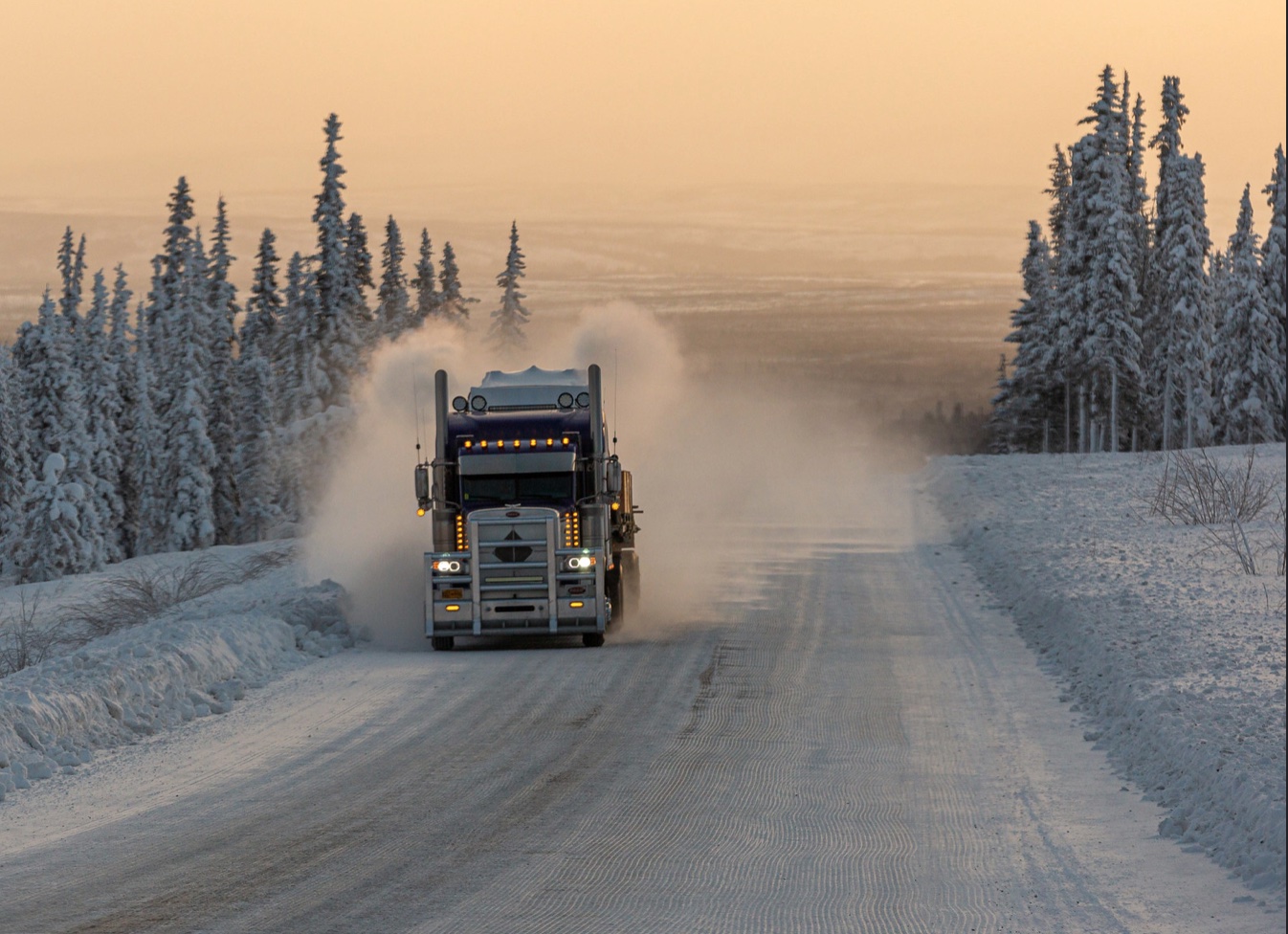
US Sen. Dan Sullivan has introduced the Freedom to Haul Act, aimed at rolling back the Biden administration’s electric vehicle mandates for the trucking industry.
The legislation is part of a broader Republican initiative to counter regulations imposing impractical and costly burdens on businesses and consumers.
Sen. Sullivan, a member of the Senate Environment and Public Works Committee, wants to reverse the Biden Environmental Protection Agency’s “Greenhouse Gas Emissions Standards for Heavy-Duty Vehicles – Phase 3” rule, which is a de facto EV mandate on the trucking industry. These regulations disproportionately impact rural states like Alaska, where extreme cold, vast distances, and infrastructure limitations make widespread EV adoption impractical.
“The delusional and costly Biden-era EV mandates are not only disastrous for our economy, they are also completely impractical in rural states—like Alaska—which has extremely cold temperatures and communities separated by thousands of miles where reliable transportation is a matter of life and death,” Sullivan stated.
“President Trump revoked these ridiculous mandates by executive order on day one, halting far-left radical environmentalists’ thinly disguised attempt to get rid of the internal-combustion engine that would only hurt hard-working families across the country and deepen our reliance on Chinese Communist Party-controlled critical minerals. My colleagues and I are backing President Trump’s action with legislation to overturn these ludicrous rules and ensure that our truckers can continue to reliably haul and deliver the goods and services that Americans and Alaskans rely on.”
The Freedom to Haul Act has garnered support from key industry stakeholders, including the Alaska Trucking Association, the American Trucking Association, and Americans for Prosperity.
“The Alaska Trucking Association stands proudly alongside the trucking industry in its dedication to reducing emissions and fostering a sustainable future. We commend the efforts of industry stakeholders who have continuously demonstrated their commitment to innovation and progress while ensuring the smooth movement of goods across our nation. We deeply appreciate Senator Sullivan’s introduction of the Freedom to Haul Act, a critical step in advocating for balanced and practical federal emissions standards,” the Alaska Trucking Association wrote.
The trucking industry has proven its commitment to reducing emissions, “but regulators unfortunately turned their backs on industry stakeholders in support of unworkable mandates. ATA is grateful to Senator Sullivan for introducing the Freedom to Haul Act, which will ensure that ambitious but achievable federal emissions standards do not pick technology winners and losers,” the American Trucking Association wrote.
Americans for Prosperity, a national group active in Alaska, said, “Senator Dan Sullivan understands that Alaskans require diesel and petrol-powered modes of transportation to move goods, fuels, and commerce throughout the very remote regions of his home state. After four years of ‘Bidenomics,’ it’s time to turn the page on the forced electrification of our commercial trucking industry. Let’s stop the scare tactics of the EPA and provide regulatory certainty to commercial trucking operators throughout the United States.”
Sen. Sullivan’s bill is part of a broader legislative package introduced by Republican senators aimed at overturning what they consider overreaching environmental regulations:
- Choice in Automobile Retail Sales (CARS) Act – Sen. Mike Crapo: Repeals the Biden EPA’s tailpipe emissions standards for passenger cars and trucks, preventing mandates that effectively require EV adoption.
- Preserving Choice in Vehicle Purchases Act – Sen. Markwayne Mullin: Prevents the implementation of the Biden EPA’s Advanced Clean Cars II regulation, which mandates the phase-out of gasoline-powered cars by 2035.
- Stop California from Advancing Regulatory Burden (CARB) Act – Sen. Mike Lee: Eliminates the Clean Air Act waiver exemptions that allow California to enforce stricter emissions standards than the federal government, which critics argue increases costs and reduces consumer choice nationwide.


