The nation of Taiwan conducted elections and retained the independent-minded incumbent, with voters turning away from the China-aligned candidate.
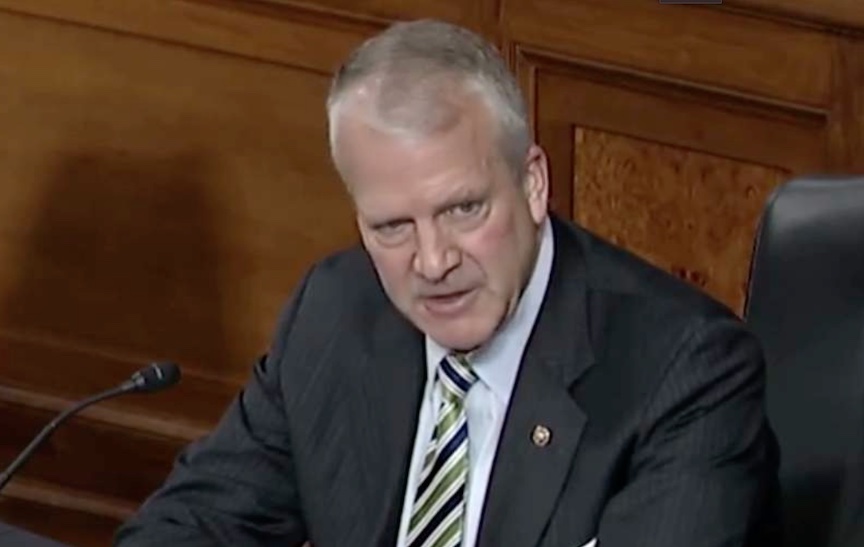
U.S. Sen. Dan Sullivan, who studies Taiwan and China issues routinely, issued a statement, congratulating President-elect Lai Ching-te and Vice President-elect Hsiao Bi-khim, who favor ties with the United States.
Senator Sullivan and Sen. Tammy Duckworth of Illinois said in a statement, “Just two days ago, the Senate unanimously approved a resolution sponsored by nearly half its members commending Taiwan on this historic occasion. The ties between the U.S. and Taiwan are deep and strong. They have held fast for more than 70 years—thanks in no small part to the U.S. Senate and the Taiwan Relations Act (TRA) it passed in 1979.
“It is critical that America stand with Taiwan because Taiwanese democracy has a challenge that others do not. It is under persistent, severe threat from the Chinese Communist Party and its military. Even during Taiwan’s election—in fact, because of its elections—it was forced to deal with attempts at coercion,” Sullivan said. “To Taiwan’s great credit, it resisted. The U.S. must continue to work hand-in-glove with Taiwan and use all instruments of national power to preserve peace in the region.”

As President Biden boarded Marine One on his way to Camp David for the weekend, he took questions from reporters. The first question was: “Mr. President, do you have a reaction to the Taiwan election?”
Biden said just one line, “We do not support independence.” It was a clear signal to China that he is pro-communist China ruling the island nation-state.
The United States does not recognize Taiwan as a separate country from China, although since 1949 it has been ruled by a separate government than China, which seeks to bring it back under communist control.
“As a leading democracy and a technological powerhouse, Taiwan is a key U.S. partner in the Indo-Pacific. Though the United States does not have diplomatic relations with Taiwan, we have a robust unofficial relationship,” the State Department says.