
Twelve U.S. House Democrats and nearly all Republicans approved an aid package for Israel, which passed the House in a 226-196 vote.
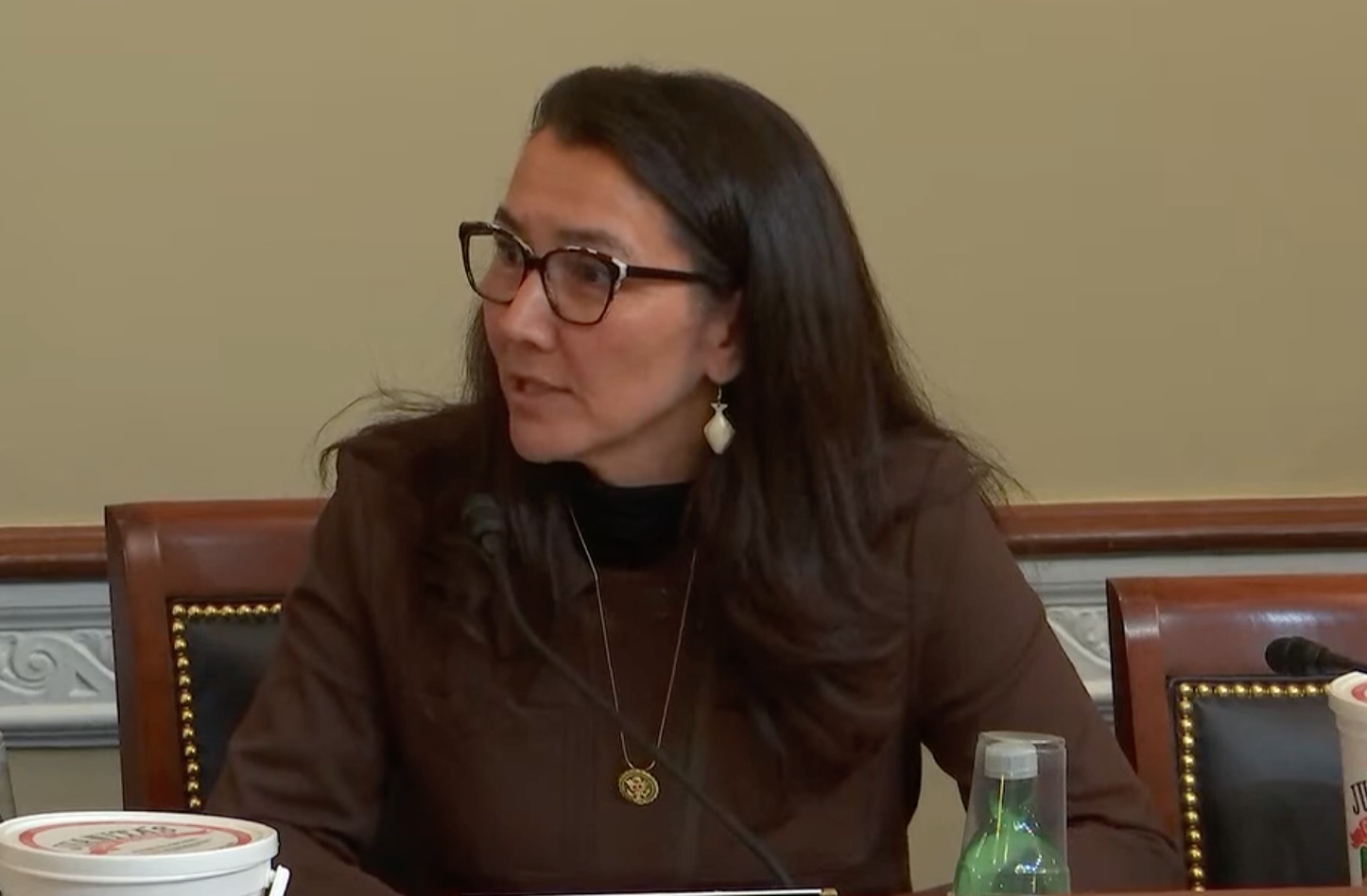
But not Alaska’s Rep. Mary Peltola, who voted no on the package that give military aid to the embattled ally, which is fighting Hamas radicals after the Palestinian government attacked Israel on Oct. 7, killing over 1,400 Israelis, and butchering, raping, torturing, and kidnapping Jews.
“It’s imperative that the U.S. sends a message to the world that threats made against Israel and the Jewish people will be met with strong opposition,” House Speaker Mike Johnson said on X/Twitter.
The funding for Israel’s defense would come from money that is set aside for the Internal Revenue Service, which was greatly expanded last year in the Inflation Reduction Act, a bill that has done little to control inflation.
The Senate, run by Democrats, is expected to kill the legislation or at least roll it into a funding package that includes money for Ukraine. Senate Majority Leader Chuck Schumer called the bill “a joke. The Senate will not be considering this deeply flawed proposal.”

President Joe Biden said he will veto the House bill if it ever reached his desk because it is “bad for Israel, for the Middle East region, and for our own national security.” Biden supports the Democrats’ approach to include Ukraine and Israel in a $106 billion aid bill, while the House Republicans want those aid packages separated out.
“Despite enduring a brutal terrorist attack and the potential for an erupting regional or even global war beginning in the Middle East, Mary Peltola has now officially voted against supporting our longtime partner and ally, Israel,” wrote congressional candidate Nick Begich, a Republican. “Allied relationships are more than friendships, they are enduring bonds between nations. Our allied relationships represent commitments that we have made and must honor if we expect those commitments to be honored in return. Israel and the United States work together on multiple fronts, from intelligence to counter-terrorism to numerous private sector technology partnerships, and more.”


