
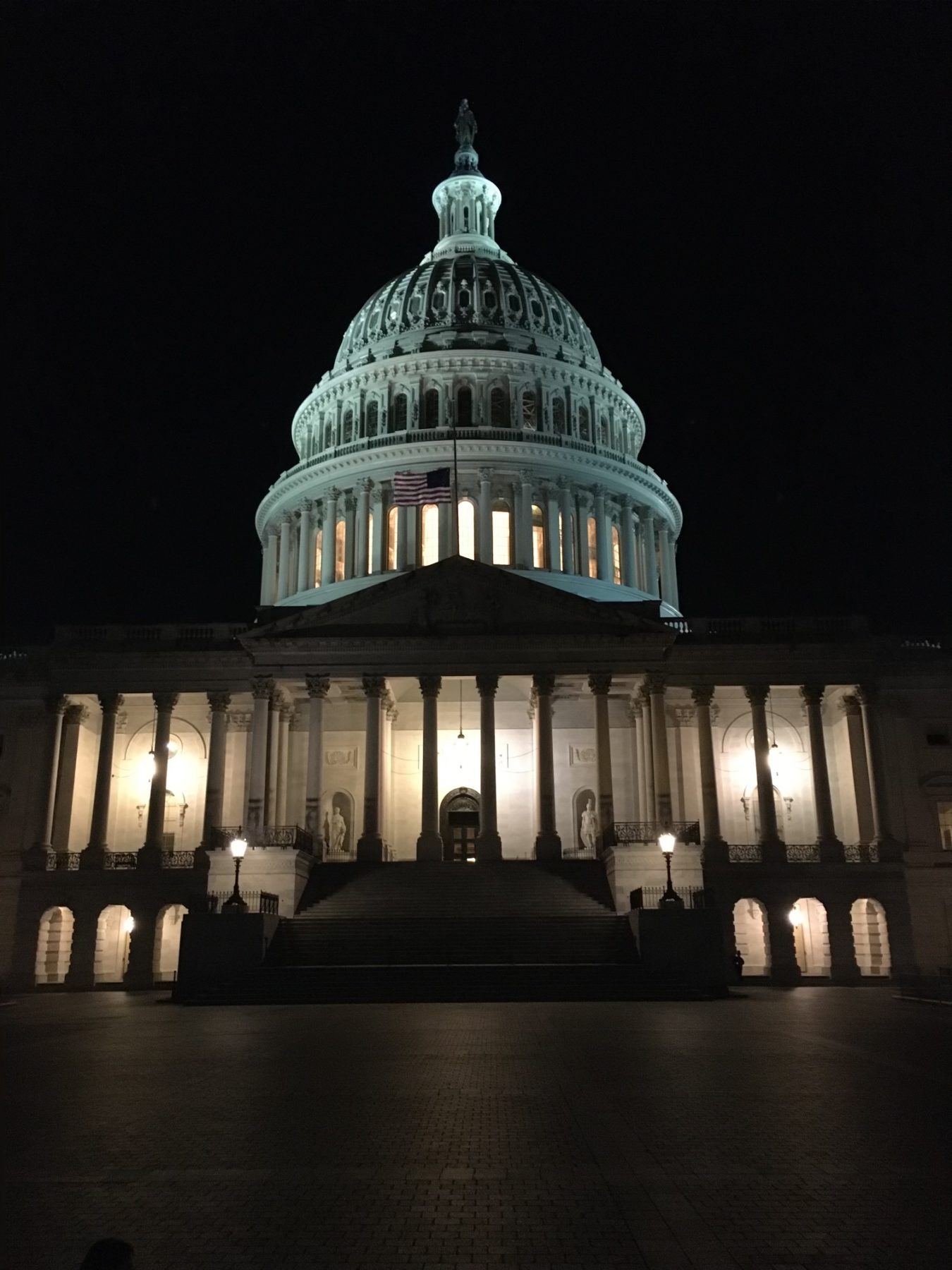
On May 1, U.S. Treasury Secretary Janet Yellen notified Congress that the Treasury Department could run out of cash on hand and would have to take even more “extraordinary measures” than simple emergency borrowing.
That comes as soon as June 1 and as late as early August, depending on the amount of payments remitted to the government before June 15 by taxpayers.
With a divided government, normally Americans would expect a deal of some sort between the Republican House and the Democrat-controlled Senate and White House. Polls show that Americans are solidly on the side of Republicans, in wanting to reduce spending and hit the brakes on borrowing. They feel the effects of runaway inflation and understand that federal borrowing is the obvious cause.
Federal spending has increased from $5.1 trillion in 2019 to over $6.3 trillion in 2022. That’s over a 23.5% increase, much of it to fund Green New Deal priorities of the Democrats, who are largely in charge of the direction of the federal government.
The federal budget has also grown from 21% to 25% of gross domestic product in three years, and now stands at over 120% of GDP, greater than even during the Great Depression. Interest payments borne by Americans are set to exceed $1 trillion a year.
The current debt-to-GDP ratio is troubling, ratio of the public debt to the country’s gross domestic product, is troubling. The higher the debt-to-GDP ratio, the less likely the country will pay back the debt, leading to a risk of default, which could lead to one of two outcomes: Dramatically increased inflation or extreme austerity measures.
The government’s debt is now 129% of GDP, as of the end of 2022, according to the Office of Management and Budget in the White House.
“Debt-to-GDP ratios above 77% can hinder economic growth and (in some cases) place a country at risk of defaulting on its debts, which could wreak havoc on its economy and financial markets,” writes World Economic Review.
The warning bells started in January, when the Treasury Department slammed into the $31.4 trillion debt ceiling set by Congress. Janet Yellen’s Treasury employed emergency borrowing authority to pay for government operations and pay for entitlements.
Former Republican congressional candidate Nick Begich shared his thoughts: “The concept of automatically raising the debt ceiling without debate is nothing more than a convenient escape from fiscal responsibility. It paves the way for unchecked government spending, burdening future generations with the weight of our irresponsibility.”
In a letter signed with other Democrats, Rep. Mary Peltola said that failure to raise the debt limit would prevent the federal government from meeting its legal obligations, including Social Security and Medicare benefits, military salaries, and tax refunds.
That’s dodging the real issue, said Begich.
“We must meet our obligations and we will. Averting a short-term crisis by plunging ourselves further into long-term debt is not a solution. It’s time we stop kicking the can down the road and start addressing the root cause of our financial problems — excessive spending,” he said.
As this debt ceiling showdown continues, voices like Begich’s are calling for fiscal sanity. “We must restore fiscal responsibility to Washington. That begins with a serious, responsible conversation about our national debt, not bypassing the debate once again,” he said.


