
By PAULETTE SCHUERCH
As Typhoon Merbok bore down on Northwest Alaska, we in the Northwest Arctic Borough braced for impact as the storm made a beeline for us. Tensions were high, but everyone pulled together to work together, communicate, and ensure that all in the community were safe. This is how it is in rural Alaska – we come together for the greater good. “Taikuulapiaq,” to those who called and checked on us, who offered help, and especially to those who roamed around our communities to ensure everyone’s safety. We offer our prayers for those who were hit hard.
For the last two years, we have been pretty much locked up due to COVID mandates. Some people lost jobs (including me) due to the pandemic, though I was lucky to have had a couple of opportunities during the midst of it all. In the end, when you walked outside to feel and smell the fresh air, we had hoped the worst of it was over.
But little did we know about what was lurking around the corner.
A shipping bottleneck, runaway inflation, recession, higher gas prices, higher stove oil costs, increased utility costs, less food on the shelves, and increased food costs. The list continues to grow.
Where do these problems all start? Who makes these decisions? The discussion over who is responsible must focus on Washington DC, where they make the decisions that affect everyone in the nation. And maybe those decisions affect us even more here in Alaska.
If you look online or see stories from the Lower 48, they’re talking about gas prices remaining above $4 per gallon in a lot of states, or even $5 in some places.
If only that were true here in Alaska! How about us in rural Alaska? Some of our communities are paying $10 to $17 per gallon, plus local city tax. We are in the midst of fall hunting, which is meant to shore us up and prepare for the long, cold winter. Because of fuel prices, families will be making tough decisions in the coming weeks – how to keep a roof over their heads, how to cover utilities, how to heat the home, and cook the food, among many other concerns.
We live here because these are our homelands, as they have been for thousands and thousands of years. And when we have needed things over time, we have adapted and changed. Our great-grandparents moved with the migration of our game and food opportunities, and we have since created these communities, our homes, our churches, and our schools.
And so when we need change now, we must adapt again. And this time we can do it at the ballot box.
I am Inupiaq and I vote!
Because there are important decisions being made in Washington, D.C., I am actually frightened about what this winter will bring us besides cold blizzards and higher living costs. And I don’t believe that our senior senator is looking out for us.
The decisions that Sen. Murkowski has made and the votes she has taken have hurt rural Alaska, crippling our economy by helping President Biden shut down our industries.
I once supported Lisa Murkowski, and in fact, helped in rural Alaska with her famous write-in campaign in 2010. But I cannot support her any longer, because I don’t believe she supports us. And we know that Murkowski brags about her seniority in the Senate, but I can’t see where that has gotten us anything.
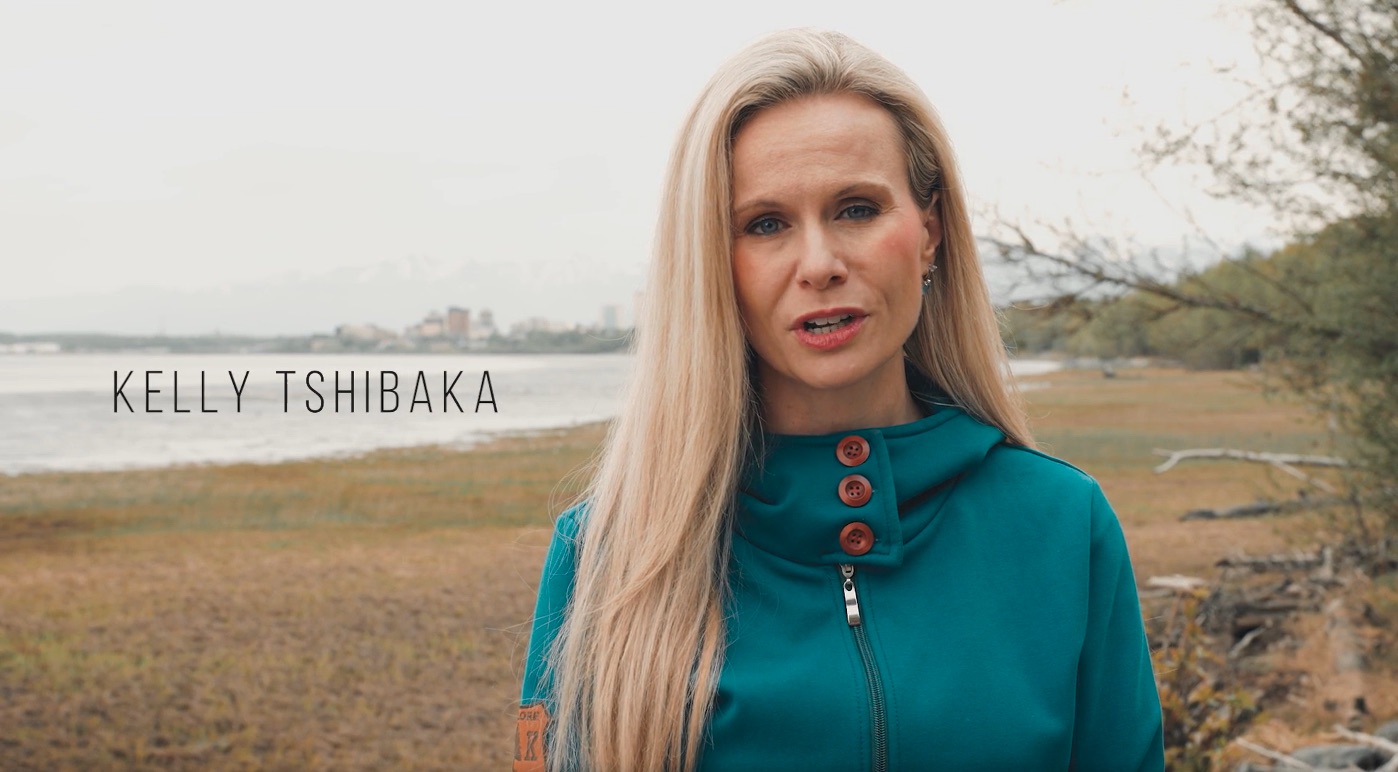
That’s why I am enthusiastically supporting Kelly Tshibaka for US Senate. She has consistently traveled through rural Alaska, meeting with our people and hearing their concerns – even spending the night sleeping on the floor of a local school gym.
So, when you slide behind that voting curtain, please join me in listing Kelly Tshibaka as your first choice on the ranked ballot.
It’s time for a change. And electing a new senator is how we adapt.
Paulette Schuerchwas born in Kotzebue and raised by her grandparents in Noorvik. She has fought for rural Alaska on the political stage, working for campaigns such as Governor Knowles, Governor Palin, Governor Walker, and Senator Murkowski’s 2010 write-in bid. She now supports Kelly Tshibaka for U.S. Senate.


