By Blake Gettys, Candidate for Lieutenant Governor, retired Air Force Brigadier General, and retired airline pilot
Alaska deserves elections that are simple, transparent, and trusted. That is not a partisan statement. It is a basic promise we make to every voter in this state.
In recent years, Alaska adopted a system that combines a nonpartisan top-four primary with ranked choice voting in the general election. It was presented as a reform. But after multiple election cycles, it is increasingly clear that the system has come with real tradeoffs, especially for voter confidence, clarity, and accountability.
Before this change, Alaskans understood how their elections worked. Political parties nominated their candidates. Voters chose the strongest representatives to carry their values into the general election. That process was clear, predictable, and gave voters a meaningful role in shaping their choices.
Today, that clarity is gone.
Instead of party primaries, every candidate competes on one ballot. The top four move forward, regardless of party. That means voters no longer help select their party’s nominee. It changes how campaigns are run and how candidates are chosen, often in ways that voters do not expect.

This shift also affects how we choose our executive leadership. Candidates for governor must now select their lieutenant governor before the primary even begins. That removes a layer of input that voters once had in shaping the leadership team that governs Alaska.
As Lieutenant Governor, I am responsible for overseeing elections. My focus is ensuring integrity, accuracy, and public confidence. Those principles are not optional. They are essential.
Ranked choice voting raises concerns in each of these areas.
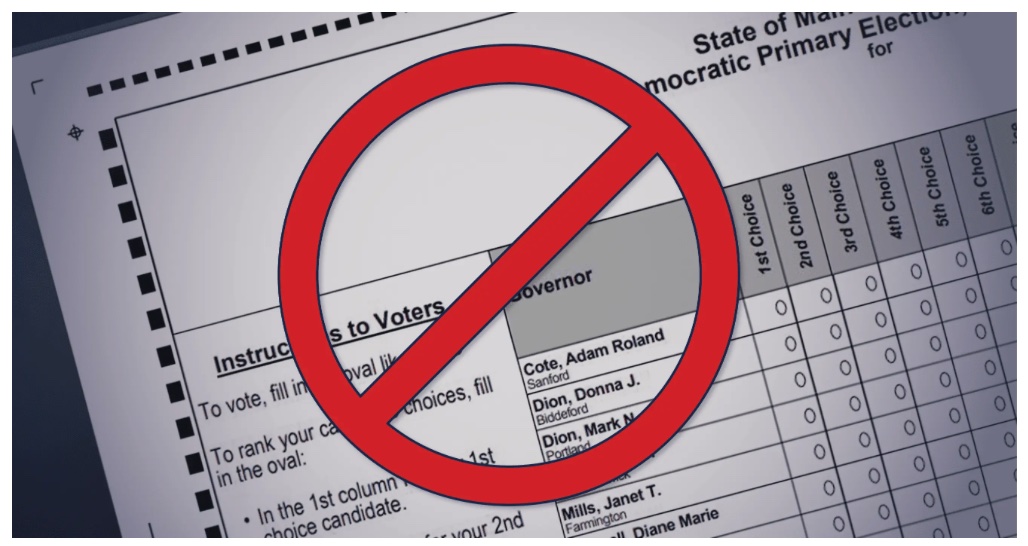
First, the system is more complicated. Voters are asked to rank candidates, often including individuals they do not know well. Some voters choose to rank only one or two candidates, while others attempt to rank them all. This creates a wide range of ballot outcomes and increases the chance of confusion or error.
Second, the idea of a majority winner is not always as simple as it sounds. When voters do not rank additional candidates, their ballots can drop out in later rounds. That means the final result reflects only the ballots still in play, not necessarily all the voters who participated. For many Alaskans, that raises legitimate questions about representation.
Third, transparency matters. Elections work best when voters can clearly understand how results are determined. A single-round election is easy to explain and easy to follow. A system that requires multiple rounds of redistribution is inherently harder for the public to track, even when it is conducted correctly.
Elections are not just about counting votes. They are about confidence. When voters feel unsure about how their ballot is counted, trust begins to erode.
We should always be willing to improve our systems. But any change must meet a simple standard. It should make voting easier to understand. It should strengthen trust. And it should ensure that every voter feels their voice is fully heard.
Alaska has always valued straightforward, commonsense solutions. Our elections should reflect that same principle.
With four candidates advancing past the open primary, there are 64 different ways a voter can fill out the general election ballot if a voter chooses to rank choice all candidates. That is not simplicity. When elections become this complicated, transparency and trust inevitably take a hit.
This op-ed was voluntarily submitted by the Hughes-Gettys campaign and not solicited by Must Read Alaska. All candidates running for elected office are welcome and encouraged to submit articles for publication. Must Read Alaska unequivocally supports the election of a conservative candidate to the Office of Governor but does not endorse a particular candidate.