By Rep. Kevin McCabe
Originally published 5/20/26 in the author’s personal Substack.
On May 14, while most of the national media was focused on Beijing and the Trump-Xi summit, something happened in Vancouver that should have every Alaskan paying attention. The Premier of British Columbia and the Canadian Energy Minister stood together and announced LNG Canada Phase 2 in Kitimat is moving toward a final investment decision by the end of 2026. Two levels of government lined up behind a major energy project, with a deadline, a financing path, and a clear signal that Canada intends to compete aggressively for Pacific LNG demand.
That same week, the Alaska Legislature was still debating whether we are willing to fix the tax structure standing between us and our own gasline project. Their target is the end of 2026. Ours is the end of 2026. The difference is that Canada is moving and Alaska is still arguing over whether we are prepared to act and what is in it for each borough.

I have been in Juneau long enough to recognize this pattern. North Slope gas has been discussed for more than forty years. Governors from both parties have supported getting it to market. Presidents from both parties have called Alaska LNG strategically important. Yet here we are again, watching the market move while we debate mill rates.
Meanwhile the project itself keeps moving. Glenfarne has signed preliminary long-term offtake agreements with TotalEnergies, JERA, Tokyo Gas, CPC Taiwan, PTT Thailand, and POSCO Korea, representing roughly 13 million tonnes per year toward the 16 million needed for FID. Baker Hughes is a strategic partner. Worley is advancing engineering. ConocoPhillips is committed as a gas supplier. Procurement is underway and construction planning is advancing.
Those same Asian buyers are exactly who LNG Canada Phase 2 is competing for out of Kitimat. There are not unlimited buyers waiting forever for Alaska to make up its fickle mind. These are long-term contracts that shape export markets for decades. Once signed elsewhere, they are gone for a generation. Canada may be our ally, but on LNG, Canada is our direct competitor, and right now they are moving with far more clarity and speed than we are.
The core issue is not complicated. Alaska imposes a 20 mill statewide property tax on oil and gas infrastructure. Glenfarne and AGDC have testified this sits well above what comparable LNG projects face elsewhere in the world. Whether legislators like hearing it or not, lenders pay attention to those costs. Projects do not get financed when the underlying economics are out of alignment with competing jurisdictions. That is not ideology. That is how project finance works.
The Department of Revenue’s own analysis showed that moving to a throughput-based structure would lower delivered gas costs to Alaskans, improve export competitiveness, and still generate more than $26 billion in combined state and local revenue over the life of the project. More than $22 billion to the state, nearly $4 billion to municipalities. Those are not developer talking points. Those are Alaska’s own numbers.
The reality is straightforward. If the project never gets built, there is no tax base to protect. We can insist on a tax structure that makes financing impossible and collect twenty mills on infrastructure that never exists, or we can structure the project to actually move North Slope gas to market before the opportunity disappears.
Meanwhile Cook Inlet keeps declining, ENSTAR is preparing for imports, and Southcentral families already see the consequences in their winter heating bills. This debate is not abstract to the people paying those bills. The same pipeline that supplies export markets also supplies Alaskan communities facing long-term energy insecurity if we keep delaying.
The legislation includes a sunset. If commercial operations are not underway by January 1, 2040, the structure reverts to the current system. Alaska is not permanently surrendering anything. We are creating a financing structure designed to get a project built while the market still exists.
The North Slope Borough has raised legitimate concerns because the gas treatment plant sits in their jurisdiction. That issue deserves a serious solution through the community impact mechanism. Legislators are also justified in requesting updated cost information from Glenfarne. Lenders will require it anyway. None of those concerns are unreasonable. But there is a difference between addressing legitimate concerns and using them as justification for endless delay.
This project still carries risk. So did TAPS.
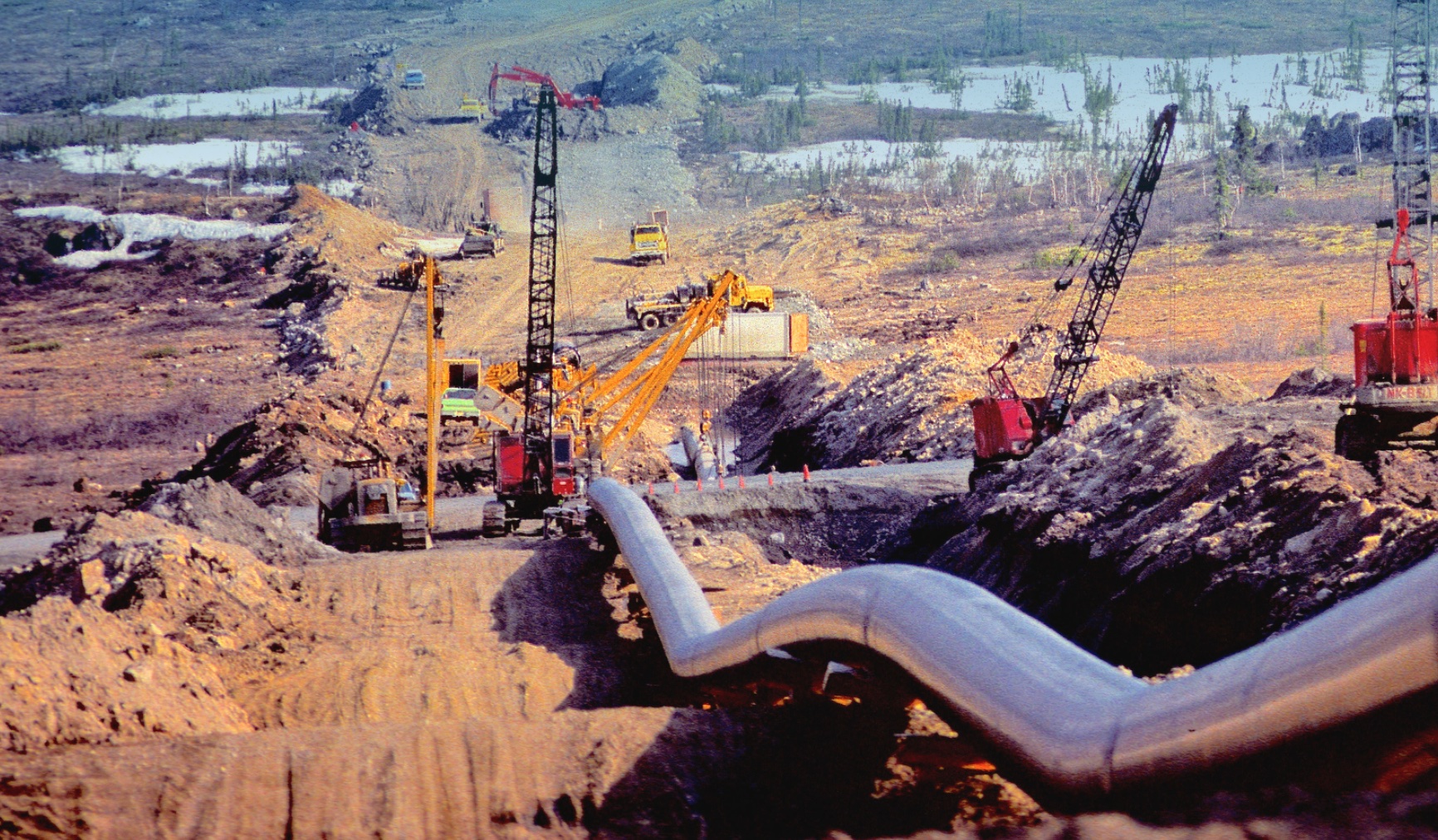
In 1972, the Seventh Alaska Legislature passed the Right-of-Way Leasing Act, the Alaska Pipeline Commission Act, and established the Department of Environmental Conservation, all in a single session, because lawmakers understood the scale of what was at stake. In 1973, after the oil embargo, the Eighth Alaska Legislature returned in special session and passed additional measures to move the pipeline forward as quickly as possible. Two legislatures, back-to-back, reshaped Alaska’s regulatory structure because they believed the long-term future of the state depended on it.
Every major road, every school, every Permanent Fund dividend, and much of the modern Alaska economy traces back to those decisions. The legislators who made them did not have perfect certainty. They had judgment, they had urgency, and they understood that waiting indefinitely carried its own risk.
That is the same choice Alaska faces now.
If we keep delaying, the outcome is predictable. FID slips. Buyers move to Canada. Kitimat secures the long-term contracts. Alaska’s agreements stay conditional. North Slope gas stays stranded. Cook Inlet keeps declining. And Alaska once again explains why a project everybody claimed to support somehow never got across the finish line.
At some point this stops being bad luck or bad timing and becomes a decision we made to destroy ourselves. No amount of retirement program will then be viable.
The biggest obstacle to Alaska LNG is not Washington, D.C., environmental litigation, or foreign competition. It is whether Alaska is willing to act before somebody else captures the market we spent decades assuming would still be there waiting for us.