
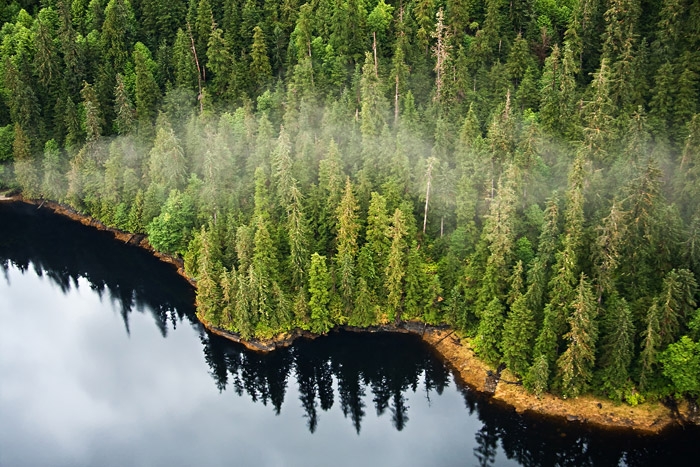
In all the decades that Alaska sold timber, it only received a few tens of million of dollars in revenues. But in the Clinton Administration, the federal government locked up the Tongass National Forest and the timber industry in Alaska all but dried up. There was just not enough in state forests alone to ever be commercially viable.
Now, Gov. Mike Dunleavy is looking at selling carbon credits for at least some of the forested land that is not harvestable. It’s done in other parts of the world and, with carbon credits, the state could make up to $1 billion a year in revenue. It will take years to roll out but if Alaska can’t cut the trees, can it profit from that sequestration of carbon in this new business of carbon credits? Gov. Mike Dunleavy wants to find out, and he needs the Legislature to pass a bill allowing him to develop contracts.
What he will propose is a carbon credit program for some forest lands and depleted oil basins, and even for seaweed forests off of the coast of Alaska.
Dunleavy said a firm has approached the state and said that such a program could yield more than $30 billion over 20 years, if Alaska will leave some forests intact. It would not prohibit other uses of the land, such as recreation, but the trees would not be cut in exchange for billions of dollars.


