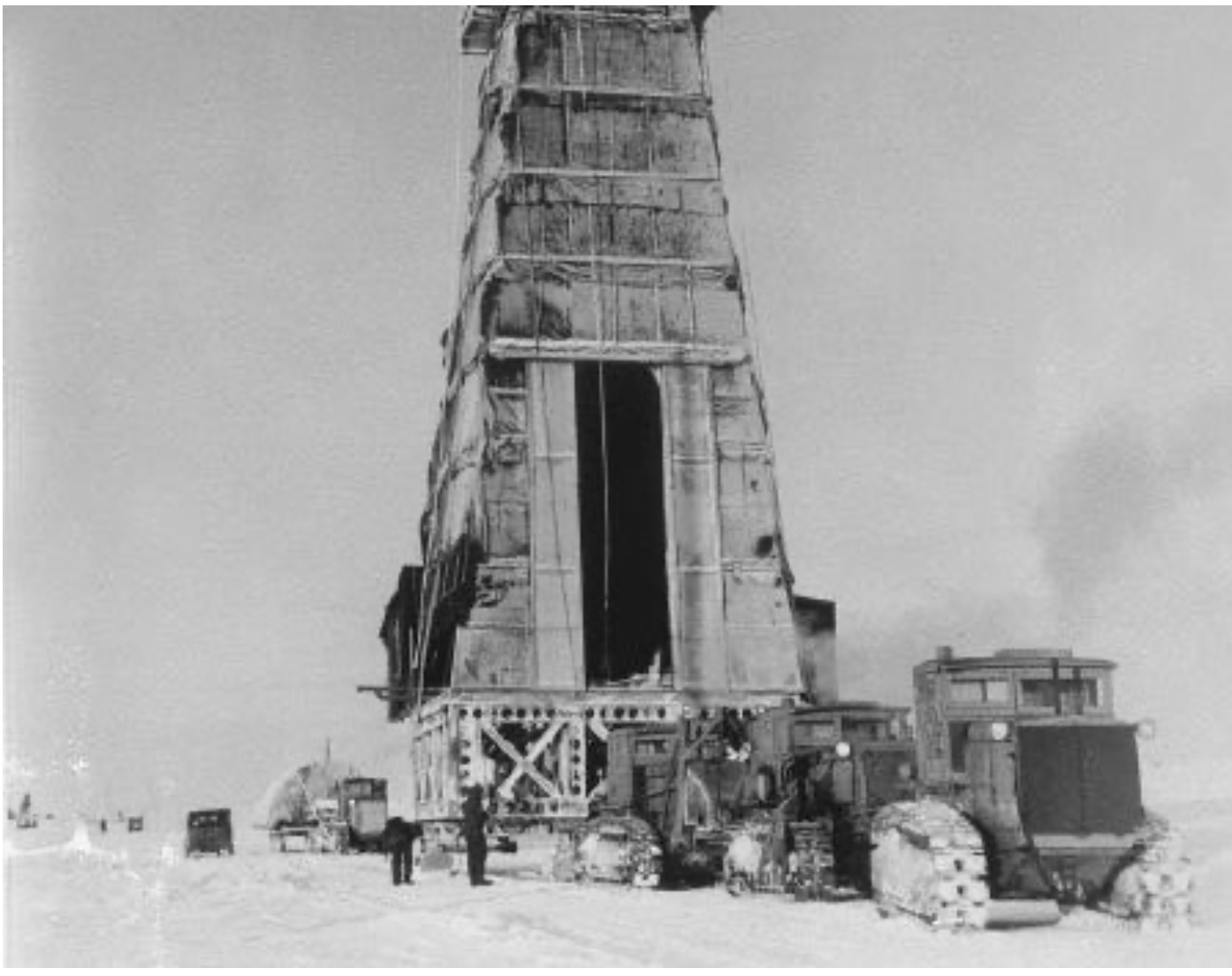
This weekend Alaskans wait to learn if the Biden Administration will allow two or three drill pads at the Willow Project in the National Petroleum Reserve-Alaska. But it was this weekend 54 years ago that oil was discovered at on the North Slope at Prudhoe Bay.
Just four years after the Great Alaska Earthquake, which occurred on March 27, 1964, Alaska was still in a rebuilding mode, with construction and reconstruction underway in Southcentral, which took the brunt of the magnitude 9.2 quake.
Up on the North Slope, the largest oil field ever discovered in North America was being drilled at Well #1. The well, drilled by Atlantic Richfield Company and Humble Oil and Refining Company, was confirmed the following year by BP Exploration. A frenzy of growth and development in Alaska ensued as other companies with leases on the North Slope raced to get ready for production. The Prudhoe Bay field became the 18th largest field discovered worldwide. At that time, Alaska’s population was only 285,000.
Prudhoe oil had to wait, however, until the Trans Alaska Pipeline was built to Valdez, which took another nine years. Oil finally flowed in 1977, and by 1979, about 1.5 million barrels were making their way down the Trans Alaska Pipeline System. That rate remained steady until about 1989, when the fields started to slow down.
By 2004, only about 475,000 barrels per day were being produced, and by 2020, the amount was down to 448,000 barrels per day, the lowest level of production since 1976.
25 billion barrels have come through the TAPS system from Prudhoe Bay to Valdez, and the world market beyond. While in 1988 it took 4.5 days for oil to travel the 800-mile pipe, it now takes 18 days.
Fifty-four years after oil was discovered, Alaskans are waiting to see if the president will allow them to continue to send oil down the pipeline, or if he intends to shut it down by starving it of product.
On Friday, the White House leaked the news that President Biden would approve the ConocoPhillips project called Willow, which is on the edge of the National Petroleum Reserve-Alaska. His press secretary, Karine Jean-Pierre, walked it back later that day and said no decision has been made, but that when an announcement comes, it will be from the Interior Department, not the White House.
Alaska depends on oil for its economy, but also for its very survival. In 2020, Alaska consumed more petroleum for electricity generation than any state except Hawaii, according to the Energy Information Association. Oil supplies 16% of Alaska’s utility-scale generation, the third most of any generation source behind natural gas (38%) and hydroelectric power (31%). One-third of the state’s households rely on petroleum products such as fuel oil, kerosene, or propane for heating.
Fun fact: Prudhoe Bay was named by British explorer Sir John Franklin after his classmate and friend Captain Algernon Percy, Baron Prudhoe.
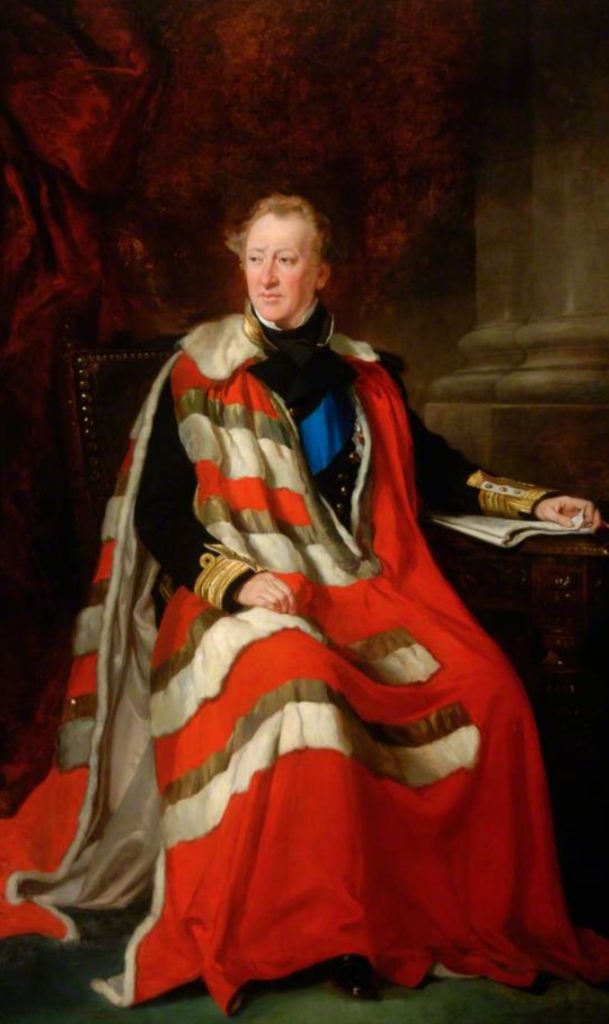
Franklin traveled along the north coast in 1826 from the mouth of the Mackenzie River in Canada almost to Point Barrow in search of the Northwest Passage. There is no indication that Baron Prudhoe, 4th Duke of Northumberland, ever made the trip.