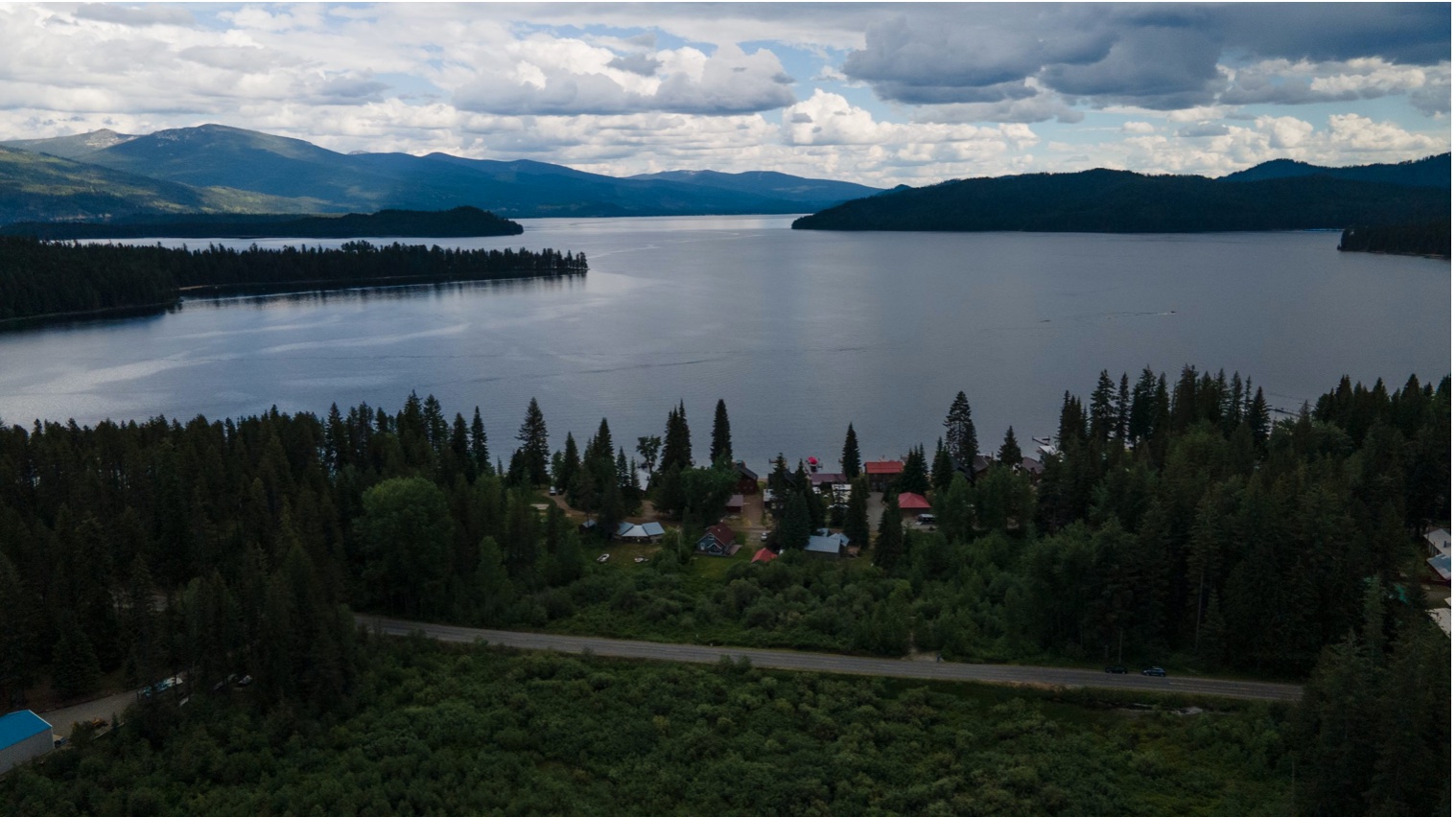
A case that has strong implications in wetlands-rich Alaska has made it to the U.S. Supreme Court calendar and will be the first case heard by the high court when it convenes on Monday, Oct. 3, for its 2022-2023 term.
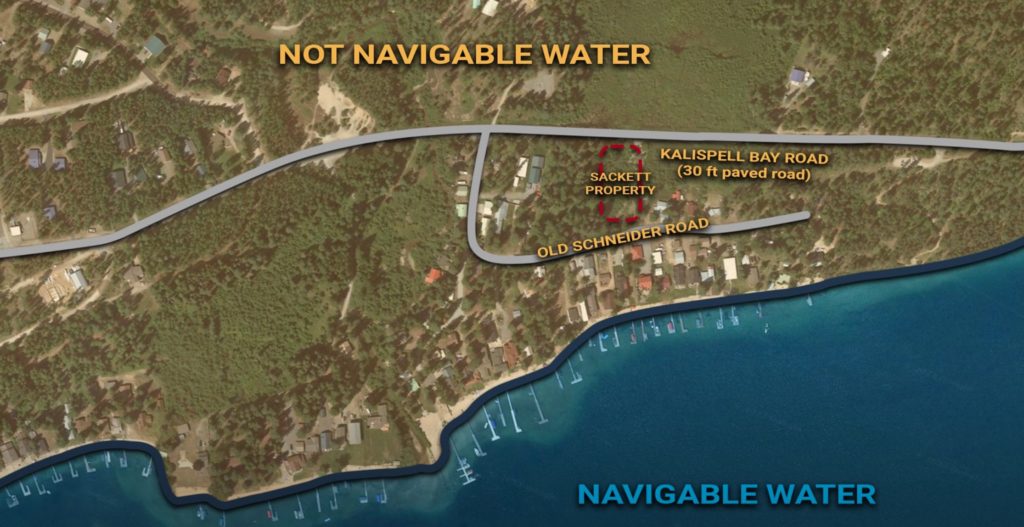
The case is Sackett v. EPA and stems from a lawsuit brought by a family in Idaho who was prevented in 2007 by the EPA from building a home on a piece of property that they bought in 2004 in a residential subdivision near Priest Lake, where other homes were built. The Sacketts paid $23,000 for their non-waterfront lot and had received all their local building permits, when the EPA swept in and locked up the land, declaring it a navigable waterway that falls under federal jurisdiction.
This will be the second time the case has gone before the Supreme Court. The Sacketts won a 9-0 victory at the Supreme Court in 2012, in which the court said they had a right to have their case heard by lower courts. That was 10 years ago. Now, nearly two decades after they purchased their land, they will get to argue before the Supreme Court that they have a right to build their home without having to get federal Clean Water Act permits.

The EPA, in its order to stop the ground work they were doing on their property that is 300 feet from the lake, claimed the Sacketts’ construction violated the Clean Water Act because the land was federally regulated “navigable water.” The EPA provided no proof that the land was actually navigable water.
Former Alaska Gov. Sean Parnell was the first governor to file a legal brief on behalf of the Sacketts.
The Sacketts are being represented by the Pacific Legal Foundation. Since the Supreme Court’s ruling, the Sacketts’ dispute “has languished in lower courts without resolution. The only progress in the decade since has been the EPA’s removal of the compliance order in 2020,” wrote the foundation.
“With the question of federal jurisdiction—and their homebuilding dreams—still in limbo, the Sacketts are returning to the Supreme Court. This time, they’re asking the court to clarify the scope of the EPA’s regulatory powers under the CWA. At stake is whether the EPA can expand the definition of “navigable waters”—which limits their authority—to include any semi-soggy parcel of land in the country,” the legal nonprofit wrote.
“A win would vindicate the Sacketts’ right to finally build their home and the rights of all landowners to make reasonable use of their property without abuse by overzealous federal regulators,” the foundation wrote.
EarthJustice disagrees, and has filed its own briefs in this case.
“The Sacketts’ case against the EPA, however, is not about a parcel of land, let alone a lake house, but is a coordinated push by industry polluters that want to blow a hole in the Clean Water Act, bulldoze cherished wetlands, and contaminate the country’s streams with waste from mining, oil and gas, and agro-industrial operations as they see fit, just to maximize their profits,” EarthJustice wrote.
Earthjustice’s amicus brief is on behalf of 18 tribes. “We will continue fighting to uphold and strengthen the Clean Water Act,” the group wrote.