
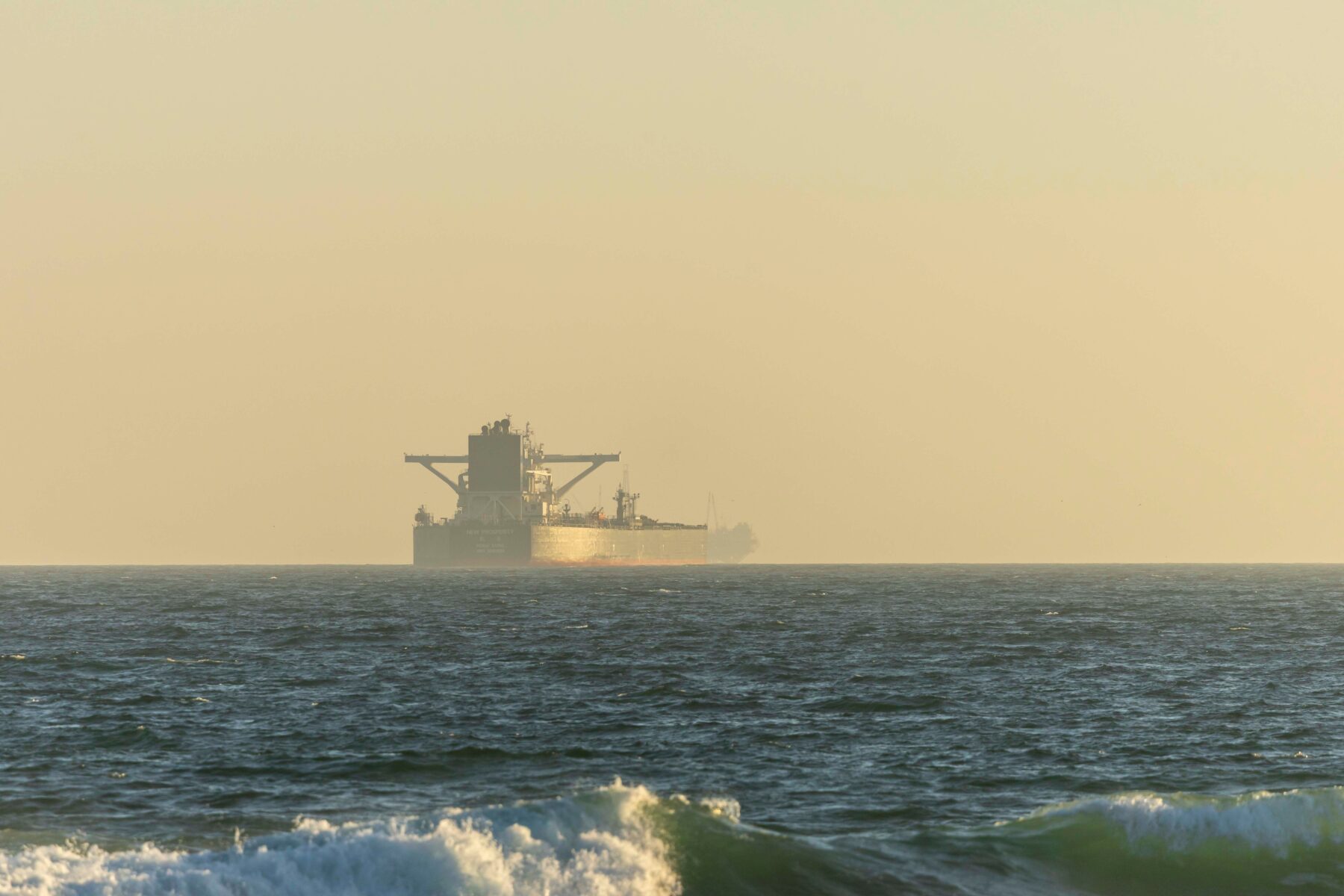
After sustaining high oil prices of over $120 a barrel, the United States has managed to maintain control of the southern lane of the Strait of Hormuz, boosting oil transportation volumes to approximately 10 million barrels a day— about half the pre-war volume. Prices have responded by lowering to around $85-$95 a barrel, approximately 25% higher than prices before the start of Operation Epic Fury.
According to reporting by Axios, a U.S. official with direct knowledge of the situation stated: “We have been controlling the southern lane of the Strait of Hormuz for two months now. The Islamic Revolutionary Guard Corps can be a nuisance, but they don’t control the strait. We do.”
A task force operating out of the Army headquarters in Fort Bragg, North Carolina has coordinated with regional Gulf partners to move multiple tankers through the southern lane of the strait all together at a single inbound time and a separate outbound time each day. U.S. Air Force fighter jets protect the ships from Iranian cruise missiles and drones. The operation works in large part due to the U.S. Central Command’s success in degrading Iran’s radar and maritime surveillance systems, hampering Iranian visibility of transits. U.S. officials have said Iran is operating only a few radars and small IRGC fast boats to monitor strait activity.

President Trump launched Operation Epic Fury on February 28, 2026, alongside Israel, seeking to eliminate Iran’s ability to secure nuclear weapons and aid Iranian citizens in securing freedom from an oppressive regime. The operation successfully assassinated the Iranian tyrant Ayatollah Ali Khamenei as well as other Iranian military leaders.
During his thirty-seven years as Supreme Leader, Ayatollah Ali Khamenei presided over a deeply oppressive authoritarian regime that systematically deprived the Iranian people of fundamental human rights, political freedoms, and personal autonomy. Under his rule, the regime brutally crushed domestic dissent through arbitrary detentions, widespread torture, and public executions, leaving no space for political opposition, a free press, or independent civil society. Through the violent enforcement of strict religious mandates by the Islamic Revolutionary Guard Corps (IRGC) and the morality police, his government ruthlessly suppressed women’s rights, targeted religious and ethnic minorities, and violently put down popular uprisings—most notably the 2009 Green Movement, the economic protests of 2019, and the 2022 nationwide “Woman, Life, Freedom” demonstrations, where security forces killed thousands of peaceful protesters and imprisoned tens of thousands more.
Following Khamenei’s assassination, power has largely remained in the hands of the IRGC with increased oppression of civilians, highly restricted press, and increased economic hardship due to Iran’s refusal to relinquish control of the Strait of Hormuz.


