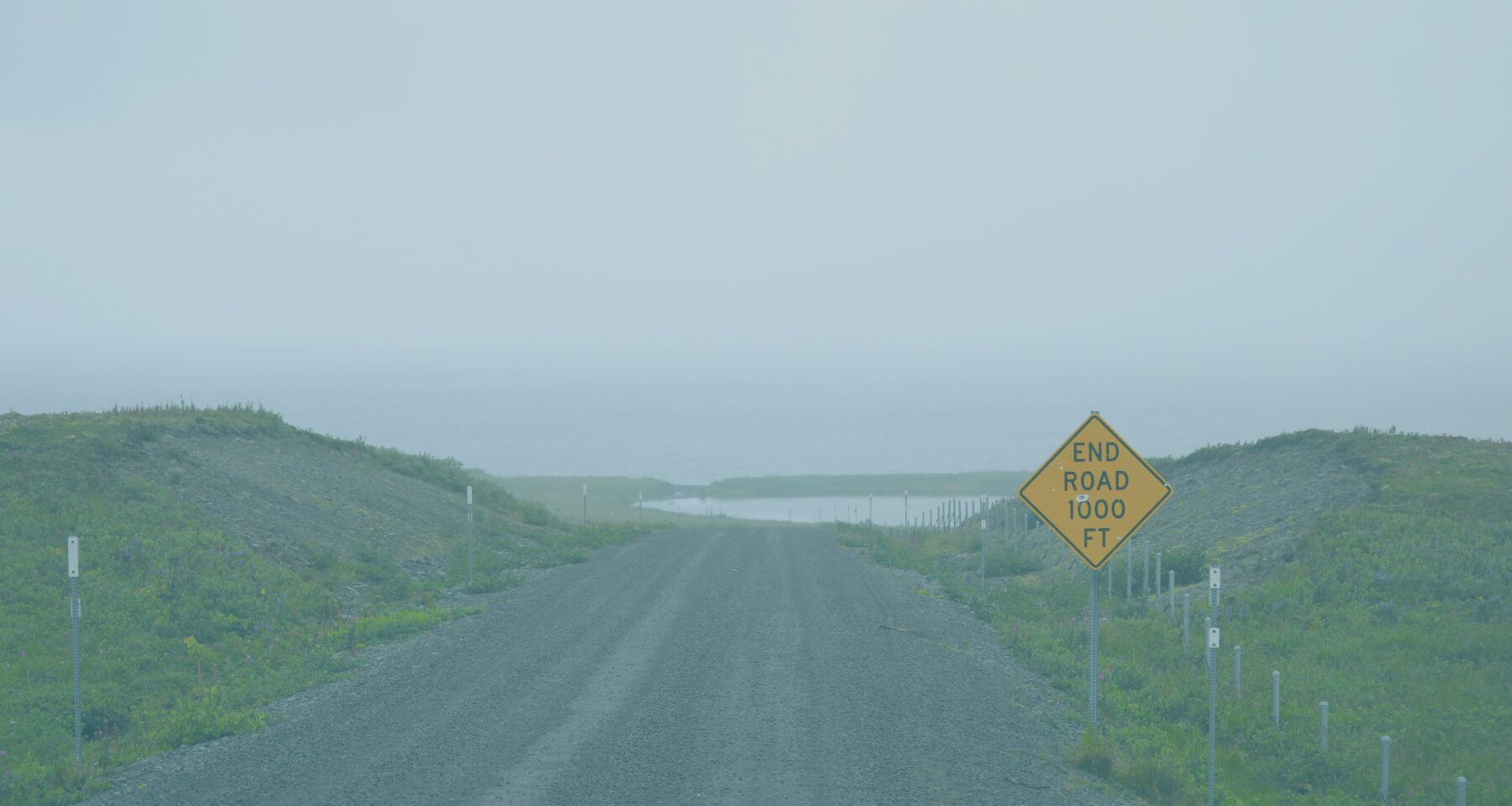
In a decision that prioritizes procedural requirements and wildlife protections over the urgent safety needs of an isolated Alaska Native community, U.S. District Judge Sharon L. Gleason on August 17, 2026, vacated Interior Secretary Doug Burgum’s approval of a land exchange that would have allowed construction of a road connecting King Cove to the all-weather airport in Cold Bay.
The ruling in the consolidated cases Native Village of Hooper Bay et al. v. Burgum, Friends of Alaska National Wildlife Refuges et al. v. Burgum, and Defenders of Wildlife v. Burgum nullifies the October 21, 2025, Agreement for the Exchange of Lands. It leaves the roughly 900 residents of King Cove—predominantly Alaska Natives—without the reliable overland access they have sought for generations to reach emergency medical care, especially during the violent storms that frequently ground boats and planes in the region.
King Cove and Cold Bay sit about 18 miles apart near the western end of the Alaska Peninsula, separated by the narrow Izembek Isthmus. Both communities are reachable only by sea or air. Cold Bay has a major all-weather airport capable of handling medical evacuations year-round; King Cove does not. Residents and local leaders, including the King Cove Corporation (KCC), an Alaska Native Village Corporation, have long argued that the lack of a road has cost lives and endangered families during medical emergencies. Historical records show the isthmus was regularly traversed before and after statehood, with shelter cabins documented in the 1930s and extensive vehicle use in the mid-20th century. A network of existing ATV trails still crosses portions of the area.

The 2025 exchange, authorized solely under Section 1302(h) of the Alaska National Interest Lands Conservation Act (ANILCA), would have conveyed approximately 490 acres of federal land within the Izembek National Wildlife Refuge—including about 336 acres of designated wilderness—to KCC for an 18.9-mile single-lane gravel road corridor. In return, KCC would have transferred roughly 1,739 acres near Kinzarof Lagoon to the United States, relinquished selection rights to about 5,430 additional acres inside the Refuge, and received a $48,050 cash payment to equalize values. Approximately 15.6 miles of the proposed corridor lay within the Refuge; 5.1 miles of that would have followed existing roads and trails. The agreement included detailed design criteria, construction standards, and mitigation measures but imposed no restrictions limiting the road to noncommercial traffic.
Secretary Burgum’s 56-page decision found that the exchange furthered ANILCA’s purposes by striking a proper balance between protecting scenic, natural, cultural, and environmental values; providing opportunities for continued subsistence; and addressing the long-term social and physical well-being of Alaska and its people—particularly the public health, safety, and economic needs of King Cove residents. The Secretary explicitly departed from prior administrations that had downplayed the economic and social needs of Alaskans as a relevant purpose under Section 1302(h). He noted that Indigenous peoples had used the lands for centuries and that local tribes and residents were not consulted when the Refuge and its wilderness designation were created.
Environmental plaintiffs—Native Village of Hooper Bay, Native Village of Paimiut, Chevak Native Village, Center for Biological Diversity, Friends of Alaska National Wildlife Refuges, Alaska Wilderness League, National Wildlife Refuge Association, Sierra Club, Wilderness Watch, and Defenders of Wildlife—challenged the exchange under the Administrative Procedure Act. They argued it violated ANILCA, the Endangered Species Act, the National Wildlife Refuge System Administration Act (Refuge Act), the Wilderness Act, and the National Environmental Policy Act. The State of Alaska intervened in support of the exchange. All parties filed cross-motions for summary judgment.
Judge Gleason’s 89-page Decision and Order delivered a mixed but ultimately devastating result for King Cove. On the core question of statutory authority, the court sided with the Secretary and defendants. It held that Section 101(d) of ANILCA does identify the economic and social needs of the State of Alaska and its people as a statutory purpose that the Secretary may consider when authorizing land exchanges under Section 1302(h). The court found the Secretary did not commit a clear error of judgment in concluding the exchange furthered ANILCA’s purposes, including those human needs. Claims under NEPA, ANILCA Section 810 (subsistence), and an APA “change of policy” theory also failed.
The court nevertheless vacated the entire decision for three independent reasons:
First, Title XI of ANILCA applied and was not followed. Title XI establishes a comprehensive process for authorizing transportation and utility systems in and across conservation system units in Alaska. Because the explicit purpose of the land exchange was to enable construction of a road, the court held that Title XI’s procedures governed. The Secretary did not comply with those requirements. Under the statute, any authorization that fails to meet Title XI “shall have no force or effect.” The court rejected arguments that Section 1302(h)’s “notwithstanding any other provision of law” language or the fact that the land would leave federal ownership after the exchange exempted the deal from Title XI. It concluded that allowing the Secretary to convey a road corridor through an exchange without following Title XI would create a loophole that undermines Congress’s carefully designed process for such projects.
Second, the exchange violated the Endangered Species Act. The U.S. Fish and Wildlife Service’s biological opinion on impacts to the threatened Alaska-breeding population of Steller’s eiders contained fundamental mathematical errors that understated effects, failed to properly issue an incidental take statement, and relied on flawed assessments of disturbance from increased hunting and boat traffic that a road would enable.
Third, the Secretary failed to comply with the Refuge Act. That statute requires the Secretary to determine that federal lands are “suitable for disposition” before exchanging them out of the National Wildlife Refuge System. The Secretary expressly declined to make that determination, treating the ANILCA analysis as sufficient. The court held the two inquiries are distinct and that the Refuge Act obligation applied.
Because of these defects—particularly Title XI’s automatic nullification language—the court found vacatur to be the appropriate and required remedy under the APA. It rejected arguments that the hardship to King Cove residents or the potential for delayed construction justified leaving an unlawful exchange in place. “Those circumstances cannot justify keeping in place an unlawful land exchange that would allow road construction to proceed,” the court wrote, while acknowledging “the serious concerns of the residents of King Cove that have sought for decades to have a road to Cold Bay constructed.”
The practical effect is immediate and clear: the land exchange is void. The federal lands remain in the Refuge and Wilderness. The patent and warranty deed that had been issued lose legal force. Construction of the road cannot proceed on the basis of this agreement. Any future effort would require compliance with Title XI’s full process, a corrected ESA consultation, and a proper Refuge Act suitability determination.
For the people of King Cove, the ruling continues a long pattern in which their basic need for safe, reliable access to emergency medical care has been subordinated to concerns about waterfowl, eelgrass beds, and spiders. While the court recognized that ANILCA itself balances human needs against conservation, its application of Title XI and other statutes has once again blocked the only practical solution the community has been offered. Residents who have watched family members suffer or die because weather grounded medevac flights now face more years of uncertainty. The decision underscores a persistent reality in Alaska land management: technical environmental statutes and judicial interpretations can, and often do, override the concrete human safety priorities of rural Native communities.