
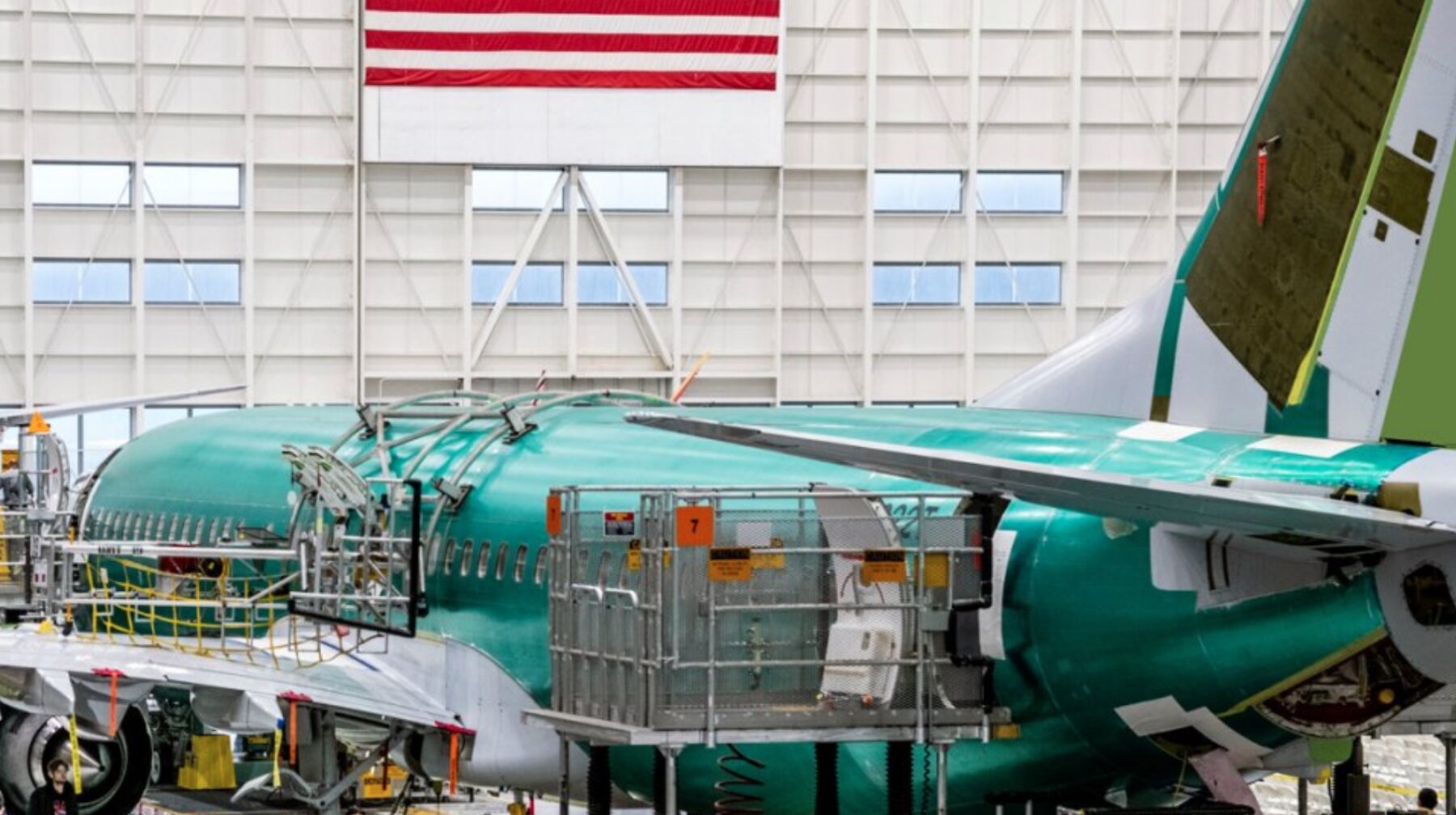
Although the likelihood may be remote, the chance is not zero that the Boeing 737 MAX engine anti-ice system could cause engine damage.
That was enough to cause the Federal Aviation Administration to order a fix.
The problem also presents on the 787 Dreamliner, with anti-ice system having caused “relatively minor” damage to an engine in more than one instance. The FAA says it requires fix for a new 737 MAX design problem. The problem was discovered by Boeing in the MAX’s engine anti-ice system, prompting the company to drop its request from a certain exemption from safety regulations.
The design flaw is not considered an immediate flight risk by the FAA, but the agency has issued two directives to Boeing to fix the problem and inspect, and then redesign the configuration for a permanent fix.
This is a separate issue from the door-plug bolts that were found to be missing from the 737-9 MAX that lost its plug mid-flight in January.
Boeing company representatives met with the FAA last week to go over the system-wide quality-control concerns.
“Boeing must commit to real and profound improvements,” Administrator Whitaker said following the meeting with Boeing Chief Executive Officer and President Dave Calhoun and his senior safety team. “Making foundational change will require a sustained effort from Boeing’s leadership, and we are going to hold them accountable every step of the way, with mutually understood milestones and expectations.”
Administrator Whitaker told Boeing he expects the company to provide the FAA with a comprehensive action plan within 90 days that will incorporate the forthcoming results of the FAA production-line audit and the latest findings from the expert review panel report, which was required by the Aircraft Certification, Safety, and Accountability Act of 2020.
That expert panel noted “a disconnect between Boeing’s senior management and other members of the organization on safety culture. Interviewees, including ODA Unit Members (UM) also questioned whether Boeing’s safety reporting systems would function in a way that ensures open communication and non-retaliation.”
“Boeing must take a fresh look at every aspect of their quality-control process and ensure that safety is the company’s guiding principle,” Whitaker said.
On Feb. 12, Whitaker was on the Boeing factory floor in Renton, Wash. to observe the 737 production line and hear directly from Boeing engineers, mechanics, and others about quality control processes. Whitaker also went to the Alaska Airlines headquarters to discuss the port-side mid-cabin door plug that blew out of Alaska Airlines Flight 1282 on Jan. 5 while in flight.
The FAA has halted production expansion of the Boeing 737 MAX, is exploring the use of a third party to oversee Boeing, and will wrap up its enhanced oversight audit of Boeing’s production and manufacturing quality systems in the coming weeks. An investigation into Boeing’s alleged noncompliance is also underway, the FAA said.


