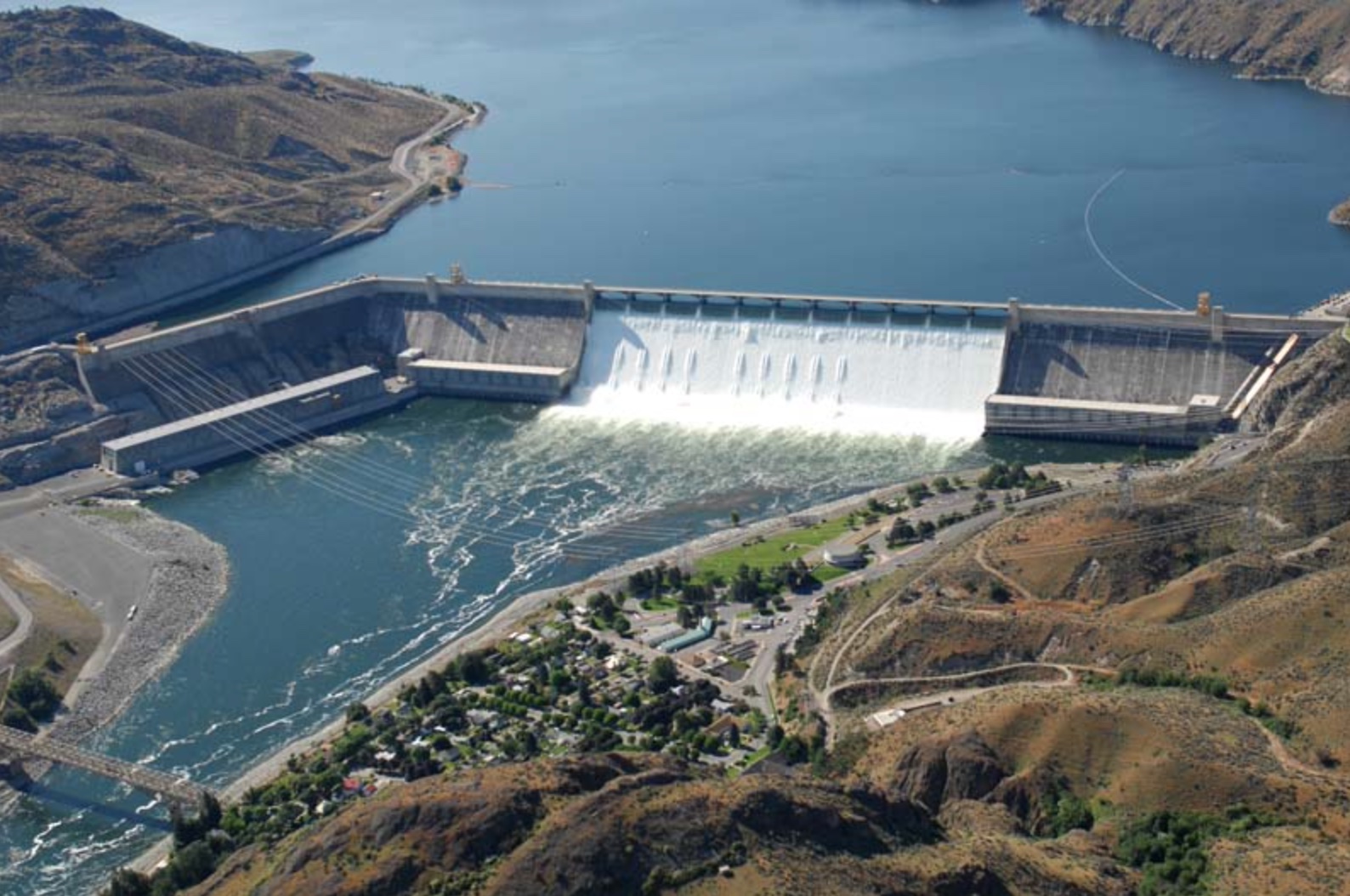
In an extensive document published this week, the Department of Interior says that the government was built dams on the Columbia River that harmed the tribes in the region. It is an admission of governmental guilt.
Dams blocked fish migration and flooded thousands of acres, as hydropower was delivered to a growing population of the Northwest.
Washington residents get 60% of their electricity from hydropower from these dams, but in the quest to restore salmon and habitat, the Gov. Inslee Administration is pushing for the removal of some of the dams; now the federal government may do the same, as this report will become part of tribes’ litigation against the dams and the federal agencies that built them.
Washington leads the nation in electricity generation from hydroelectric power. In fact, it accounts for about 25% of the nation’s total hydroelectric generation, according to the Energy Information Administration. The dozens of dams in the Columbia basin watershed are also critical to the nation’s food supply.

“Acknowledging the devastating impact of federal hydropower dams on Tribal communities is essential to our efforts to heal and ensure that salmon are restored to their ancestral waters,” said Interior Secretary Deb Haaland.
The 70-page report is at this link.
The Biden Administration’s in December announced a 10-year plan based on an agreement with tribes and state leaders to include removing four dams on the Snake River, part of the Columbia River watershed. The plan comes with a promise of more than $1 billion, plus previously appropriated billions. The removal of the dams is expected to take 10 years.
Washington has been using more and more electricity as electric vehicles become popular in the state. According to the Washington Department of Ecology, 20% of all vehicles sold in Washington last year. were EVs, more than twice the national average of 9.5%. Inslee has signed a law banning the sale of any new gas-powered car in the state after 2035, pushing more and more consumers to turn to hydropower to fuel their vehicles, at the same time dams providing power may be dismantled.
The average residential electricity rate in Washington is low due to hydropower. It averages 13 cents/kWh, which is 26% lower than the national average rate of 17 cents/kWh.
In Anchorage, the Democrat-run Assembly is also also working on a plan to force the removal of the Eklutna River dam, which provides up to 25% of electricity to Anchorage and provides power to the Mat-Su Borough; it also provides the majority of the city’s water supply.
The push for hydropower project removal is coming at the same time the Biden Administration has also set extreme goals for phasing out all vehicles that are not powered by electric batteries.