The $3.5 trillion budget reconciliation plan rolled out by Senate Democrats on Monday is the Green New Deal, wrapped in the New Deal, wrapped in the President Lyndon Johnson Welfare State.
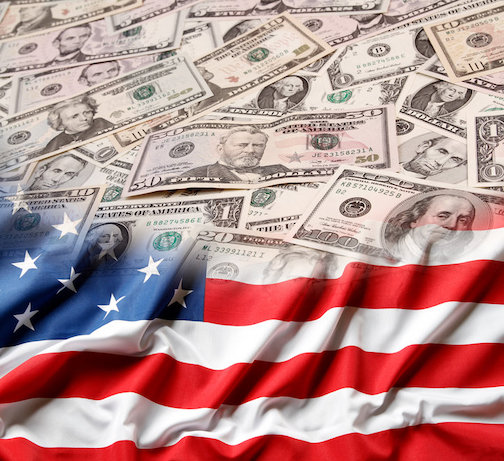
How big is $3.5 trillion? That’s the same amount the entire federal government spent in 2019.
This bill will make more people dependent on the federal government than ever before, whether it’s socialized health care or the massive public housing expansion envisioned. It incentivizes electricity over oil, and will create a climate industrial complex inside the federal government.
According to Democrats’ talking points, the plan:
- Establishes universal pre-K for 3 and 4-year-olds and a new child care benefit for working families
- Makes community college tuition-free for 2 years
- Extends the largest tax cut for families with children ever (CTC/EITC/CDCTC)
- Increases the Pell grant award
- Creates the first ever federal paid family and medical leave benefit
CLIMATE:
- Creates a new Clean Electricity Payment Program
- Provides clean energy, manufacturing, and transportation tax incentives and grants
- Imposes new polluter fees (methane and carbon imports)
- Invests in climate smart agriculture and forest management investments for farmers and rural communities
- Creates coastal and ocean resiliency programs
- Makes drought, wildfire, and Interior Department investments
- Provides new consumer rebates for home electrification and weatherization
- Provides environmental justice and climate resilience
- Electrifies the federal vehicle fleet and buildings
INFRASTRUCTURE AND JOBS:

- Historic level of investments in public housing, green and sustainable housing, housing production and affordability
- Establishes the first ever Civilian Climate Corps
- Invests in workforce development and job training programs to connect workers to good-paying jobs
- Provides green cards to millions of immigrant workers and families
- Funds smart technology for safe and efficient borders for trade, travel and migration
- Largest ever one-time investment in Native American infrastructure projects
- Rehabilitates aging Veterans Administration buildings and hospitals
- New economic development investments to revitalize communities and transform regions for new innovationjobs
- Invests in research and development and strengthens U.S. manufacturing supply chains
- Expands access to capital and markets for small businesses
HEALTH CARE:
- Adds a new dental, vision, and hearing benefit to the Medicare program
- Extends the recent expansion of the Affordable Care Act in the American Rescue Plan
- Invests in home and community-based services to help seniors, persons with disabilities and home careworkers
- Creates a new federal health program for Americans in the “Medicaid gap”
- Reduces prescription drug costs
The cost of this plan will be in a revenue section the Democrats did not talk about, but that includes higher taxes on the wealthy, a death tax on inheritances, and a higher tax on corporations.