
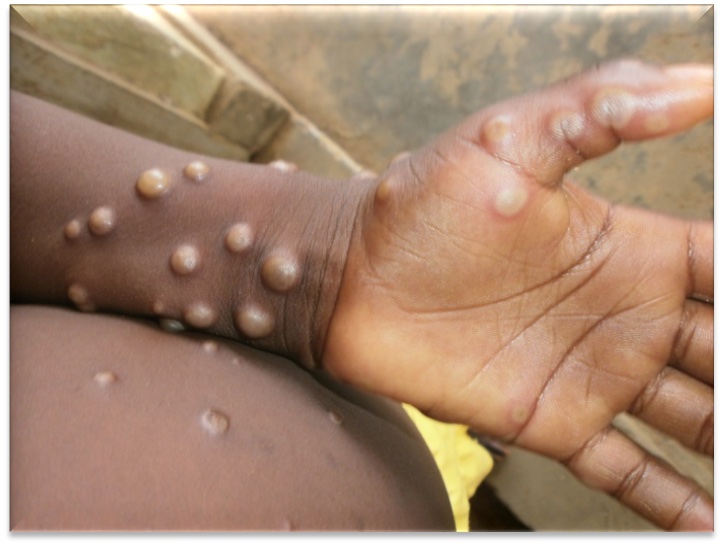
The Biden Administration may declare monkeypox a public health emergency, as the number of cases in the U.S. nearly doubled in a week. Fifty Democrat lawmakers from the U.S. House sent President Joe Biden a letter asking for the emergency declaration, along with additional funds to be spent to protect the vulnerable from the disease, get more vaccines manufactured and
The administration is looking at “what are the ways the response could be enhanced, if any, by declaring a public health emergency,” said White House Covid response coordinator Ashish Jha on Friday, who said the topic is an active conversation at the Department of Health and Human Services.
On May 22, Jha had a different viewpoint on it, saying he doubted monkeypox would have any widespread impact in the United States.
“I feel like this is a virus we understand,” he said on ABC’s “This Week.” But that same week, President Biden said monkeypox is something “everybody should be concerned about.”
The number of U.S. cases in May were less than 200. On Friday, there were 2,891 confirmed cases in the country, double from the previous week, and the disease was present in all but six states. In the United States, 99% of the cases are related to male-to-male sexual contact, WHO reports. The CDC puts the number at 97%. The first two cases of the disease in children have ben confirmed — one is a toddler in California, and the other was an infant who is not a U.S. resident. Both are presumed to have caught the disease from someone in their household.
The World Health Organization has issued its highest-level emergency alert over the monkeypox outbreak, which has grown to more than 16,000 cases in 75 countries. Only five deaths have been reported from the outbreak, said WHO director general Dr Tedros Adhanom Ghebreyesus.
The global health alert came at the end of a WHO emergency committee meeting on the virus. Only two other such global health emergencies are current from WHO: the Covid-19 pandemic and polio.
The WHO emergency comes with a set of directives and advice for countries, which can be read at this link. In the advice, it asks those who are having large gatherings where casual sex is part of the expectation to hold off.
Other points made in the WHO declaration refer to the initial stages of the HIV/AIDS pandemic:
- The multi-country outbreak of monkeypox meets all the three criteria defining a public health emergency (PHEIC) contained in Article 1 of the Regulations (1. an extraordinary event […] 2. constitut[ing] a public health risk to other States through the international spread of disease 3. which may potentially require a coordinated international response);
- The moral duty to deploy all means and tools available to respond to the event, as highlighted by leaders of the LGBTI+ communities from several countries, bearing in mind that the community currently most affected outside Africa is the same initially reported to be affected in the early stages of HIV/AIDS pandemic;
- The observed rising trends in the number of cases reported globally, in an increasing number of countries, and, yet, likely to reflect an underestimation of the actual magnitude of the outbreak(s);
- The cases of monkeypox reported in children and pregnant women, which are reminiscent of the initial phases of the HIV pandemic;
- Future waves of monkeypox cases are expected as the monkeypox virus is introduced in additional susceptible populations;
- The modes of transmission sustaining the current outbreak are not fully understood;
- The changes in the clinical presentation of cases of monkeypox currently observed with respect to the clinical picture known to date;
- The need to generate further evidence related to the effectiveness of the use of both, pharmaceutical and non-pharmaceutical measures in controlling the outbreak;
- The significant morbidity associated with the monkeypox outbreak(s);
- The potential future implications on public health and health services if the disease were to establish itself in the human population across the world, particularly for an orthopoxvirus causing human disease, as global immunity has greatly declined after smallpox was eradicated.


