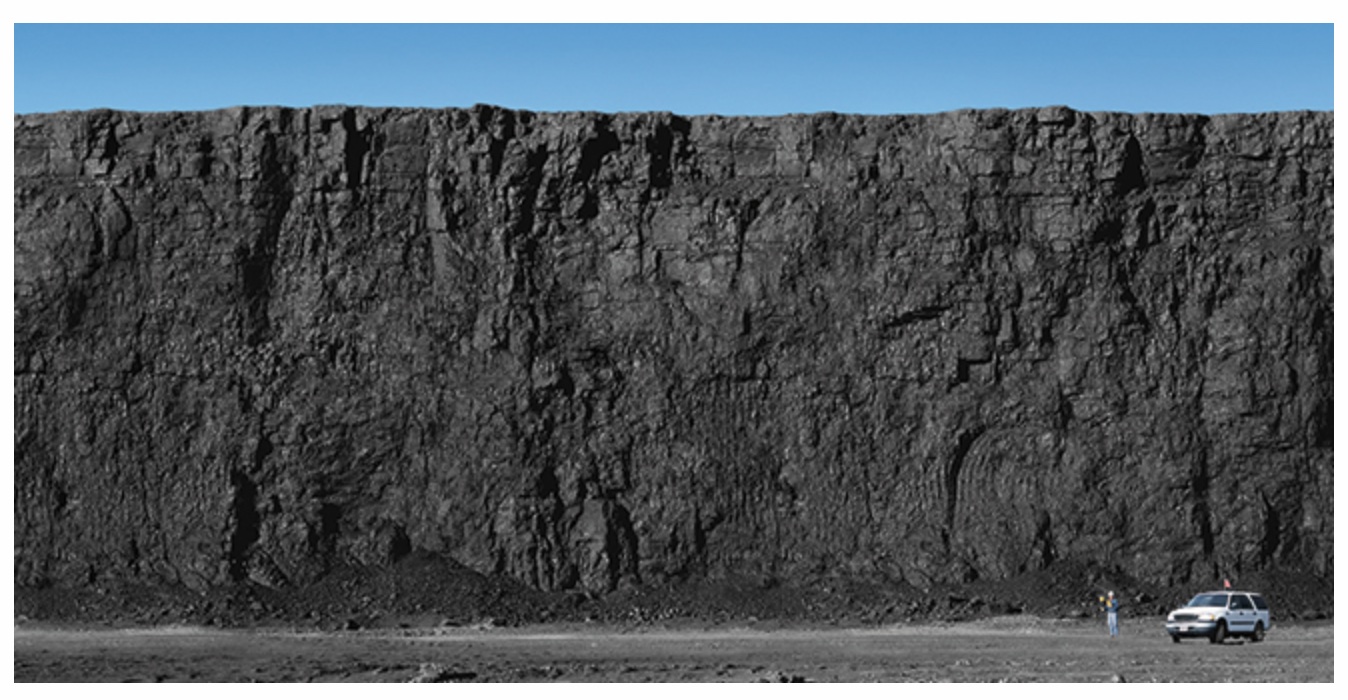
In a long-awaited action against coal producers, the Biden-Harris administration is halting new coal leases in the Powder River Basin in Wyoming and Montana, the largest coal mining region in the United States, which produces 40% of the nation’s power-generating coal.
Coal generates 16% of the nation’s electricity, second only to natural gas. This is the same electricity that not only lights and heats homes, hospitals, and businesses, but that charges up the electric cars that the Biden-Harris Administration wants everyone to drive.
The final decision by the Bureau of Land Management follows a court order to revisit its environmental review. The BLM will prevent extraction of 48.12 billion short tons of coal across 413,250 acres.
An analysis found existing reserves sufficient to meet demand until 2041, after which no more coal would be produced.
Wyoming Gov. Mark Gordon blasted the federal overreach and its potential impact on coal production and jobs. His administration will pursue legal action, arguing that the decision undermines the federal BLM mandate is to manage lands for multiple uses. The BLM under the Biden Administration now emphasizes only preservation and recreation.

“Coal production in the low sulfur, subbituminous coal Powder River Basin has been declining since the beginning of the Obama Administration when onerous regulations were placed on coal power plants and when low-cost and abundant natural gas was replacing much of its generation,” says the Institute for Energy Research.
The Biden-Harris administration is speeding up coal plant closures through EPA regulations requiring coal and natural gas plants, which together provide 60% of U.S. electricity, to implement costly and experimental carbon capture technology.
By 2032, coal plants must cut carbon emissions by 90% or face shutdown, despite the technology being unproven and economically impractical at scale. Critics argue this jeopardizes grid reliability and the role of these plants as backups for renewable energy sources.
Read an analysis of this Biden-Harris action against coal energy at Institute for Energy Research.
Alaska has one operating surface coal mine, the Usibelli Mine, which produces about 1 million tons of coal per year, most of which is used by coal-fired power plants and commercial and institutional users, such as the University of Alaska Fairbanks, Fort Wainwright and Eielson Air Force Base, Healy Unit #1 and Unit #2 power plants, and Aurora Energy. Some coal is was exported to Asia through the Seward Ore Terminal until 2016.
It’s unknown how federal requirements that require carbon capture will impact smaller operations like Usibelli, which would have to absorb greater costs than might be economically feasible.