In 2021, Bed Bath & Beyond made the decision to go with the company Environmental, Social, Governance (ESG) flow, and become a top 10 ESG retail employer by 2030. It made it as far as 2023.
The company focused on diversity, equity, and inclusion goals to reach at least 50% women representation and at least 25% racial and/or ethnic diversity at all levels in the workplace. It focused on its carbon footprint instead of its bottom line. It ignored business threats from Amazon, the online retailer. And performance was a lower priority than equity.
Two years later, the company has spiraled downward and today filed for bankruptcy with the goal of closing all of its stores unless it can find a buyer during Chapter 11 bankruptcy proceedings. The end result of Chapter 11 is often Chapter 7 dissolution, and in both cases, suppliers and contractors often get the short straw and are not paid what they are owed. Thus, small mom-and-pop companies will feel the ripple effect of this news, as will thousands of the people who work at the company.

Environmental, social, and governance (ESG) is a new tool that the financial investment sector is using to screen investments based on how well company policies perform as social leaders, according to a certain set of criteria.
ESG is controversial because publicly traded companies that adopt it shift their focus from their responsibility to investors. Instead, they align with ever-shifting social concerns — an arena where the goalposts are constantly moving and are ill-defined.
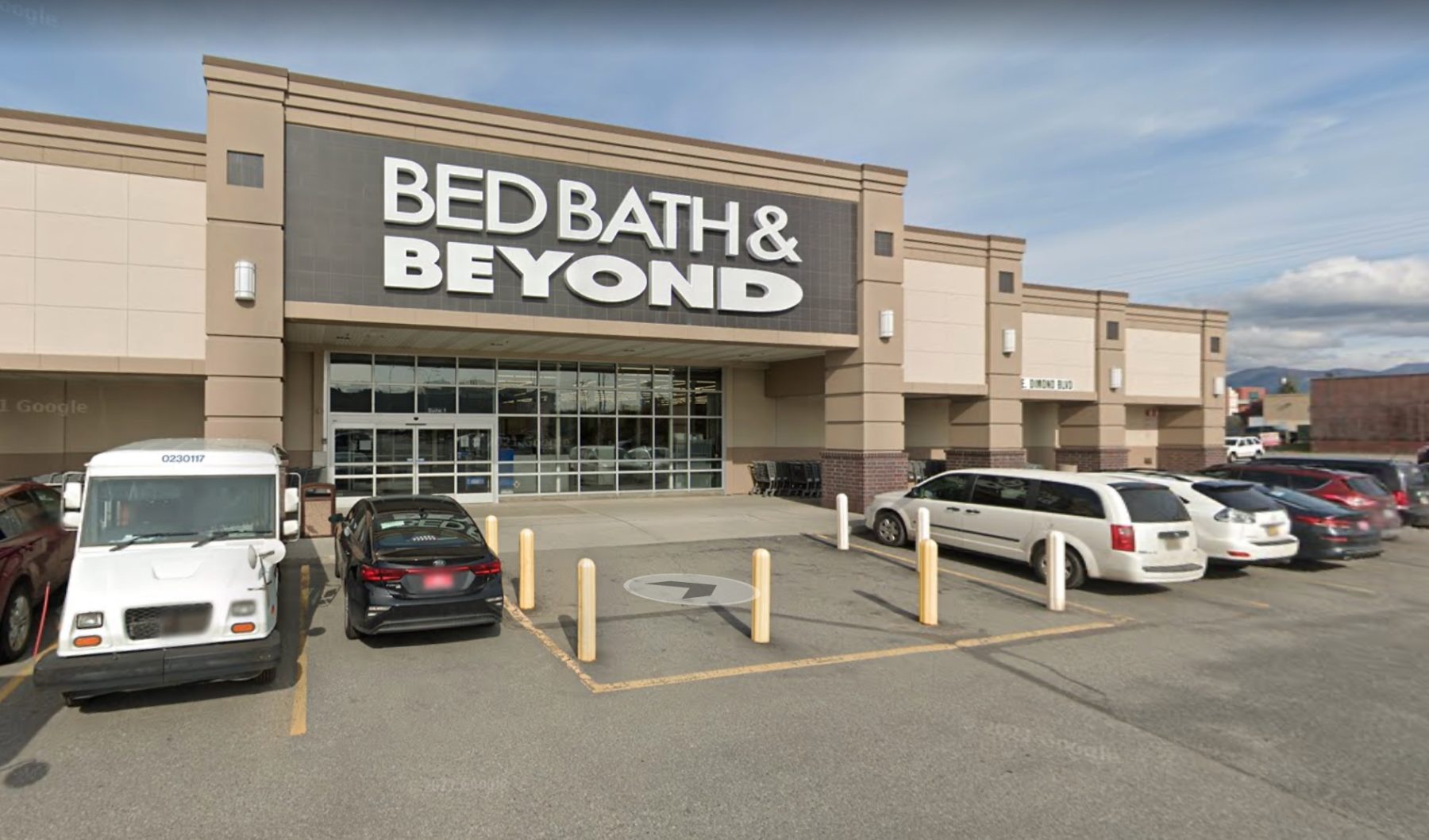
Alaska’s one Bed Bath & Beyond store, located on Dimond Blvd. in Anchorage, will be among the 360 stores that are likely to close, although that may not happen for weeks or months.
“While the Company has commenced a liquidation sale, Bed Bath & Beyond Inc. intends to use the Chapter 11 proceedings to conduct a limited sale and marketing process for some or all of its assets. The Company has filed motions with the Court seeking authority to market Bed Bath & Beyond and buybuy BABY as part of an auction pursuant to section 363 of the Bankruptcy Code. Alongside these efforts, the Company is also strategically managing inventory to preserve value. In the event of a successful sale, the Company will pivot away from any store closings needed to implement a transaction. The Company believes this dual-path process will best maximize value,” the company wrote in the statement it released today.