Alaska, Florida, and eleven other states asked the U.S. Supreme Court on Friday, September 11, 2026, to pause a Los Angeles parentage order that would take a baby away from his birthmother— an Alaskan surrogate— and give him to the California couple who had demanded he be aborted at 23-weeks after he was diagnosed with a serious, but treatable heart condition. The birthmother, McKenna West refused to abort Baby Gabriel and instead gave birth to him at a hospital in Texas which specializes in treating infants with Gabriel’s heart condition. The case raises serious questions about state sovereignty, due process rights, and the legitimacy of certain surrogacy contracts that give no consideration to the best interests of the child and treat children like property.
The states argue that their interest in the case concerns whether or not California gets to dictate surrogacy law to other states. According to the brief, “If N.G. and O.A. are right about personal jurisdiction and full faith and credit, then California courts and California law will decide the fate of children born via gestational surrogacy all across the country.” Later in the brief, the states argue, “In addition to being unjust to the children (see infra § I.B), California’s “power grab” demeans other states’ sovereign authority to provide for the welfare of children born within their borders. See Mallory, 600 U.S. at 170 (Barrett, J., dissenting). The United States Constitution doesn’t tolerate such incursions into the sovereignty of co-equal States.”

The 31-page amicus brief in M.W. v. Superior Court of California, County of Los Angeles, N.G., and O.A., No. 26A325, was filed with Circuit Justice Elena Kagan. Florida Solicitor General David M.S. Dewhirst is counsel of record. Alaska Acting Attorney General Cori Mills and Acting Solicitor General Jessica M. Alloway signed for Alaska. Attorneys general from Alabama, Arkansas, Idaho, Indiana, Kansas, Louisiana, Missouri, Montana, Nebraska, South Carolina, and Utah joined.
The dispute
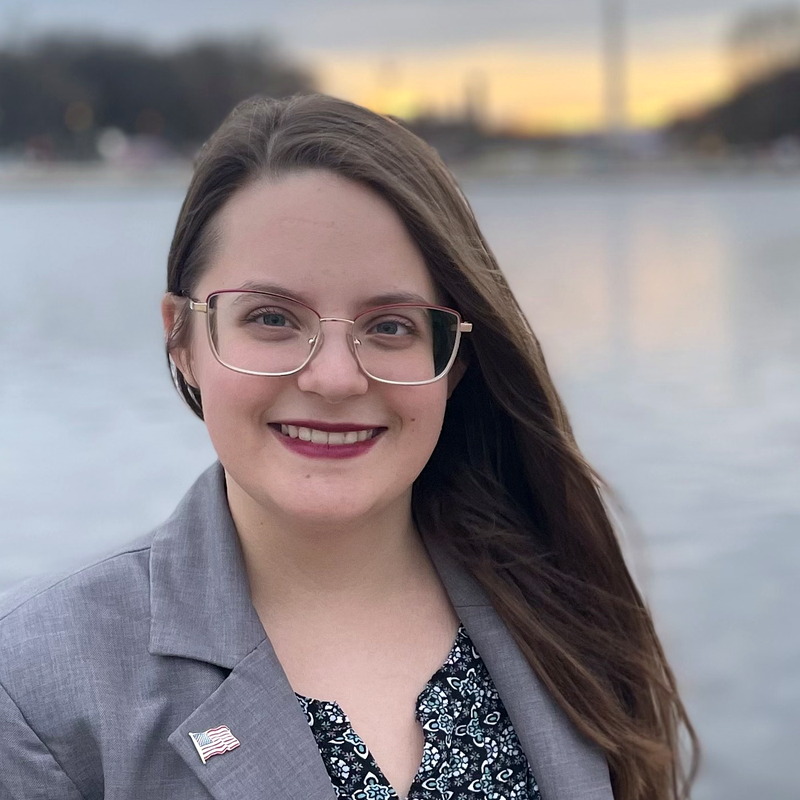
The applicant is McKenna West, an Anchorage cardiac nurse and gestational surrogate who signed a contract with Nausheen Gilkar and Omar Ahmed of Los Angeles.
A 20-week anatomy scan found hypoplastic left heart syndrome (HLHS), a severe but treatable congenital defect in which the left side of the heart is underdeveloped. Alaska hospitals are not equipped to treat HLHS at birth. Gilkar and Ahmed tried to force West to have an abortion. West refused and relocated to Dallas to deliver at a hospital that could provide care for the infant. Gilkar and Ahmed then tried to force McKenna to give birth in California instead rather than at her hospital of choice. Texas Attorney General Paxton stepped in to protect McKenna’s right to decide where she would give birth and what medical team would assist her in giving birth.
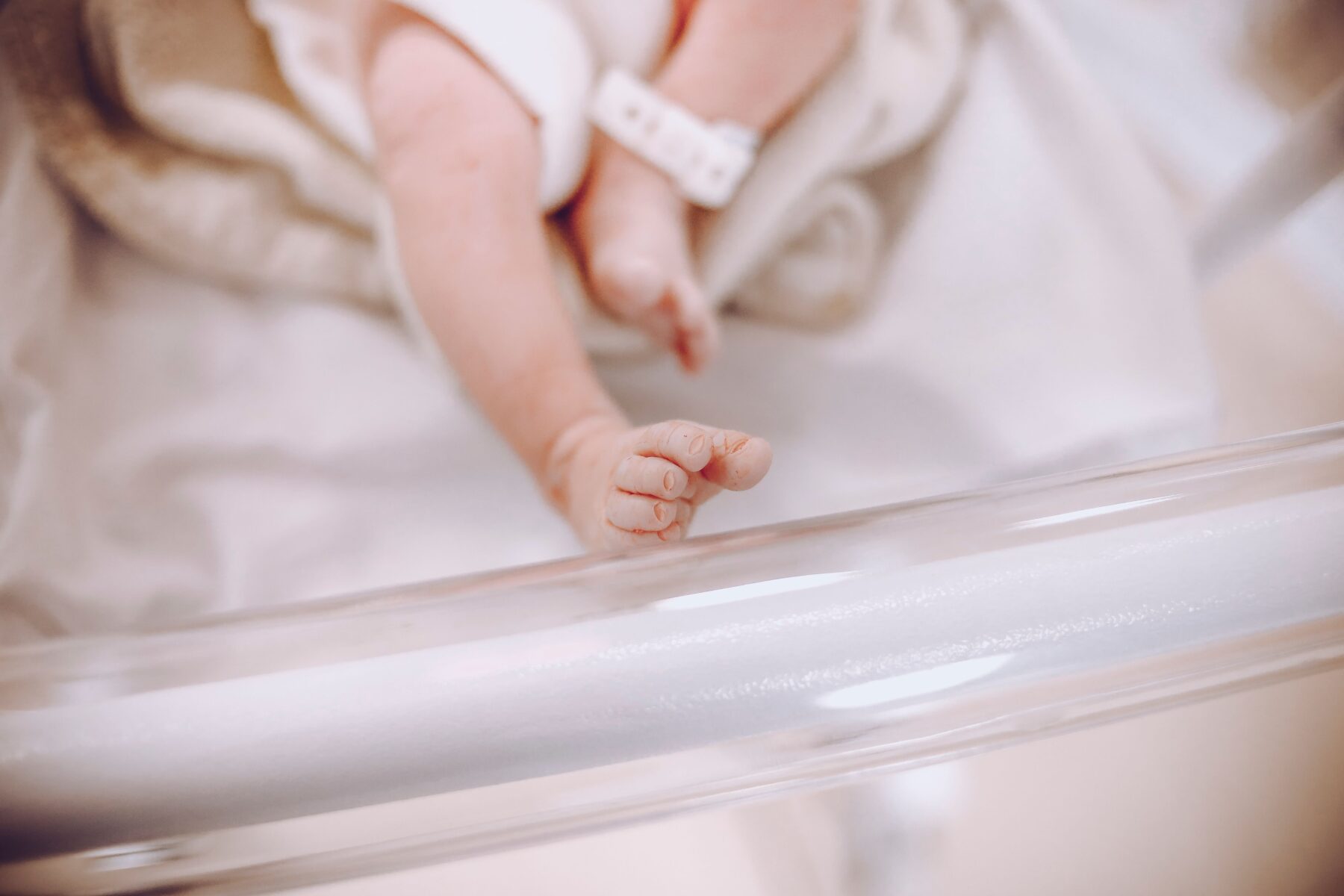
The boy was born August 12, 2026. West calls him Gabriel; the California couple calls him Rumi. Guardian ad litem Susan Duesler assumed responsibility for the child until further court proceedings. He underwent the first round of surgeries on August 17 and survived. West’s stay application and the states’ brief both say the couple have not committed to continued life-saving care. The amicus brief states that, without a stay, the infant “will be discharged from the hospital and handed over to N.G. and O.A. in the coming week.”
How the case reached Kagan
Instead of litigating under the contract’s Alaska forum clause, Gilkar and Ahmed filed a parentage petition in Los Angeles Superior Court. The states’ brief says they “never effectuated service.” West appeared “solely to contest jurisdiction and forum.” Even though California Code of Civil Procedure § 418.11 provides that a special appearance for that purpose is not consent to jurisdiction, the Superior Court treated the appearance as a general appearance. California’s appellate courts summarily affirmed.
After the birth, a Dallas judge gave full faith and credit to the California parentage judgment and dismissed West with prejudice. West, represented by Alliance Defending Freedom and First & Fourteenth PLLC, filed the emergency stay application on September 9. Kagan has ordered a response by 4 p.m. EDT on September 18.
What the states argue
Due process and sovereignty. The brief opens with the question it wants answered: whether a state court may treat a limited appearance to contest personal jurisdiction as consent. “Of course not,” it says. Even if West had consented, the states argue, adult consent alone does not create minimum contacts between California and a child who was never in California and who was gestated in Alaska and born in Texas. They cite Pennoyer v. Neff, Hanson v. Denckla, World-Wide Volkswagen, Bristol-Myers Squibb, and last year’s Fuld v. Palestine Liberation Organization for the dual functions of personal-jurisdiction limits: fairness to parties and respect for coequal state sovereignty.
Full faith and credit and the PKPA. The states say the California order is a “custody determination” under the Parental Kidnapping Prevention Act, 28 U.S.C. § 1738A. An unborn child has no “home state.” Baby G. was not present in California when the petition was filed. Alaska, they argue, had the significant connection: gestation, prenatal care, and the birthmother’s residence. Because the issuing court lacked PKPA jurisdiction, sister states are not required to enforce the order.
Equal protection. California generally requires a best-interests inquiry when determining parental rights but withholds that inquiry from children born under gestational-surrogacy contracts. Citing Weber v. Aetna, Levy v. Louisiana, Trimble v. Gordon, and Clark v. Jeter, the states contend that it is illegal for California to treat children differently because of the circumstances of their birth.
Thirteenth Amendment. The brief argues that government enforcement of a pre-birth contract that transfers a child for consideration, without a best-interests hearing, treats the child as the object of a property right. It does not ask the Court to decide that question now, but it flags the issue as the next collision if California decrees are given nationwide effect.
The Amicus brief also contrasts Florida Statute § 742.15 — which limits gestational surrogacy to a married man and woman, requires infertility or medical need, a genetic link, and bars intended parents from designated “foreign countries of concern” — with California Family Code § 7960, which the states describe as allowing a single, biologically unrelated adult to obtain a child by contract “from any country, for any reason, and with no inquiry into the child’s welfare.”
What the brief does not do
The states say they are not asking the Court to invalidate California’s surrogacy statute or to resolve the Thirteenth Amendment or equal-protection theories in this application. Their stated interest is that California courts not “export” parentage and custody decrees for children with no connection to California, thereby displacing other states’ regulation of surrogacy and child welfare.
Justice Kagan has not ruled. Respondents’ opposition is due September 18. The infant remains in a Texas hospital pending that decision and any further orders.