
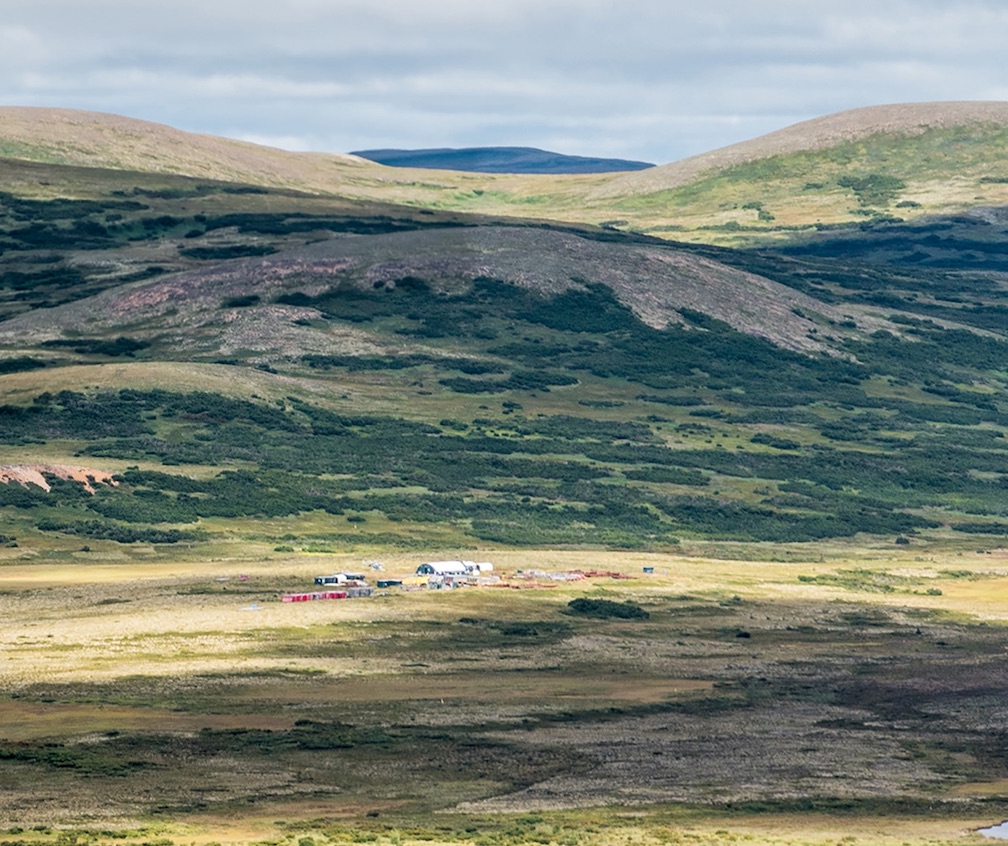
Alaska Attorney General Treg Taylor filed a brief with the U.S. Supreme Court challenging the U.S. Environmental Protection Agency’s authority over a sizable piece of Alaskan land in Western Alaska — land that contains the Pebble deposit.
The state contends that the EPA’s restrictions effectively converted 309 square miles of state property into a national park without the state’s consent, an act which it describes as “confiscating State property.”
In January 2023, the EPA issued a final determination, commonly known as a 404(c) veto, under Section 404 of the Clean Water Act, prohibiting any future permits for mining operations in a specific region surrounding the Pebble deposit in Southwest Alaska.
The veto was targeted at not only the proposed Pebble Mine under a 2020 mining plan, but any future mining endeavors within the demarcated area. This act has curtailed Alaska’s ability to govern its natural resources, leading to the current legal contention.
“An original action, where a case is heard directly by the Supreme Court instead of first progressing through the lower courts, is an extraordinary ask, but it’s appropriate given the extraordinary decision being challenged,” explained Attorney General Taylor.
The brief filed emphasizes Alaska’s unique dependence on its lands for its economic health. It also points out the state’s constitutional obligation to ensure the maximum benefit from its natural resources for its people.
Alaska Gov. Mike Dunleavy expressed his dissatisfaction with the decision, highlighting the crucial role of Alaskan natural resources in supporting the state’s population. He criticized the federal authorities in Washington D.C., claiming they were stifling open discussion regarding the matter.
The concern over EPA’s authority isn’t confined to the mining industry. Attorney General Taylor warned that if the EPA can bypass state and federal permitting processes using vague terms and subjective standards, it could potentially obstruct even smaller projects, such as family housing.
Commissioners of the Alaska Department of Environmental Conservation, Alaska Department of Fish and Game, and the Alaska Department of Natural Resources also voiced their grievances. They argue that their established processes were not respected by the EPA and that the agency’s actions disregard Alaska’s entitlement to manage its own resources under the cooperative federalism framework of the Clean Water Act.
Alaska is now seeking a declaration from the Supreme Court that the EPA’s veto is unlawful and is calling for an order to set it aside and enjoin its enforcement.


