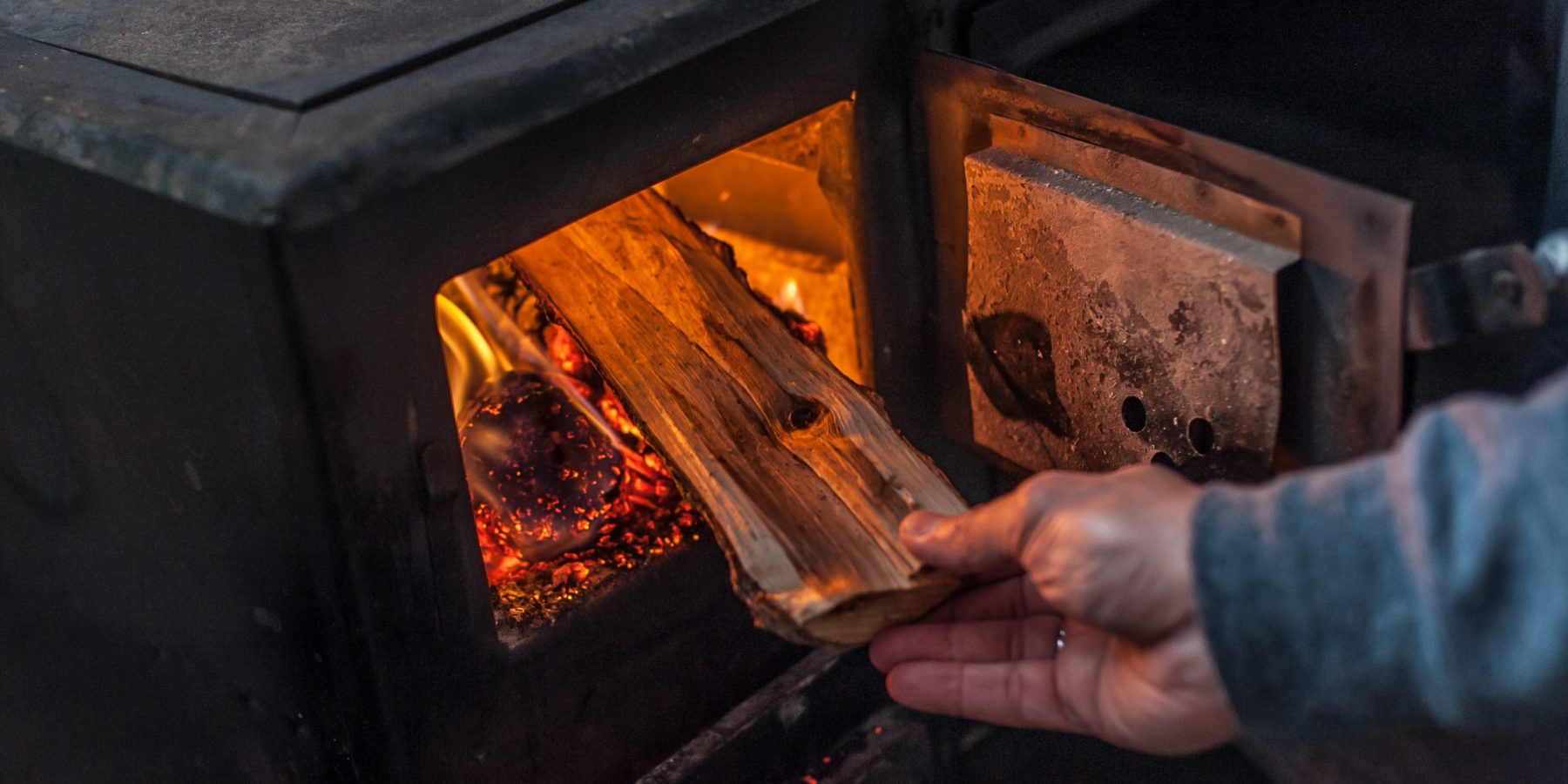
The State of Alaska and 10 other states and the Puget Sound Clean Air Agency on Friday delivered a notice of intent to sue the U.S. Environmental Protection Agency because of its failure to enforce wood stove emission standards.
The federal agency is, through its own reckless actions, creating a danger to communities heavily reliant on wood for warmth, the states argue. They want the federal government to live up to the standards it sets for communities.
The communities of Fairbanks and North Pole experience some of the coldest winters in the United States. Many residents heavily depend on wood stoves to keep their homes warm. Atmospheric inversions in the winter cause smoke to settle and the air quality to become severe at times.
The EPA programs that try to get people to trade in older stoves and other wood-burning appliances haven’t necessarily improved air quality, the states argue, because the new stoves don’t meet EPA standards either. Thus, states wonder what the point is in changing out old stoves for new ones.
“If newer wood heaters do not meet cleaner standards, then programs to change out old wood heaters may provide little health benefits at significant public cost,” the states said.
The notice of intent warns the EPA to either address the issues with its nonsensical wood stove certification program or face litigation.
Alaska Attorney General Treg Taylor highlighted the need to protect people in the Interior.
“On the one hand, the EPA is threatening to disapprove the State’s air quality plan for Fairbanks, yet on the other, EPA ignores its own rules that directly impact air emissions by wood stoves,” Taylor said.
The EPA’s own Office of Inspector General previously released a report that exposed systemic failures in the agency’s administration of its wood stove rules.
“The State’s plan, which the EPA proposes to disapprove, incorporates numerous efforts to decrease the impact of wood smoke on air quality,” explained Department of Environmental Conservation Commissioner Jason Brune.
He criticized the EPA’s obsession with elements of the State Implementation Plan that the federal government wants changed, but in such a way that it would offer minimal environmental benefit or impose excessive financial burdens on utility ratepayers. Brune sees the lawsuit as a means for Alaska to ensure that the EPA adheres to the same standards it expects from the state.
The University of Alaska Fairbanks has been conducting a study of Fairbanks’ winter air over the past four years. The study found that during inversions, smoke is trapped at an altitude of 100 feet. When the inversions occur, an air alert is called, and people living in the “non-attainment area” who do not have a “No Other Adequate Source of Heat (NOASH)” permit must stop using wood-burning or pellet stoves and shift to their other forms of heat that emit less particulates than wood heat.
“These alerts, along with burning dry wood, replacement with better stoves or conversion to less-polluting oil or gas, are probably the reason we have cut peak pollution PM2.5 concentrations in half in the last decade,” the university study reported.
Read more about the Fairbanks Winter Air Study at UAF at this link.