To date, more than 88,658 Alaskans have had a bout with the Covid-19 virus that originated in Wuhan, China in 2019 and has spread to every corner of the world. That does not count the perhaps-thousands of Alaskans who had the virus but never reported to a doctor, due to having mild symptoms or no symptoms at all.
Out of those 88,658 who were known to become infected, 2,059 ended up in the hospital, which is about 2.3 percent of the cases.
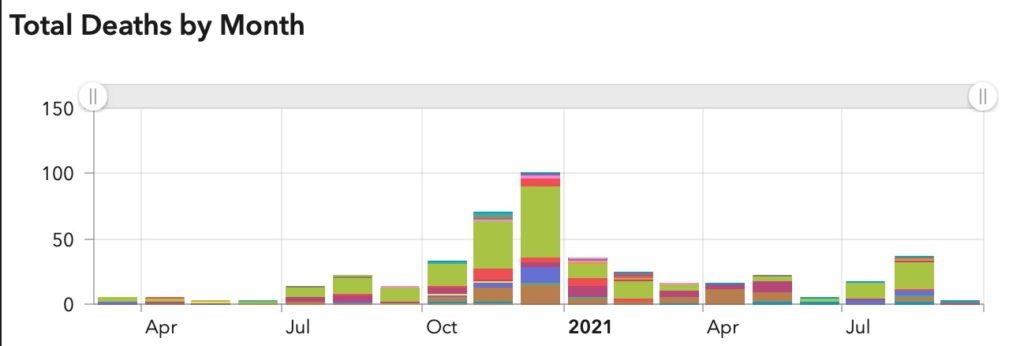
Covid has been the attributed cause of 437 deaths in Alaska, just under 1/2 percent of all known cases.
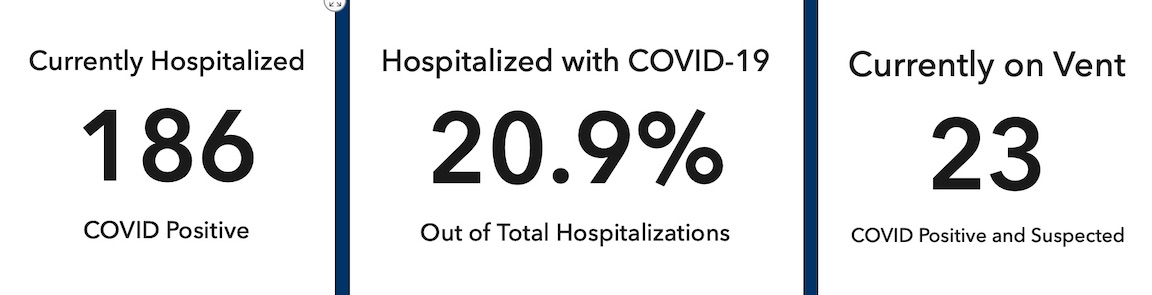
But, if you end up in the hospital with Covid, your chances of dying are over 21 percent, if past months are any indication. Over 20 percent of people in Alaska hospitals right now are needing treatment due to the Wuhan virus. Thus, a good reason to avoid the bug, if you can.

That may not be entirely possible. The World Health Organization says the virus is here to stay and, like the flu, will continue to mutate.
“I think this virus is here to stay with us and it will evolve like influenza pandemic viruses, it will evolve to become one of the other viruses that affects us,” said Dr. Mike Ryan, executive director of the World Health Organization’s Health Emergencies Program, during a Tuesday press briefing.
The number of people vaccinated against the virus in Alaska stands at 337,931, and when you add the vaccinated to that total, presuming there’s not a lot of overlap, well over half of the population, or 426,589 Alaskans, have either had the disease or received a shot to prevent it. That’s over 58 percent of Alaskans having some degree of protection.
And yet the numbers of those infected keep climbing, mostly among the 42 percent of Alaskans without protection, and with a smaller, unknown number of “breakthrough” cases, or cases that defied the vaccine.
With 432 new cases on Sept. 6, the virus has hit 17 percent more this week than it did last week. This would indicate that while more people have either medical or natural immunity, those not immune are being hit especially hard. However, the death rate is not climbing as it did during the first year of the pandemic, possibly because many elderly and medically fragile Alaskans have had the vaccine and have adjusted their lifestyles to limit their contact with those who might infect them.