
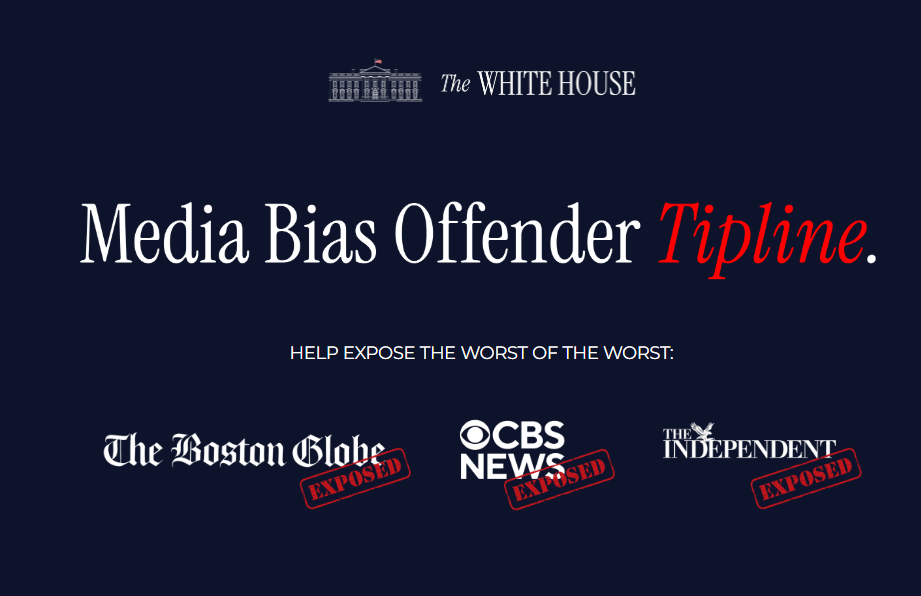
In a bold move to challenge what it calls pervasive misinformation in mainstream media, the White House under President Donald Trump has launched a new online portal dedicated to tracking and exposing alleged biases, lies, and distortions in news coverage. The initiative, announced in late November 2025, features a “Media Offenders” section on the official White House website, highlighting outlets like The Washington Post, MSNBC, and CNN as repeat offenders in categories such as “left-wing lunacy” and “omission of context.” The portal includes interactive leaderboards ranking networks by repeated inaccuracies and a “Hall of Shame” for persistent violators, aiming to provide Americans with “unfiltered truth” amid ongoing tensions between the administration and journalists.
The launch coincides with a call to action for the public to submit tips on biased or false reporting. White House officials describe the effort as a “service to truth and transparency,” emphasizing that “the days of the Fake News Media controlling the narrative with lies, fake anonymous sources, and willful bias are over.” Valid submissions will update the database weekly, potentially amplifying public scrutiny of media practices. Supporters hail it as a necessary counter to perceived liberal bias, with the administration tying it to recent legal victories, including multimillion-dollar settlements from ABC and Paramount over alleged misrepresentations.
Critics, however, view the portal as an escalation in Trump’s war on the press, warning it could intimidate journalists and undermine First Amendment protections. Press freedom advocates argue it blurs the line between accountability and government overreach.
The rollout follows a series of personal attacks by Trump on reporters, including derogatory remarks toward female journalists from major networks. As of December 3, 2025, the portal has drawn mixed reactions on social media, with some users praising its transparency while others decry it as authoritarian. With trust in media at historic lows, the initiative tests the boundaries of executive influence over public discourse, potentially setting a precedent for future administrations.


