
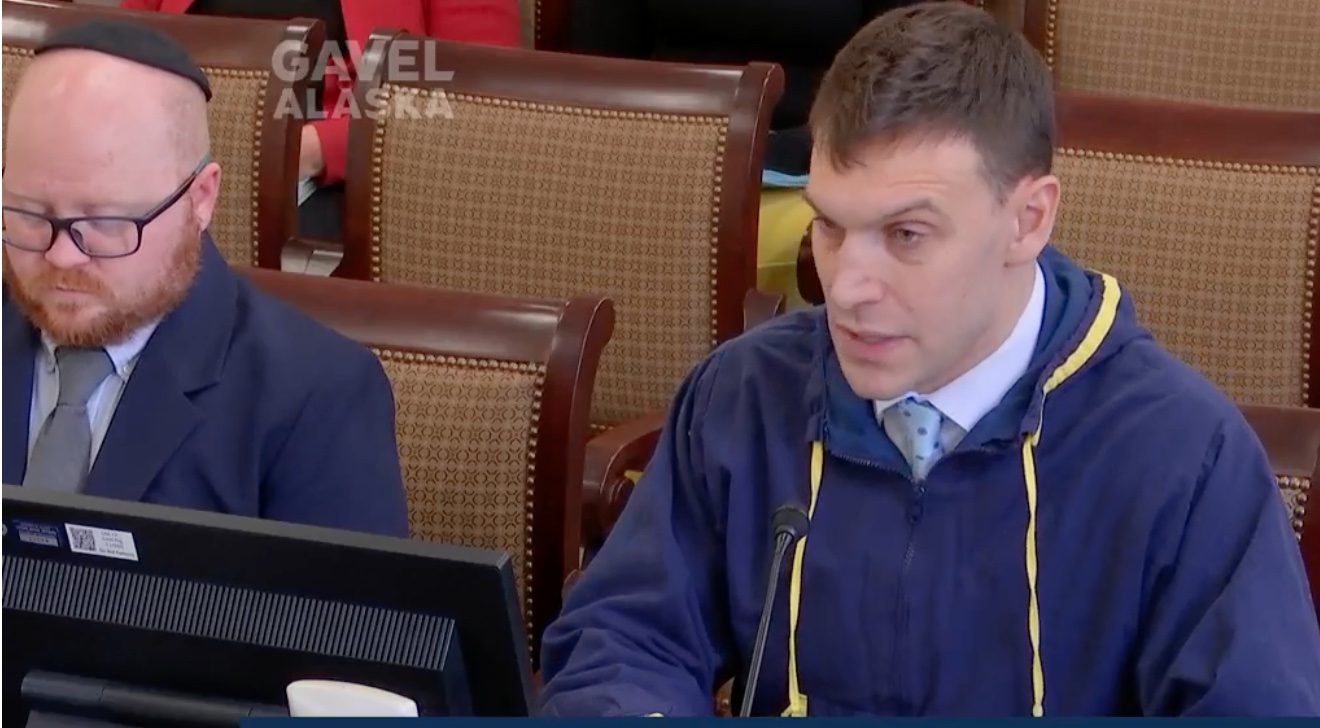
Earlier this year, Alaska Sen. Forrest Dunbar, of Anchorage, said that the Federal Food and Drug Administration was on the cusp of approving a psychedelic known as Ecstasy for psychiatric uses. He and Rep. Jennie Armstrong, both hardline Democrats, pushed legislation to get Alaska ready for controlled use of the drug for conditions such as post traumatic stress disorder. They urgently wanted a psychedelic drug task to develop state regulations in anticipation of the drug being legalized.
Dunbar enthusiastically pushed his legislation, SB 166, which never even made it to the Senate floor. The House version passed.
But now, a new report shows that the very studies used to decide whether the U.S. should authorize Ecstasy for PTSD missed the serious side effects of the drug, including suicidal thoughts, because the subjects in the study were discouraged from reporting adverse side effects. The studies were marked by bias.
Three individuals who were subjects in the studies told The Wall Street Journal that thoughts of suicide increased during or after using Ecstasy, “but their downward slides weren’t captured in trial data and therefore not reflected in the final results.
The Food and Drug Administration is expected this month to decide whether to approve the drug, also known as MDMA or Molly, for treatment of PTSD. The drug became a popular street drug in the 1970s and is used at “rave” dance parties. It acts as both a stimulant and psychedelic, producing an energizing effect, distortions in time and perception, loosening of inhibitions, and enhanced enjoyment of tactile experiences, according to the Drug Enforcement Agency. People who use the drug are temporarily stripped of their rational judgment.
The FDA’s Psychopharmacologic Drugs Advisory Committee earlier this year voted against approving the drug for the treatment of post traumatic stress disorder.
The vote, 10-1, showed that the experts feel that the drug made by Lykos Therapeutics is not safe, and its possible benefits don’t outweigh its risks. On a vote of 9-2, the committee also said that MDMA is not effective for treating PTSD, according to the research.
“I’m not convinced at all that this drug is effective based on the data I saw,” commented Rajesh Narendran, a psychiatry professor at the University of Pittsburgh who is the committee’s chairman.
Now, even the data is in question.


