Congressman Don Young showed a tender side of himself on Thursday that sometimes Alaskans don’t see beneath his frontiersman exterior.
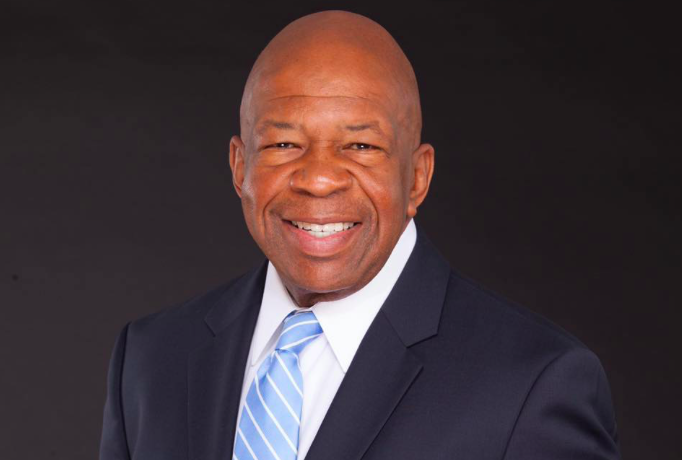
Young wrote on Facebook about his colleague, Congressman Elijah Cummings, who died at the age of 68:
“Early this morning we lost my dear friend, Congressman Elijah Cummings. Elijah was a good man, a strong advocate for his constituents, and he loved this institution and this country. Today the halls of Congress are emptier without him. May God bless him and his family,” Young wrote.
Young is very popular among members of the Congressional Black Caucus and has cordial relationships across the aisle with Democrats, even with those who have voted against Alaska’s interests, as Cummings has time and again.
Cummings, from Baltimore, Maryland, and Young, from Fort Yukon, Alaska, couldn’t be more different: Young is pro-Second Amendment, while Cummings was anti-gun. Young made sure that opening the Arctic National Wildlife Refuge passed the House of Representatives several times (before also passing the Senate and being signed by a president). But Cummings voted against opening ANWR. Cummings also voted against the authorization of the Magnuson-Stevens Act.

But there were things they agreed on in the 23 years that they served together in Congress.
In January, Young and Cummings introduced the Federal Labor-Management Partnerships Act — H.R. 1316 — to re-establish a National Council on Federal Labor-Management Relations. The council has been on-again, off-again through the past few presidents. When active, it allows federal officials and labor officials to get together and talk through labor issues on a regular basis. And in April, when Cummings introduced H.R.2004, to ensure federal benefits for federal workers during shutdowns, Young signed on as a cosponsor.
Several commenters on Facebook disapproved of Young’s kind words and said Cummings didn’t deserve such praise because he fought for everything that seems counter to most Alaskans’ interests.
Cummings was born into a family of sharecroppers and became a civil rights leader, starting his fight for civil rights at age 11, when he was beat up by a mob of whites for trying to integrate a public swimming pool. He was placed into special education classes for slow learners, but credited four white teachers for pulling him out of those classes and convincing him he could learn. He went on to graduate from Howard University, and from the University of Maryland School of Law. He passed the Maryland Bar exam and practiced law for 19 years before running first for State House, and later for Congress.
Most of his constituents in Maryland’s 7th District are African-American and he has hero status in his district.
At the time of his death, he chaired one of the committees pursuing impeachment of President Donald Trump, the House Oversight and Reform Committee. He took over the committee in January; the previous chair was Republican Trey Gowdy. That committee will now be chaired by Democrat Rep. Carolyn Maloney, of New York.
As for what happens next in the mourning of Cummings, flags have been lowered and because he died in office, his body will likely rest in state in the Capitol Rotunda, an honor reserved for some of the nation’s most eminent citizens.