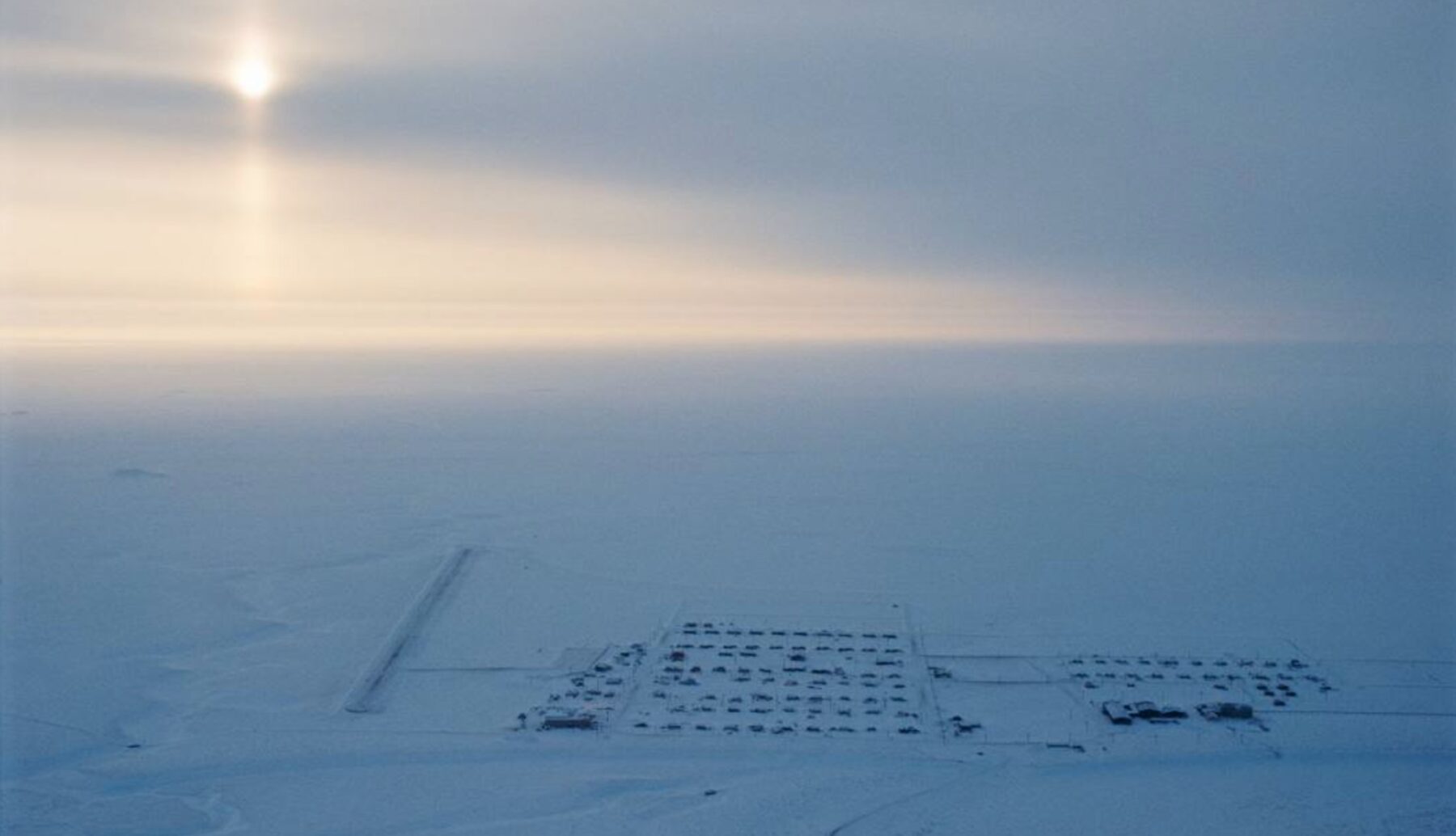
American taxpayers will fork over between $25 million to $40 million to connect a tiny North Slope village with high-speed internet.
The village of Nuiqsut, in the middle of the North Slope oil patch, is home to about 520 people. It has 125 households, which means the total cost of high-speed internet per household is at least $200,000.
Rep. Mary Peltola lauded the pork project for Nuiqsut. She says, however, that it is a $40 million grant, although she does not say where the other $15 million is coming from. Some industry sources and the USDA website, it’s clear Peltola is not reporting the grant accurately.
“These projects put money into the pockets of Alaskan workers and make rural life more feasible. Excited to see more grants like it!” Peltola wrote.
At $40 million, it would bring the cost up to $320,000 per household, compliments of American taxpayers from the West Coast to the East Coast who will be footing the bill in years ahead.
Many of the people who live in Nuiqsut do not reside there year-round, but leave for Fairbanks, Anchorage, or the Lower 48 at various times during the year. The Department of Agriculture describes the village, which is incorporated as a municipality, as “socially vulnerable.”
It’s not that the people in Nuiqsut are poor. The poverty rate is low — under 7% — because of the oil money that comes into the North Slope Borough and its communities through royalties. According to the U.S. Census, 12.4% of Americans now live in poverty, an increase from 7.4% in 2021. But Nuiqsut’s poverty rate is just 6.68%. For many who live there, oil dividends are the primary source of income.
The Nuiqsut Trapper School, with an enrollment of 125, has a 5% proficiency rate for math and English, although English is the primary language spoken in home and business in the town. More than 50% of the students are chronically absent from school. The Alaska Department of Education says that over 90% of the students are from low-income families, although that doesn’t match up with the community’s enviably low poverty rate. The average income in the town is over $105,000 per year.
The fiber optic project being paid for involves installing fiber optic cable, network infrastructure upgrades, and the linking of broadband services to homes and businesses. The fiber would go to the Quintillion undersea cable that stretches around Alaska. That cable broke this summer and the entire Arctic lacked internet for months.
Many of the internet users in the Arctic switched to Starlink during the Quintillion outages, and many of those customers have not gone back to the fiber optic broadband. There’s been no reported survey of households that are committed to hook up to the fiber.
Starlink satellite internet is already available in Nuiqsut, thanks to Elon Musk. Starlink plans, which require an upfront investment in a $599 satellite dish, would cost Nuiqsut residents $90 a month.
The fiber hookups being paid for by taxpayers are priced higher for lower speeds than Starlink has available, and at four times the cost. But the ASTAC internet provider is not even trying to compete with Starlink because the money is coming to the company in corporate welfare, no matter what.
Nuiqsut’s economy is mainly government-based employment, with more than 54% of working residents having employment in either the school district or local government or Native entities. There is also subsistence hunting, fishing, and whaling; the land provides caribou, seals, moose, waterfowl, whitefish, Arctic char, grayling, and bowhead whales at various times of year.
Nuiqsut, which was established in the 1970s after 27 Utqiagvik families moved overland to the area to be closer to Prudhoe Bay oil development, and the Arctic Slope Regional Corporation funded the construction of the grid-like village, is served by scheduled and chartered flights with Wright Air Service from Utqiagvik. Freight arrives year-round by air. It is also the northernmost town in America accessible by road, having access to the Dalton Highway four months of the year.
Across the nation, similar grants are being announced for remote communities that don’t have strong internet speeds. The entire list is at this link.