
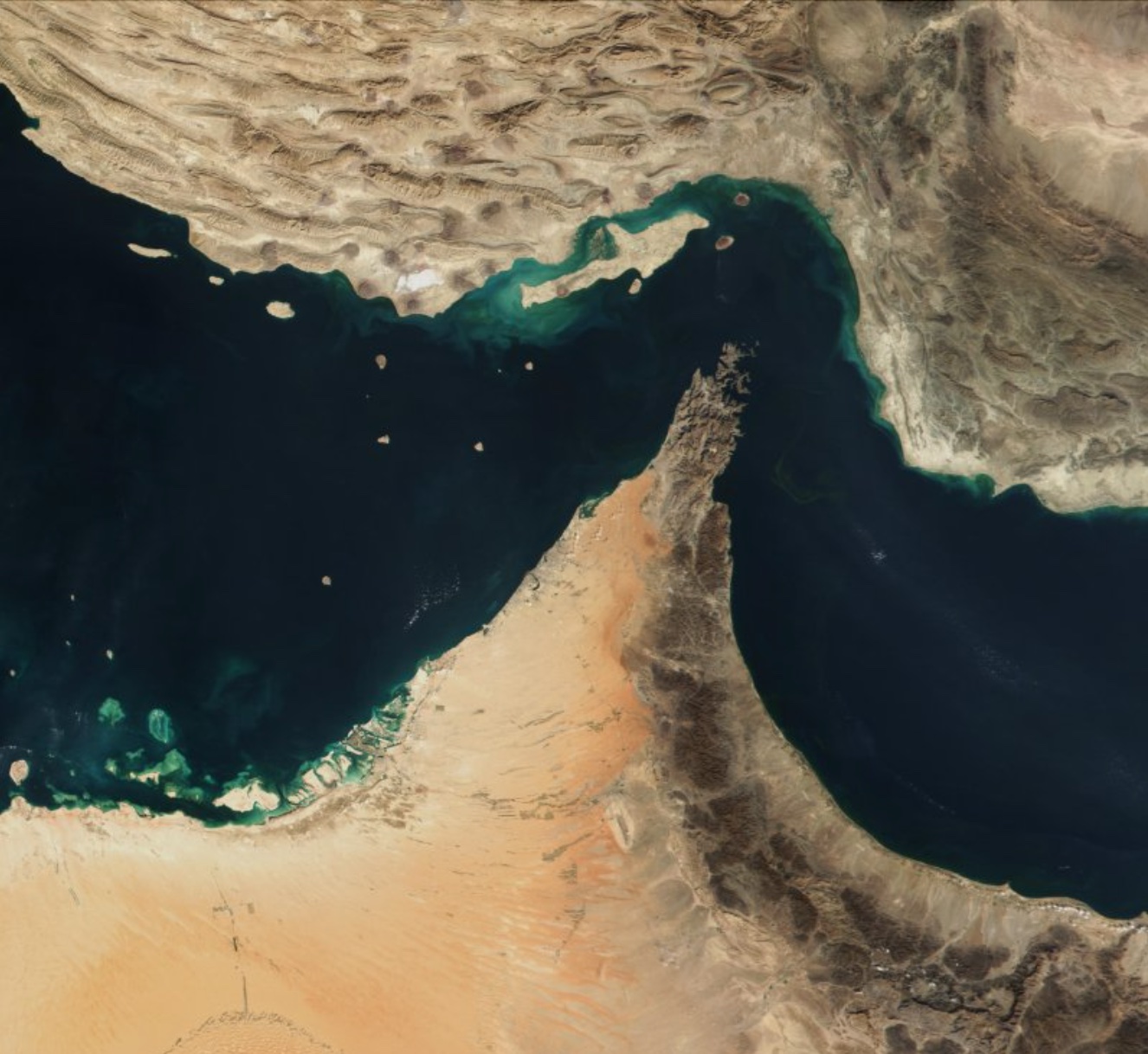
Global oil future trading swung sharply on Monday following US airstrikes targeting nuclear facilities in Iran. While fears of a broader conflict initially had pushed crude prices to five-month highs, markets ultimately cooled as traders weighed the risks of sustained disruption to global oil flows and the likelihood that Iran will shut down all access through the Strait of Hormuz.
Brent crude futures settled at $76.31 per barrel, down 70 cents or 0.9% on the day. Brent tracks lower than Alaska North Slope crude, which has pricing that lags by a couple of days. US West Texas Intermediate crude also slipped, closing at $73.09 per barrel, a drop of 76 cents or 1%. Both benchmarks had surged in early trading, with Brent reaching as high as $81.40 and WTI climbing to $78.40, showing market anxieties over regional stability and energy security.
The parliament in Iran has voted to stop shipments through the Strait of Hormuz. The narrow waterway is a chokepoint for nearly 20% of the world’s oil trade, but only about 5-11% of US oil comes through that waterway.
While no major oil facilities were reported damaged and shipping through the Strait of Hormuz continued uninterrupted as of Monday evening, the oil supply chain in the Mideast remains extremely dynamic.


