
OVER 60? STAY HOME, IF YOU CAN
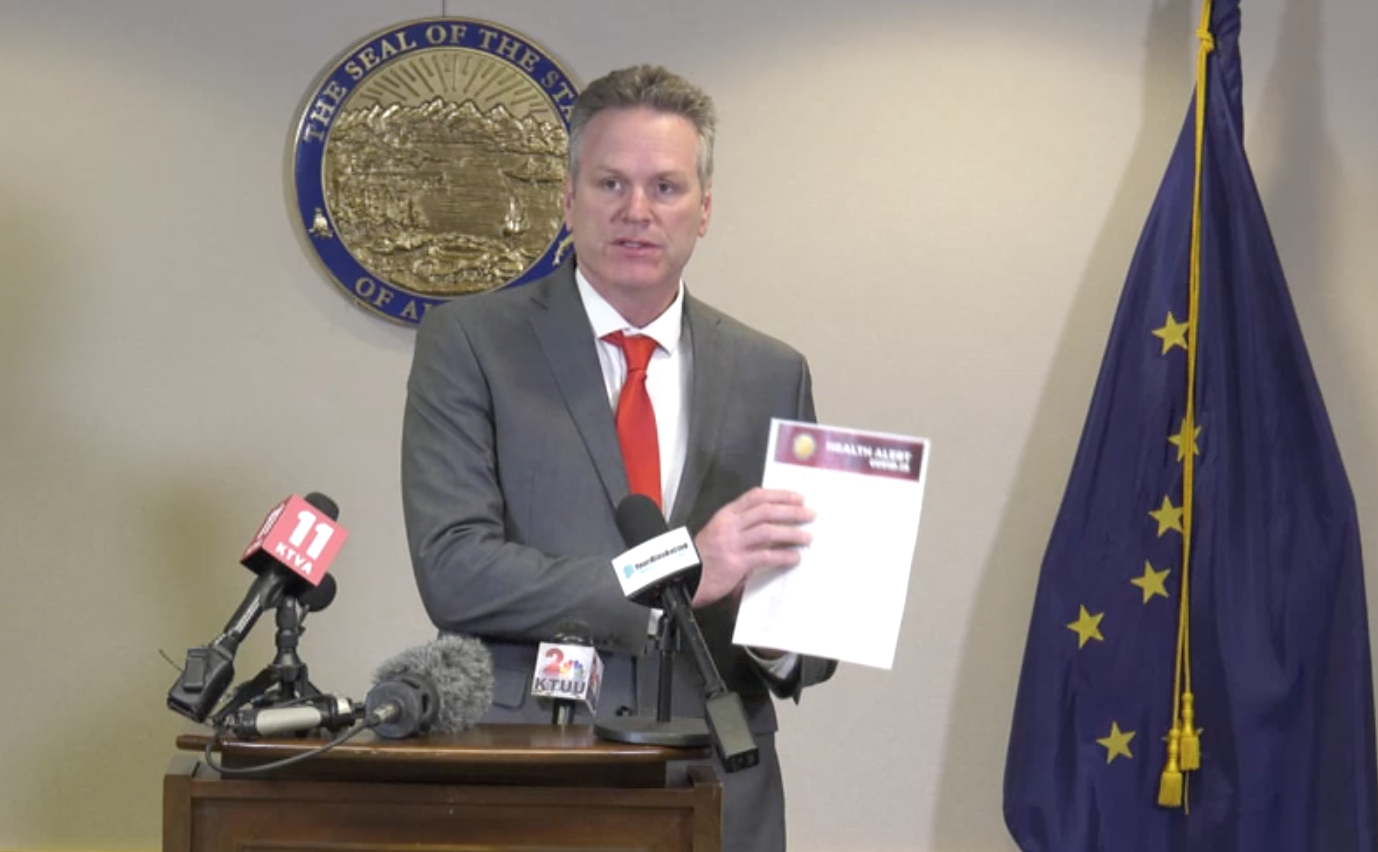
Gov. Mike Dunleavy, Chief Medical Officer Anne Zink, and Alaska Department of Health and Social Service Commissioner Adam Crum announced new recommendations to help prevent or slow the spread of cases of the COVID-19 in Alaska.
The recommendations for medical providers include:
- Providers no longer need to call the Alaska Section of Epidemiology (SOE) to approve testing.
- Providers must fill out a COVID-19 Report Form for each patient regardless of which laboratory is performing testing.
- Updated CDC infection control guidance, available here.
The state also put out a request for information today for housing for COVID-19 patients.
While Alaska currently has no known cases of COVID-19, the disease is spreading rapidly both globally and in the United States.
State officials, working with partners in communities and tribal health groups statewide, have been actively preparing for a positive case and the likelihood of community transmission in Alaska, the Governor’s Office said.
“Information surrounding the Coronavirus Disease is evolving rapidly and we are going to be adjusting our approaches as a state and as individuals. We will be adding more tools to the toolbox to combat this virus and ensure Alaska is prepared,” said Gov. Dunleavy.
“I want Alaskans to know we have been working on our Coronavirus Disease preparedness daily and are learning from other states and countries. The question is, ‘Are we going to be prepared?’ We are going to be prepared as well as, if not more than, any other state,” Dunleavy said.
Today’s recommendations are based on guidance from the CDC and the Alaska DHSS Division of Public Health.
The recommendations also include everyday preventive measures for all Alaskans and new measures for people older than 60, or those with chronic health conditions, such as staying home as much as possible, keeping prescription medicines and groceries on hand and avoiding crowds.
For all Alaskans
- Wash your hands often or use hand sanitizer if soap or water are not available. This means washing before going in and out of rooms or buildings, using restrooms, and before eating.
- Avoid touching your eyes, nose, and face.
- Cover coughs or sneezes.
- Stop shaking hands.
- Regularly clean and disinfect frequently touched surfaces and items.

Recommendations for higher risk Alaskans
People who are over 60, and anyone who has serious chronic health conditions such as heart and lung disease, and diabetes, are at increased risk of developing severe illness and dying from COVID-19. Reduce your exposure:
o Stay home as much as possible. Ask family or friends to bring in items you need.
o Avoid crowds and mass gatherings where exposure risk is greater. o Stay at least six feet away from others who are sick.
o Limit close contact and wash your hands often.
o If you can, telecommute for work.
Watch for symptoms including cough, fever, and shortness of breath.
Have a plan in case you get sick and know how to take care of yourself. This includes having necessary supplies on hand, such as prescription and over-the-counter medications, other medical necessities, groceries, and other household items.
“These voluntary measures may seem sudden and extreme to some Alaskans, but the time to act is now, even before we detect cases in Alaska,” said Dr. Zink. “Alaska is prepared but we are a unique state, with unique circumstances. We are asking for the cooperation of all Alaskans in following these guidelines. Based on what we know from previous epidemics, we know that early invention can help save lives.”
For the latest information on COVID-19, click here.
MEANWHILE, IN WASHINGTON STATE …
Gov. Jay Inslee is expected to issue an order on Wednesday to restrict gatherings of more than 250 people, including sporting events and concerts. No word if the restriction will apply to places of worship.


