
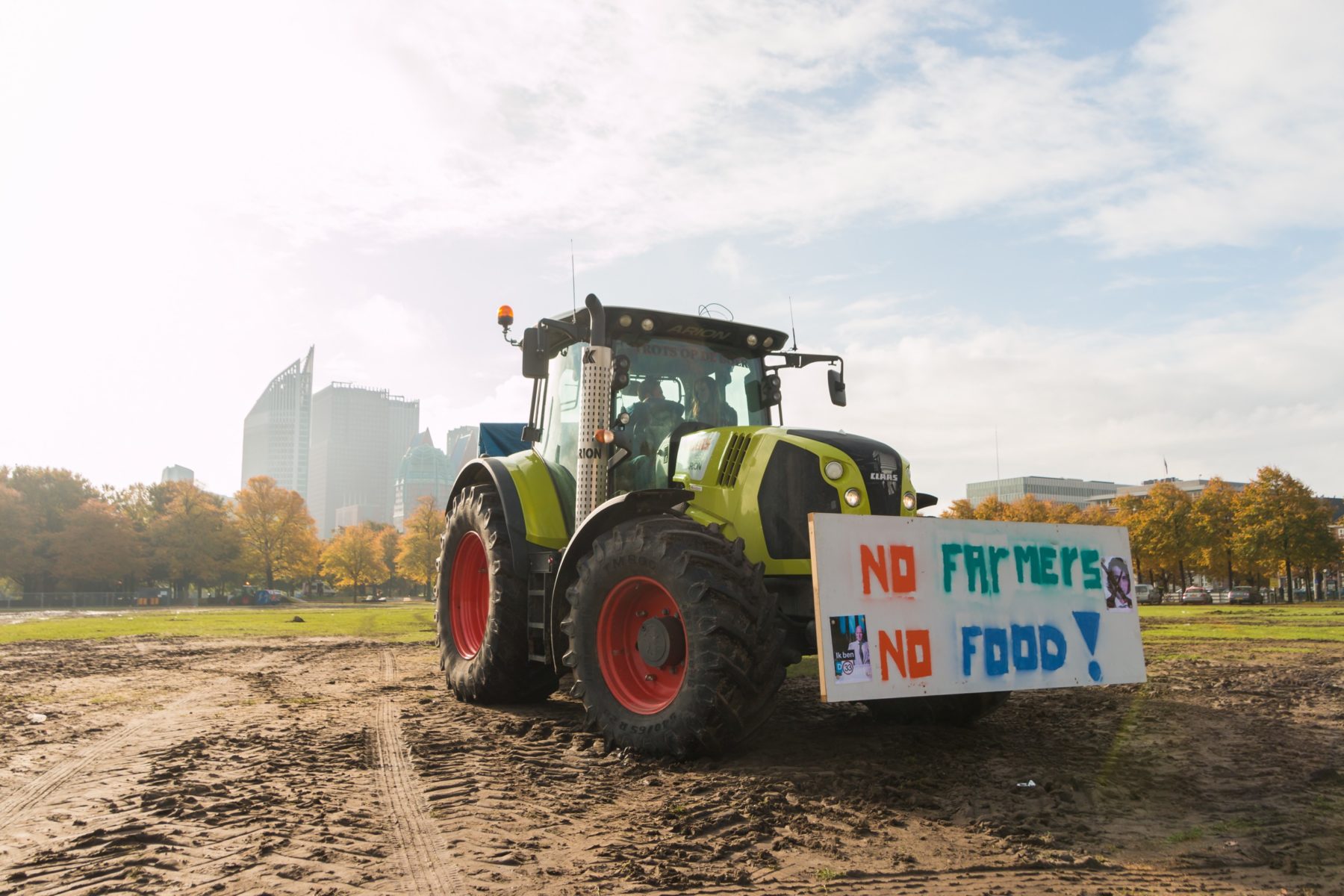
Last October, Dutch farmers protested. They used their tractors to block roads to The Hague after the Netherlands government attempted to curtail the use of nitrogen in agriculture.
The agricultural sector represents less than 5 percent of the small nation’s gross domestic product. The country, at 16,040 square miles, is roughly half the size of Indiana. Farmers represent a tiny minority of voters.
But in a national vote, the farmers have won the day, as the public rebuked Prime Minister Mark Rutte’s attempt to slash nitrogen emissions, which farmers said would make their livelihoods disappear.
Nitrogen is needed for plants to grow. Farmers get better, more predictable yields by adding nitrogen fertilizers to the soil. Too much nitrogen, however, leads to various kinds of pollution of waterways and air.
Farmers associated with the Farmer Citizen Movement party, known in the Netherlands as BoerBurgerBeweging, or BBB, characterized the win as a victory of the common person over the nation’s elite.
The populist BBB party, founded just four years ago, only has about 11,000 actual members. But it has just won a victory over the four-party coalition associated with Rutte, who has made it his mission to cut nitrogen emissions by 50 percent by 2030, in order to fight climate change and to bring the nation in line with the climate change goals of the European Union.
The Netherlands has a population of about 17.2 million and a voting base of over 13.3 million. Voter turnout is typically over 71%.
The farmer party, which focuses on agrarian and rural issues, was founded in October 2019 by Caroline van der Plas, a journalist and former member of the Christian Democratic Appeal party.


