POLICE OFFICERS STILL NOT ON THE LIST
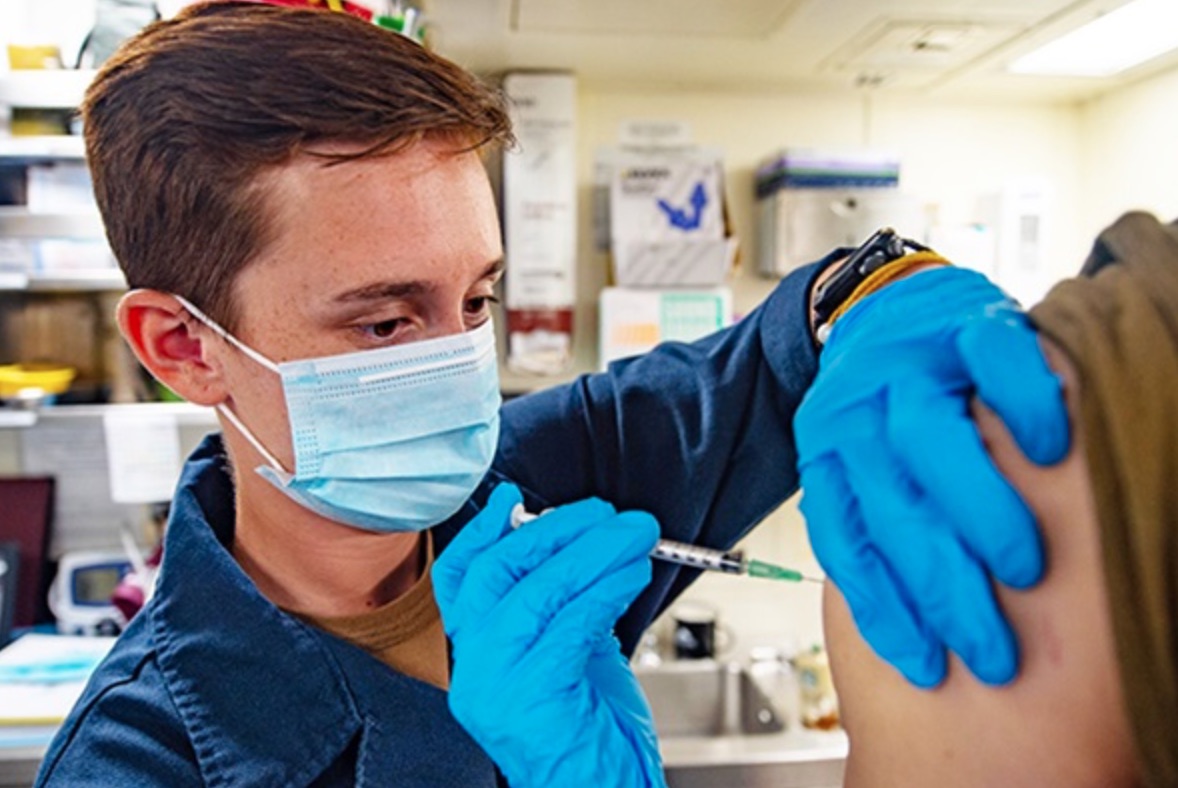
Of the 593,000 adults over the age of 18 in Alaska, 114,117 have already received their first dose of Covid-19 vaccine. That’s a vaccination rate of nearly 20 percent.
Over 48,000 Alaskans have received both the initial vaccine and booster shot, and over 82 percent of residents of congregant care facilities, such as Pioneer Homes, have been vaccinated.
The State of Alaska has been the vanguard in getting vaccines out in an orderly fashion, and now is vaccinating those over 50 years old who have any underlying health condition that puts them at greater risk of complications or death from Covid-19.
Interestingly, all teachers are eligible, but only police officers over 50 are eligible for a vaccine at this time in Alaska. Most other states have prioritized police officers.
Those who are qualified for what is called the Phase 1b Tier 2, high-risk medical conditions include:

- cancer
- chronic kidney disease
- chronic obstructive pulmonary disease (COPD)
- Down Syndrome
- heart conditions, such as heart failure, coronary artery disease, or cardiomyopathies
- immunocompromised state (weakened immune system) from solid organ transplant
- obesity or severe obesity (body mass index [BMI] greater than 30 kg/m2) (see calculator)
- sickle cell disease
- smoking
- type 1 or type 2 diabetes mellitus
- pregnancy
- Frontline essential workers 50 years and above who must work within 6 feet of others
- Education staff, limited to:
- Childcare workers and support staff (e.g. custodial, food service, transportation);
- Pre K–12 grade educators and support staff (e.g. custodial, food service, transportation);
- Indigenous language and culture bearers
- People living or working in congregate settings not covered in Phase 1a, limited to:
- Acute psychiatric facilities;
- Correctional settings, both inmates and officers;
- Group homes for individuals with disabilities or mental and behavioral health conditions;
- Homeless and domestic violence shelters;
- Substance misuse and treatment residential facilities; and
- Transitional living homes
- Pandemic response staff who may come into contact with the SARS-CoV-2 virus during outbreak response activities
The State Health and Social Services Department announced the expansion of eligibility on Wednesday.