Senate Joint Resolution 49, aimed at blocking President Trump’s tariffs, failed to pass in the US Senate on Wednesday after a deadlocked 49-49 vote.
The resolution, led by Oregon Democratic Sen. Ron Wyden and supported by a mostly Democrat group that also included Republicans Rand Paul, Susan Collins, and Lisa Murkowski, sought to terminate the national emergency declaration Trump used to impose 10% reciprocal tariffs on most US trading partners.
The resolution had little chance of advancing in the House due to a new rule protecting Trump’s tariffs.
The White House had warned the senators that Trump would veto the measure, arguing it would undermine national and economic security. The failed vote coincided with new economic data showing a 0.3% decline in US GDP, raising concerns about the tariffs’ economic impact.
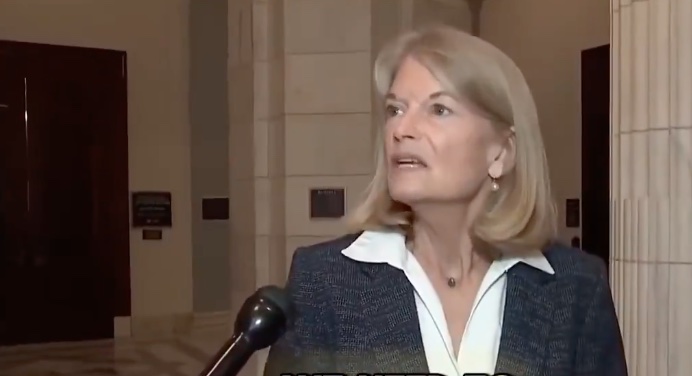
“Today, I voted in support of SJR 49, which would terminate the President’s national emergency declaration regarding our trade deficits with countries around the world. Bilateral trade deficits do not constitute a national emergency, nor do they qualify as an ‘unusual and extraordinary’ circumstance needed to unlock authorities under the International Emergency Economic Powers Act. We have a lot more work to do to reclaim Congress’s constitutional power over tariffs, but this resolution is a step in the right direction,” said Sen. Lisa Murkowski.

The “step in the right direction” failed, however, to must enough votes to make progress. Congress has the constitutional authority over tariffs as found in Article I, Section 8 of the US Constitution, whereby Congress has the power to “lay and collect Taxes, Duties, Imposts and Excises” and to regulate commerce with foreign nations. This includes the authority to impose tariffs, which are, in fact, taxes on imported goods.
But Congress has delegated some of this authority to the president through various laws, such as the Trade Act of 1974 and the Tariff Act of 1930. These laws allow a president to adjust tariffs under specific circumstances, such as national security (e.g., Section 232 of the Trade Expansion Act of 1962) or trade negotiations.
While the president can exercise this delegated authority, Congress retains the ultimate constitutional power to legislate tariffs and can override or modify presidential actions.